¿Cómo Afecta el Clima los Requerimientos Energéticos?
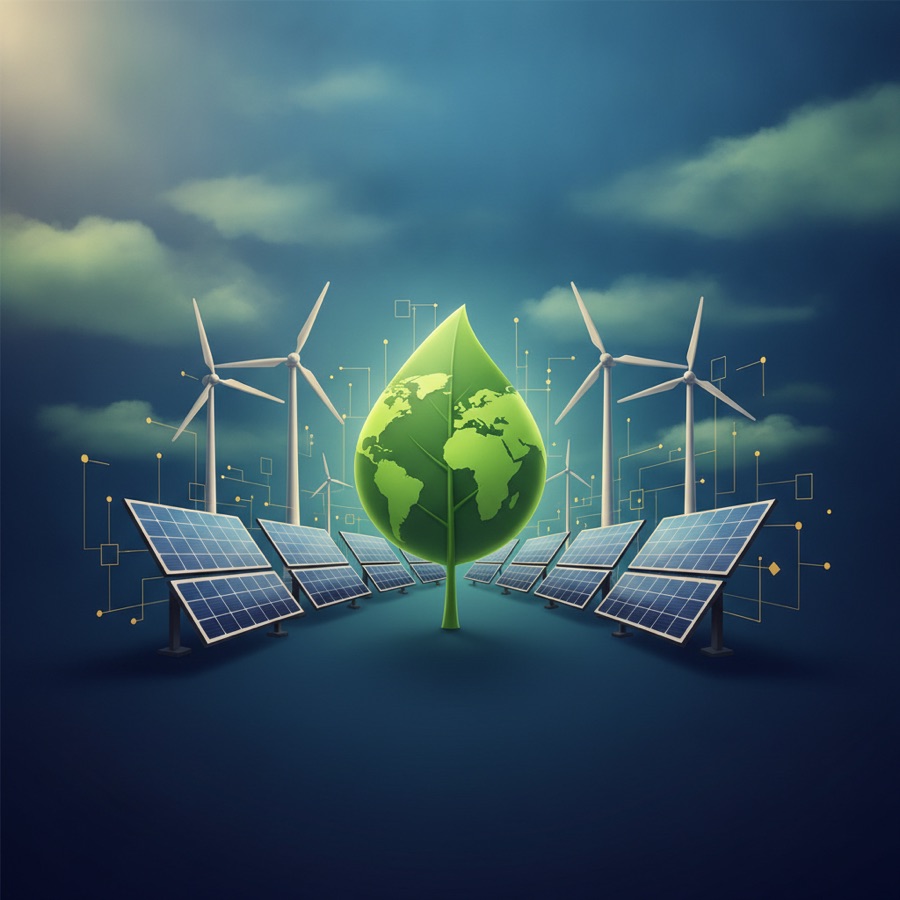
Climate change drives energy demand higher in cooling dependent regions while creating extreme weather that damages energy infrastructure.
These dual pressures force nations to simultaneously expand generation capacity and harden grid resilience.
Leer el informe completoMostrar menos
How Temperature Extremes Reshape Energy Consumption
Rising temperatures increase electricity demand for air conditioning in populated areas, particularly in Asia, the Middle East, and the southern United States. Peak summer loads have grown 2 to 3 percent annually in many developed economies over the past decade as cooling becomes essential rather than optional. Conversely, heating demand declines in northern regions, but this does not offset the net global increase because cooling consumes more total energy than heating due to thermodynamic inefficiency. The result is a permanent upward shift in baseline electricity requirements, forcing utilities to plan for sustained high demand during warm seasons.
Infrastructure Vulnerability and Resilience Costs
Climate volatility damages energy infrastructure through flooding, extreme winds, and temperature swings that stress equipment. Renewable energy sources like wind and solar face generation variability tied to weather patterns, creating grid instability that requires either massive battery storage investment or backup thermal generation. Australia's top court ruled against coal mine expansion citing climate harm, reflecting a policy shift away from traditional baseload sources precisely when grid reliability demands are rising. This paradox forces nations to invest heavily in grid modernization, transmission upgrades, and energy storage simultaneously, dramatically increasing capital expenditure per unit of energy delivered.
National Policy Responses and Capital Requirements
South Korea unveiled a 747 billion dollar energy transition plan through 2035 that explicitly addresses both decarbonization and climate resilience in energy systems. This scale of investment reflects how seriously major industrial economies now treat the dual problem of reducing emissions while adapting to climate impacts on energy infrastructure. Countries across the OECD are allocating similar magnitudes of spending to energy transition, with climate adaptation now embedded into long term energy planning. The GeoGazet tracking network has recorded 100 distinct climate and energy policy events in recent months, indicating sustained policy momentum globally.
The Adaptation Imperative for Developing Nations
Vulnerable populations face disproportionate energy stress from climate change without equivalent resources to adapt. A girl pleading for world leaders to save her country from climate change represents the humanitarian dimension of energy adaptation in climate exposed regions. Developing nations in South Asia, Sub Saharan Africa, and Small Island Developing States require international financing to build climate resilient energy systems, yet currently receive less than 10 percent of global climate finance flows. Without accelerated capital transfers and technology deployment, these regions will face simultaneous energy poverty and infrastructure collapse as climate impacts intensify.
The fundamental reality is that climate change is not a future energy problem but a present operational constraint reshaping how all nations must generate, distribute, and consume electricity.