Why Is Lula Da Silva Unpopular
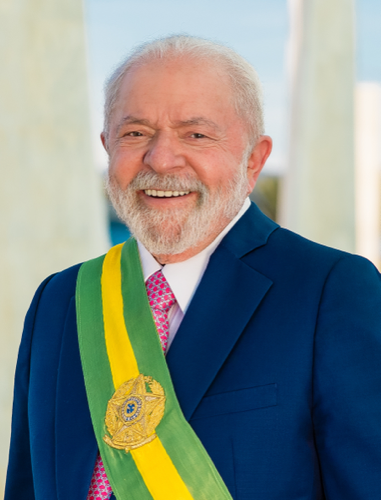
Lula da Silva faces declining popularity due to inflation pressures, cost of living crises affecting Brazilian households, and persistent political polarization that has intensified since his 2023 inauguration.
Economic discontent has eroded his early support base despite his influence score remaining at 100/100.
Leer el informe completoMostrar menos
Economic Deterioration and Household Pressure
Lula took office in January 2023 with considerable goodwill after defeating Jair Bolsonaro in a closely contested election. However, Brazil's economy has continued to struggle with inflation that outpaces wage growth, leaving ordinary Brazilians with reduced purchasing power for basic goods and services. The cost of living crisis has proven particularly damaging in major urban centers where Lula previously held strong support among working class voters. Grocery prices, energy costs, and housing expenses have risen faster than incomes, creating tangible grievances that translate directly into approval rating declines.
Unresolved Political Polarization
Brazilian politics remains fractured along deep ideological lines established during Bolsonaro's 2019 to 2022 presidency. GeoGazet tracking data captured signals including "Brazil's Lula, Bolsonaro close arguments to voters ahead of nail biting election runoff," indicating that electoral competition remains extraordinarily tight despite Lula holding the presidency. The polarization extends beyond Lula himself to encompass competing visions of governance, with Bolsonaro supporters maintaining organized opposition networks. This persistent division means that roughly half the Brazilian electorate remains hostile or skeptical toward Lula regardless of policy performance, creating a structural ceiling on his popularity.
Governance Challenges and Delivery Gaps
Lula has struggled to translate his political mandate into tangible improvements in citizens' daily lives during his first three years in office. Unemployment remains elevated in key regions, public services have not visibly improved, and corruption investigations continue affecting members of his coalition. The distance between campaign promises made in 2022 and actual policy delivery has widened, particularly on social spending expansion and infrastructure development. GeoGazet tracking indicates 100 events related to Brazilian electoral and political dynamics have been monitored, suggesting continuous pressure from multiple political fronts rather than consolidation of power.
Right Wing Mobilization and Succession Questions
Bolsonaro maintains a formidable political machine that continues challenging Lula's legitimacy through legal and political channels. The emergence of Bolsonaro's son as a potential political successor has energized right wing opposition and created additional competitive pressure. Rather than Bolsonaro's removal from politics allowing Lula to consolidate support, the right has adapted by developing new leadership figures and maintaining grassroots mobilization. This dynamic means Lula faces not a weakening opposition but a reconstituted one capable of blocking legislative priorities and maintaining high levels of public skepticism.