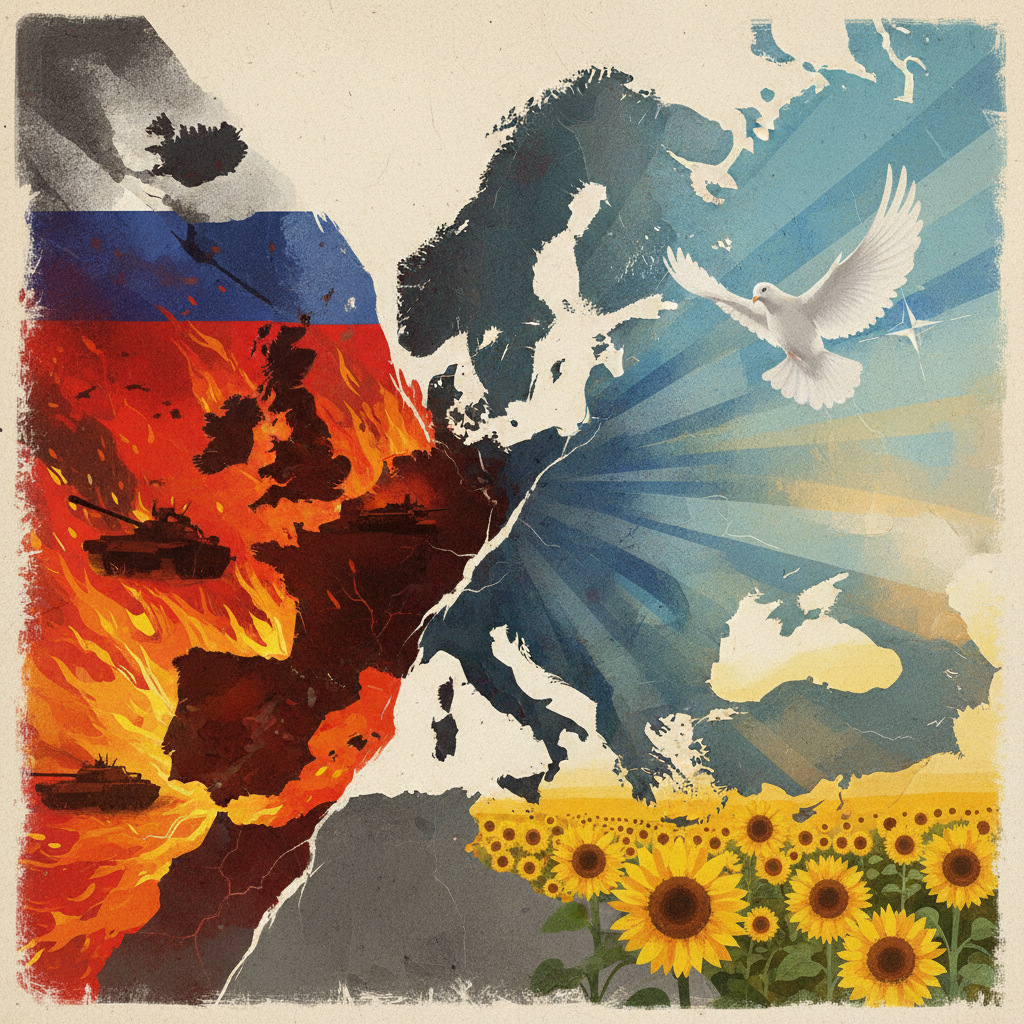
Current State of Conflict
The conflict continues to be characterized by intense fighting and a lack of significant territorial shifts, suggesting a grinding war of attrition. Recent GeoGazet tracking signals highlight the relentless nature of the conflict, reporting "Russia unleashes massive barrage on Ukraine, killing at least 30 people, as Putin shrugs off energy concerns." Further signals noted "Rescuers scour rubble as Kyiv mourns deadliest Russian attack this year" and "Russia’s latest attack on Kyiv was exceptionally deadly – here is why," indicating a sustained high intensity of hostilities, particularly through missile and drone strikes. GeoGazet tracking shows Russia as the top connection with 89 tracked signals, closely followed by Ukraine with 82, and Missiles & Strikes with 15, reflecting the persistent nature of offensive operations. The total tracked events in the GeoGazet graph stand at 100, underscoring the continuous flux of developments. These events illustrate Russia's continued willingness to exert pressure through force, despite the considerable human cost.
Geopolitical Drivers and Obstacles to Peace
The primary drivers of the conflict’s longevity stem from the irreconcilable objectives of both belligerents. Russia seeks to neutralize Ukraine's Western alignment and secure territories it has annexed, while Ukraine is determined to restore its territorial integrity and sovereignty. International mediation efforts have yielded little progress, primarily because neither side is prepared to concede on core demands. Historical comparisons, such as the Korean War, demonstrate that conflicts can persist for decades, even without a formal peace treaty, when fundamental political disagreements remain unresolved and external support sustains one or both sides. The current geopolitical environment, characterized by strong Western support for Ukraine and Russia's diplomatic isolation from key Western powers, further solidifies the stalemate, preventing a decisive military victory for either side or a mutually acceptable political compromise.
Outlook and Indicators
A definitive end to the war would likely require a significant shift in either military capabilities, political will, or international alignment. Neither side appears close to a collapse of military capability or political resolve. A potential change in leadership in either nation or a dramatic alteration in the level of external military or economic support could influence the trajectory of the conflict. However, without such profound shifts, the most probable scenario involves continued fighting at varying levels of intensity.
To determine when the war might conclude, observers should watch for several key indicators: significant breakthroughs on the battlefield by either side, a credible shift in diplomatic positions signalling a willingness to compromise on core demands, or a substantial change in the external support landscape for Ukraine or Russia. Absent these developments, intelligence suggests the war in Ukraine will remain an active and highly influential geopolitical event.