Measuring Geopolitical Impact
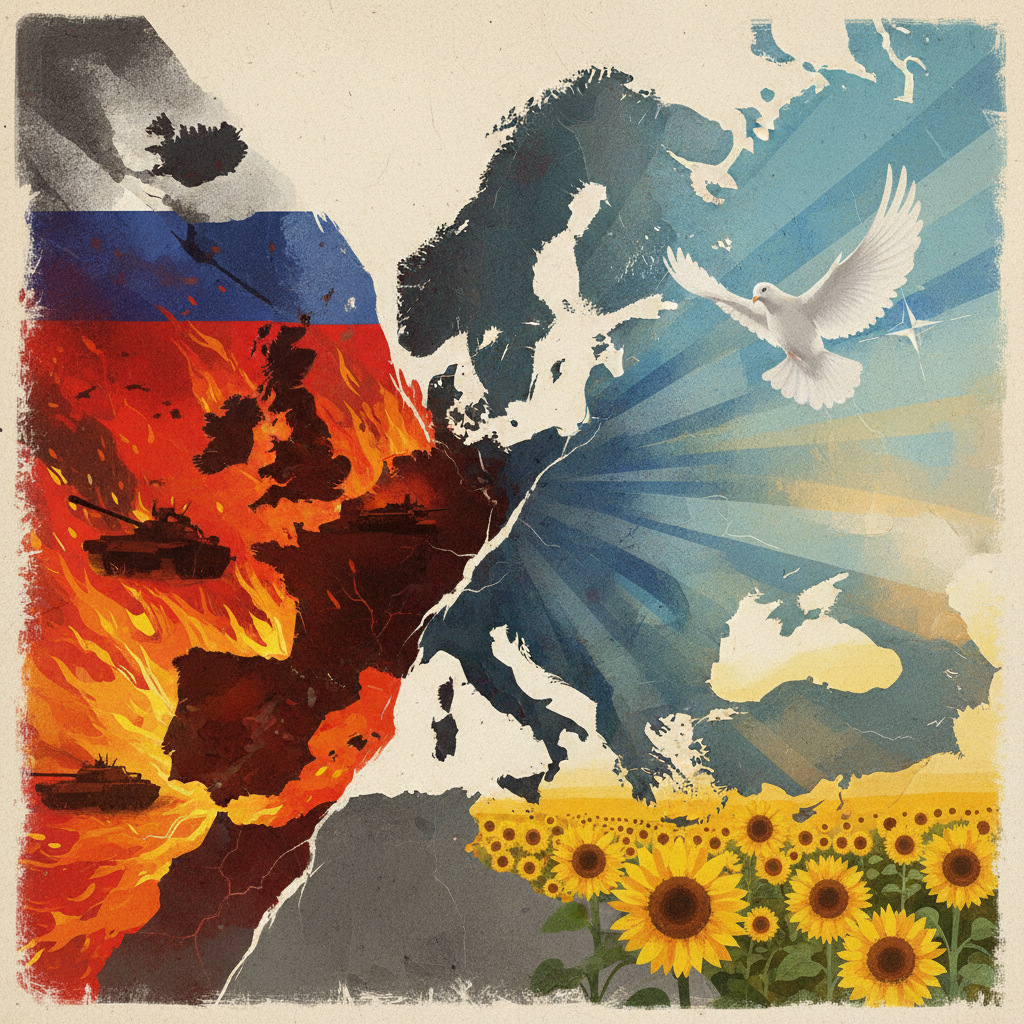
The measurement of geopolitical impact involves tracking a diverse range of indicators, from diplomatic signals to military movements and economic shifts. A current global influence score of 76/100 indicates a highly active and volatile geopolitical environment, reflecting the significant consequences of ongoing events. The sheer volume of tracked events further underscores this activity, with the GeoGazet graph registering a total of 100 tracked events. The concentrated attention, evidenced by top connections such as Ukraine (83 tracked signals), Russia (80 tracked signals), and Missiles & Strikes (10 tracked signals), highlights the profound and multifaceted nature of this impact, focusing on areas of intense conflict and strategic competition.
The Ukraine War: A Case Study in Impact
The ongoing conflict in Ukraine serves as a primary driver of current geopolitical impact, illustrating how a regional war can generate global repercussions. Recent signals from GeoGazet tracking provide direct evidence of these effects. The report "Russia Strips Arctic Air Defenses As Ukraine War Strains Military" reveals a strategic reallocation of resources by Russia, demonstrating how military commitments in one theater can create vulnerabilities and shifts in power dynamics elsewhere. This phenomenon has historical parallels, such as Great Britain reallocating naval assets from imperial outposts to defend its home islands during the lead-up to World War I, illustrating how core strategic interests can dictate global force postures.
Economically, the war continues to prompt international responses, as indicated by the signal "Bipartisan senators introduce Russia sanctions and tariff bill Lindsey Graham championed." Such legislative actions aim to exert economic pressure, leading to disruptions in global supply chains, energy markets, and investment flows, thereby impacting economies worldwide. The humanitarian toll is also a critical component of geopolitical impact. The signal "Devastating Russian attacks make June deadliest month for Ukraine’s civilians since 2022" underscores the severe human cost, which can trigger refugee crises, strain international aid organizations, and galvanize global public opinion and diplomatic efforts.
Broader Geopolitical Ripple Effects
Beyond the immediate conflict, the Ukraine War has accelerated existing trends and created new challenges across the international system. It has deepened existing divisions between democratic and autocratic states, intensified competition over critical resources, and spurred military modernization efforts in various nations as they reassess their security needs. The geopolitical impact extends significantly to global energy security, with countries aggressively pursuing diversification strategies and reassessing their reliance on specific suppliers. Furthermore, food security has become a heightened concern, as agricultural exports from conflict zones are disrupted, affecting vulnerable populations globally. These comprehensive ripple effects demonstrate that geopolitical impact is rarely confined to a single region or issue, but rather reverberates through interconnected global systems.
What to Watch For Next
Future geopolitical impact will likely be shaped by the resolution or continued escalation of the Ukraine conflict, evolving international alliances, and the long-term economic consequences of sanctions. Monitoring resource allocation shifts, the introduction of new international legislation, and humanitarian indices will be crucial in assessing the continually shifting global landscape.