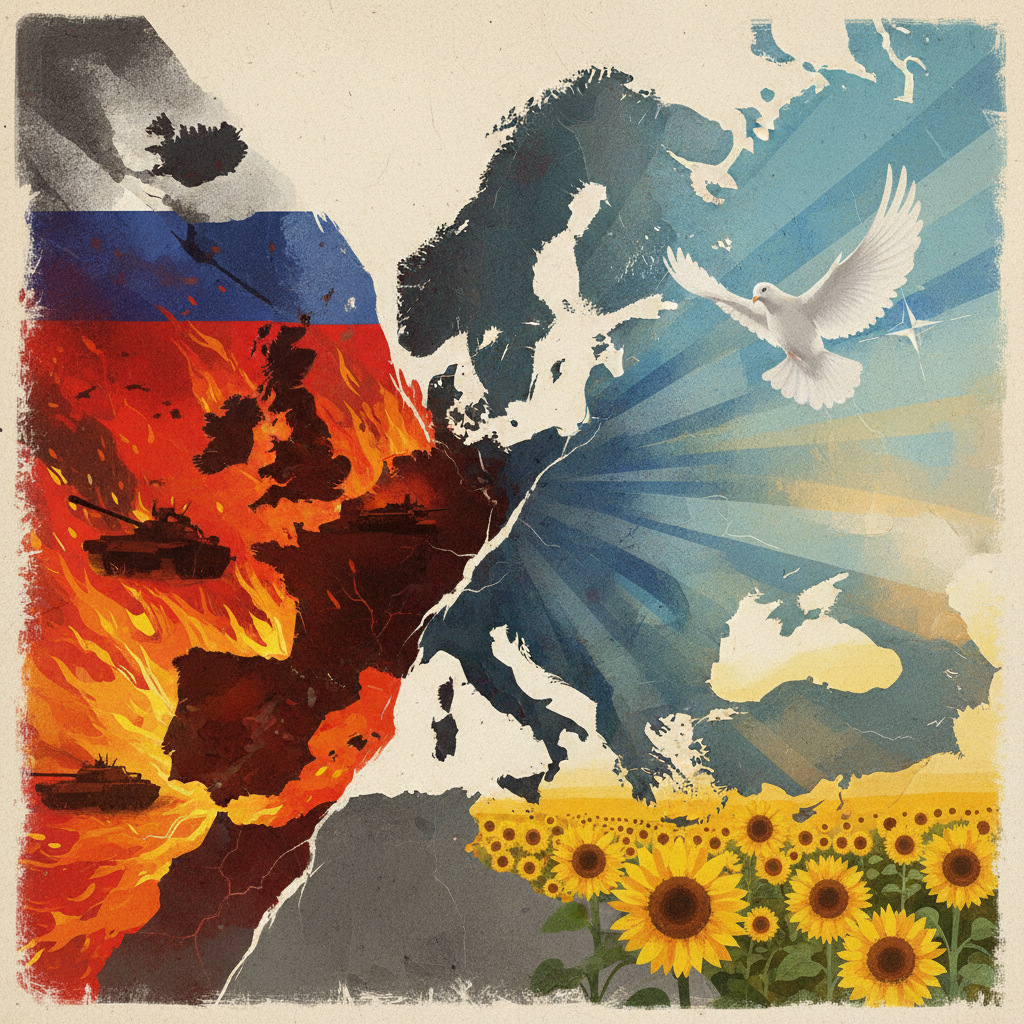
Geopolitical Context
The Ukraine War maintains a paramount position in global geopolitical discourse, reflected by its current influence score of 100/100. Geopolitical intelligence platforms, such as GeoGazet, actively track an extensive range of related events. Top connections by signal volume include Ukraine with 87 tracked signals, Russia with 82 tracked signals, and a significant 17 tracked signals related to Missiles & Strikes. The GeoGazet graph shows a total of 100 tracked events, illustrating the depth of ongoing developments.
Recent Developments: Missile Barrages and Strategic Intent
Recent intelligence signals underscore a continued pattern of Russian aerial assaults. According to GeoGazet tracking, a significant signal indicates "Missile Barrage Shows Russia’s Doubt That Ukraine Can Defend Itself." This assessment suggests Russia’s operational strategy aims to test and overwhelm Ukraine’s air defense capabilities, potentially indicating a belief that sustained pressure could lead to a systemic failure in Ukrainian defenses. A clear example of this offensive strategy is documented by GeoGazet tracking, which notes "Video shows Russian missile strike on Ukrainian capital." Such strikes against civilian and critical infrastructure targets are consistent with a broader Russian objective to degrade Ukraine's economic and military potential, disrupt supply lines, and inflict psychological pressure on the population. This tactic of extended bombardment of urban centers draws historical comparisons to World War II campaigns and later conflicts where air superiority was leveraged to erode national resolve and infrastructure.
Calls for Peace Amidst Conflict
Despite the ongoing military hostilities, international discourse continues to address avenues for peace. GeoGazet tracking includes a signal titled "“A Decent Respect to the Opinions of Mankind” Mandates a Search for Peace in Ukraine." This signal highlights the persistent international pressure and moral imperatives for de-escalation and diplomatic resolution. The coexistence of intensified military actions with calls for a peaceful settlement reflects the complex and often contradictory nature of the conflict, where diplomatic efforts proceed in parallel with kinetic engagements. The international community, while often divided on specific peace frameworks, generally acknowledges the humanitarian and geopolitical costs of prolonged conflict.
What to Watch For Next
Analysts will closely monitor several key indicators. Foremost among these are the intensity and effectiveness of future Russian missile strikes, particularly how Ukraine adapts its air defense strategies and solicits further international support for defensive capabilities. The trajectory of diplomatic efforts will also be crucial, including any shifts in positions from key international actors. Furthermore, the internal political and economic resilience of Ukraine, alongside Russia's ability to sustain its offensive operations amidst international sanctions and domestic pressures, will be central to understanding future developments.