Context of the US-China Trade War
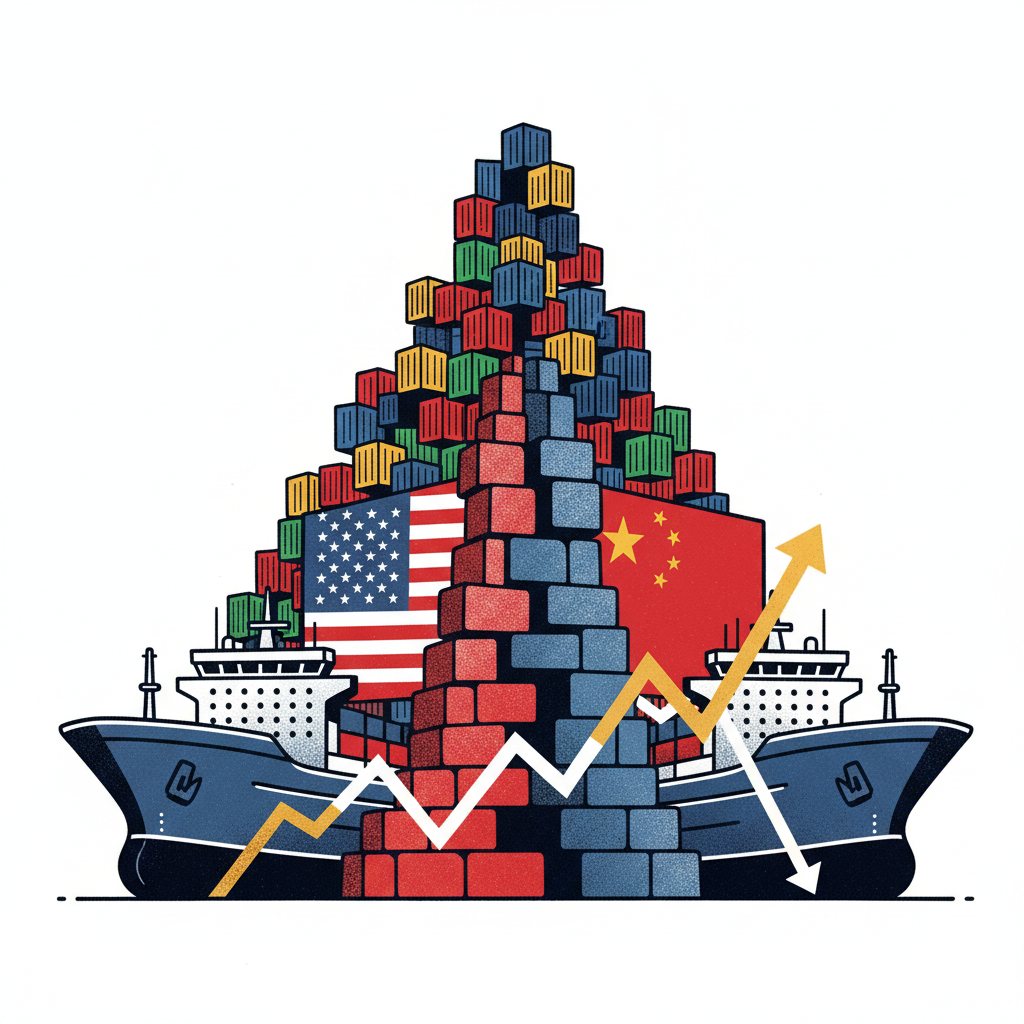
The US-China trade war, characterized by the imposition of retaliatory tariffs on a wide range of goods, stems from broader disagreements over intellectual property theft, forced technology transfers, and market access. This economic friction is a central component of a wider geopolitical competition between the two powers, impacting global trade norms and alliances. GeoGazet tracking indicates a high volume of signals related to Tariffs & Trade (71 tracked signals), China (44 tracked signals), and the United States (12 tracked signals), highlighting these as central components of the current global economic landscape and the focus of geopolitical analysis. The total tracked events in GeoGazet graph, numbering 100, further underscore the continuous and dynamic nature of this conflict.
Economic Impacts on Australia
Australia’s economic vulnerability is notable despite its Current influence score of 8/100, which indicates a limited direct ability to shape the trade war's trajectory. As a major exporter of raw materials such as iron ore, coal, and liquefied natural gas, Australia is highly sensitive to fluctuations in Chinese demand. A slowdown in China’s economy, precipitated by US tariffs affecting its export manufacturing, directly reduces demand for Australian commodities. This indirect impact poses a significant risk to Australia's resource sector, which is a major contributor to its national income and employment. For example, a decrease in Chinese industrial output directly correlates with reduced appetite for Australian iron ore.
Supply Chain Disruptions and Trade Diversions
The trade war has prompted global businesses to reassess their supply chains, creating both challenges and potential opportunities for Australia. Recent GeoGazet signals, such as "Retailers front-loading Chinese imports to beat looming July 24 tariff deadline (WMT:NASDAQ)", "US retailers frontload China orders for holiday season, shipping firms say", and "U.S. Retailers Accelerate China Imports Ahead of Potential Tariff Hike", demonstrate active efforts by US companies to mitigate tariff impacts through strategic purchasing. While these actions might create short-term volatility in global trade patterns, they also signal a potential long-term shift away from China as the sole manufacturing hub. For Australia, this could mean challenges in existing supply lines where Australian components are part of a China-centric manufacturing process, but also opportunities to diversify its export markets or attract investment in alternative manufacturing or processing capabilities as global supply chains fragment and relocate. Historically, Australia has navigated similar global economic shifts, such as adapting to evolving demand patterns following the 2008 financial crisis, where strong Chinese commodity demand played a crucial role in its resilience.
Geopolitical Ramifications
Beyond economics, the trade war exacerbates geopolitical tensions in the Indo-Pacific, a region critical to Australia’s security and prosperity. Australia is caught between its primary security ally, the United States, and its largest trading partner, China. This delicate balance is strained by trade disputes, creating pressure on Australia’s foreign policy to maintain strategic autonomy while safeguarding its economic interests. The increased competition can also lead to greater uncertainty for Australian businesses operating in the region, particularly those with investments or supply chain links across both major economies.
What to Watch For Next
Future developments to monitor include the trajectory of US-China trade negotiations, any new tariff implementations, and the effectiveness of efforts by businesses to reconfigure global supply chains. The resilience of China's domestic demand and its ability to pivot away from reliance on US markets will also be key indicators for Australia’s resource sector. Observer nations will also track Australia's continued efforts to diversify its trade relationships and navigate the complex geopolitical landscape of the Indo-Pacific.