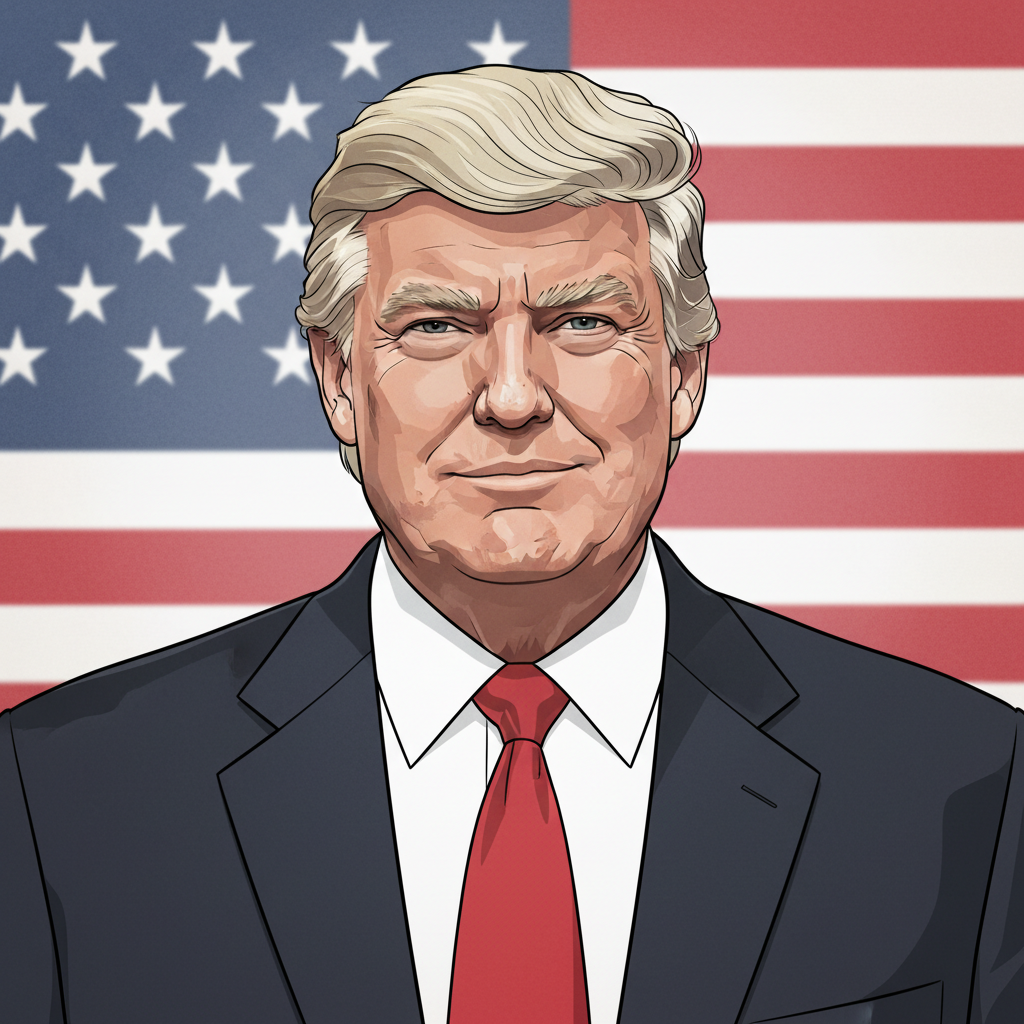
Context and Recent Assertions
Donald Trump’s current influence in the geopolitical sphere remains significant, reflected by a current influence score of 100/100 on the GeoGazet tracking system, which monitors a total of 100 tracked events related to his activities. His administration previously pursued a "maximum pressure" campaign against Iran, withdrawing from the Joint Comprehensive Plan of Action (JCPOA) in 2018 and imposing stringent sanctions. This historical context shapes perceptions of any proposed new engagement.
Recent signals from GeoGazet tracking highlight the conflicting narratives: "Iran war live: Tehran denies Trump’s claim of meeting in Doha" directly refutes the former president's statement. Conversely, another signal, "Iran War Live Updates: U.S. and Iran Set for New Talks in Qatar After Exchanging Strikes, Trump Says," indicates his personal assertion of impending diplomatic contact. This discrepancy creates an uncertain landscape for understanding any actual progress toward de-escalation or negotiation between the United States and Iran. The reference to "exchanging strikes" suggests a backdrop of ongoing regional tensions, which traditionally have complicated direct dialogue.
Trump’s Broader Focus
While making statements on Iran, Donald Trump’s primary engagement points, as indicated by signal volume, lie elsewhere. His top connections by signal volume are Courts & Law (38 tracked signals), United States (15 tracked signals), and Elections (14 tracked signals). These metrics underscore his current immersion in domestic legal challenges and his ongoing political campaign. For example, a recent GeoGazet signal, "Judge Orders Trump to End Efforts to Kill Hudson Tunnel Funding," illustrates his active involvement in United States infrastructure and legal disputes, diverting significant attention from foreign policy.
Historical Parallels and Future Watch
Historically, US-Iran relations have been characterized by periods of intense confrontation and limited, often indirect, dialogue. Trump's previous administration saw a peak in tensions following the withdrawal from the JCPOA and the targeted killing of Qasem Soleimani, with little high-level direct negotiation. The current situation, marked by conflicting reports of talks, echoes previous instances where back-channel communications or public posturing preceded any substantive diplomatic breakthroughs.
Moving forward, observers should watch for any independent confirmations or denials of proposed US-Iran talks from official government sources in both Washington and Tehran. The focus of the current US administration on diplomatic solutions versus the former president's pronouncements will be a key dynamic. Any genuine de-escalation or negotiation would likely manifest through official channels, rather than through singular, unconfirmed claims.