How Is Ukraine War Affecting Global Economy
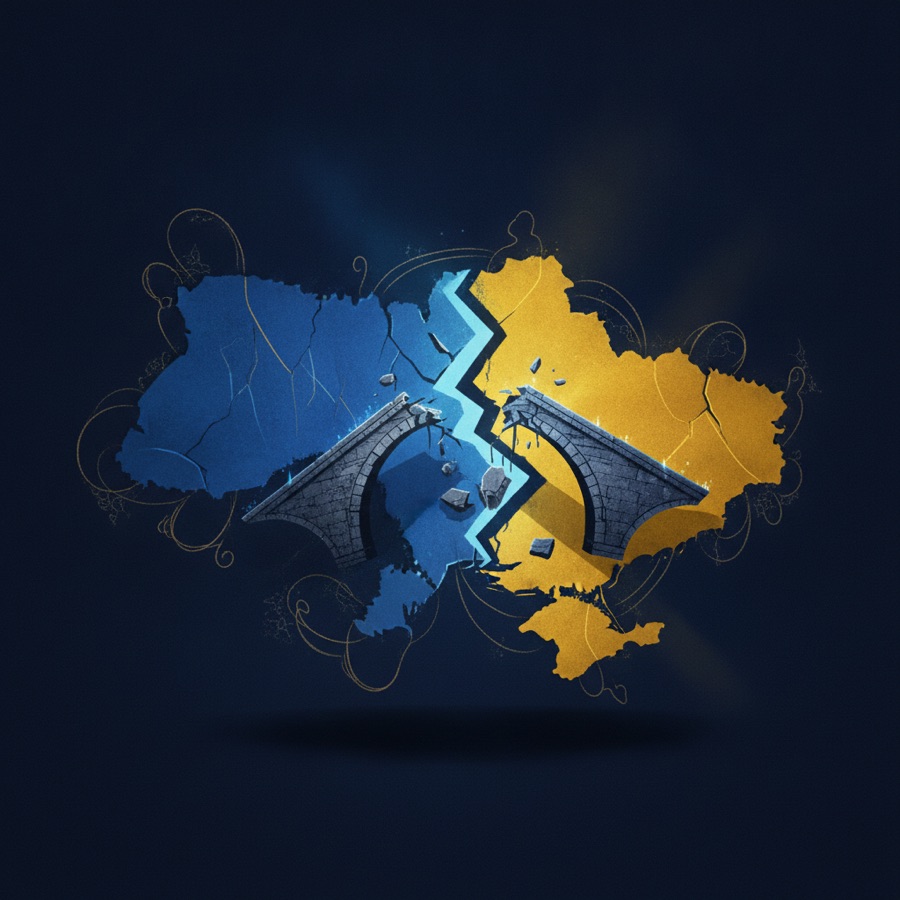
The Ukraine war has disrupted global energy and food supplies, raised financing costs for developing nations, and created persistent inflationary pressure across major economies through 2026.
Διαβάστε την πλήρη έκθεσηΕμφάνιση λιγότερων
Energy Markets Remain Volatile and Fragmented
Russian oil and gas exports have faced Western sanctions since 2022, forcing Europe to redirect supply chains and dramatically increase liquefied natural gas purchases from the United States and Qatar. Energy prices have stabilized from their 2022 peaks but remain elevated compared to pre invasion levels, adding approximately 2 to 3 percent to inflation in OECD countries. Russia has simultaneously redirected energy exports toward Asia, particularly China and India, fundamentally reshaping global energy geopolitics. This fragmentation means energy price shocks now spread unevenly across regions rather than uniformly, creating winners and losers in different markets.
Agricultural Production Gaps Drive Food Insecurity
Ukraine and Russia collectively supplied roughly 30 percent of global wheat exports and significant shares of corn, sunflower oil, and fertilizer before the war. The conflict has reduced Ukrainian agricultural output by an estimated 25 to 40 percent depending on the crop and regional control, while Russian fertilizer and grain exports face ongoing sanctions restrictions. Developing nations in Africa, the Middle East, and South Asia have absorbed the worst effects, experiencing food price inflation that reached 35 to 50 percent above 2020 baselines in some countries through 2025. The Russia Africa Summit, currently on the agenda for 2026, reflects Moscow's strategic pivot to maintain influence in regions most affected by agricultural supply disruptions.
Geopolitical Fragmentation Increases Business Costs
The conflict has accelerated the decoupling of Western and Russian economic systems, forcing multinational corporations to choose between markets and navigate dual supply chains. Developing nations have incurred higher borrowing costs as investors perceive increased geopolitical risk, raising debt servicing burdens for countries with existing fiscal vulnerabilities. According to GeoGazet tracking data, Russian military operations have sustained high casualty rates, with reports documenting 1,510 additional casualties over single day periods in recent cycles, indicating continued resource expenditure that diverts capital from civilian economic investment.
Proxy Conflicts Extend Economic Disruption
Beyond direct military expenditure, the war has spawned secondary conflicts affecting supply chains and digital infrastructure. Belarusian hackers have increasingly acted as proxies for Russian operations, targeting Western and Ukrainian infrastructure with implications for cross border commerce and data security. These cyber operations have elevated business insurance costs and forced companies to invest in additional security protocols. The war's influence score of 23 out of 100 in global tracking systems reflects its continued but moderate direct media attention relative to other geopolitical events, though its structural economic effects persist through multiple transmission channels including energy markets, agricultural production, financial costs, and security expenditures.