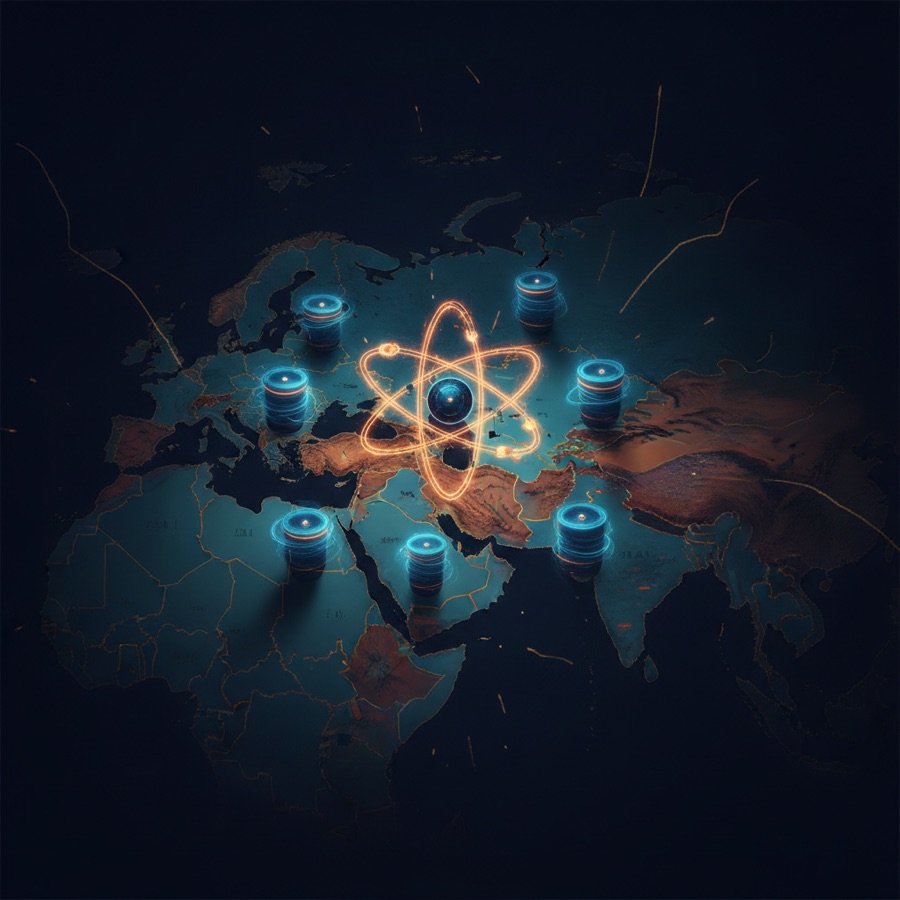
Η πυρηνική συμφωνία του Ιράν παραμένει μια από τις πιο σημαντικές και αμφιλεγόμενες διεθνείς συμφωνίες του 21ού αιώνα, διαμορφώνοντας τους υπολογισμούς περιφερειακής ασφάλειας, τις παγκόσμιες αγορές ενέργειας και την εξωτερική πολιτική των ΗΠΑ. Από το 2026, η συμφωνία υπάρχει σε κατάσταση βαθιάς αβεβαιότητας, με το Ιράν να επιταχύνει τον εμπλουτισμό ουρανίου, τους ασθενέστερους διεθνείς μηχανισμούς επίβλεψης και τις αυξανόμενες στρατιωτικές εντάσεις μεταξύ του Ιράν και των ΗΠΑ. Οι πρόσφατες κλιμακώσεις, συμπεριλαμβανομένων των εντονότερων συγκρούσεων στην Υεμένη, της δηλωθείσας ετοιμότητας της Τεχεράνης για πιθανές επιθέσεις των ΗΠΑ και της αποχώρησης των ΗΠΑ των βομβαρδιστικών αεροσκαφών Β-1 από τις βάσεις της Μεγάλης Βρετανίας, έχουν ανανεώσει τη συζήτηση σχετικά με το αν η διπλωματική επίλυση ή το στρατιωτικό σύγκρουση αντιπροσωπεύει το πιο πιθανό μονοπάτι προς τα εμπρός.
δισαγωνία για τα πυρηνικά του ιράν 2013
The Joint Comprehensive Plan of Action (JCPOA), commonly called the Iran nuclear deal, was negotiated and finalized in 2015 among Iran, the five permanent UN Security Council members (United States, United Kingdom, France, Russia, China), Germany, and the European Union. The agreement emerged from years of negotiations initiated following Iran's disclosure of undeclared nuclear facilities and international concerns about the potential military dimensions of its nuclear program. Under the 2015 deal, Iran agreed to limit uranium enrichment levels, reduce its uranium stockpile, allow international inspections by the International Atomic Energy Agency, and accept strict monitoring of its nuclear facilities in exchange for the lifting of international sanctions.
κριτική της δισαγωνίας για τα πυρηνικά του ιράν
The JCPOA has faced sustained criticism from multiple quarters since its inception. Opponents argued the agreement did not address Iran's ballistic missile program, regional military activities, or the sunset clauses that would allow certain restrictions to expire. Critics contended that the inspections regime, while robust, could not verify all aspects of Iran's nuclear intentions. The deal has also been controversial regarding its sunset provisions, which would allow Iran greater enrichment capacity in future years. These criticisms intensified following the 2018 US withdrawal from the agreement and subsequent reimposition of sanctions.
δισαγωνία για τα πυρηνικά του ιράν με την Ρωσία
Russia has maintained a central role in the nuclear deal framework since its negotiation. As a signatory to the JCPOA and a permanent UN Security Council member, Russia participated in both the original negotiations and ongoing discussions about the agreement's implementation and future. Russia's position has generally supported the preservation of the deal and opposed unilateral sanctions regimes, though Russia's own geopolitical interests and strategic partnership with Iran have evolved significantly in recent years.
ρωσο-ιρανική δισαγωνία για τα πυρηνικά 2026
The Russia Iran relationship has deepened considerably by 2026, particularly following Russia's military actions in Ukraine and increased international isolation. However, the nuclear deal itself remains suspended in practical terms, with Iran having substantially expanded its uranium enrichment activities beyond the JCPOA limits. Russia continues to maintain nominal support for the agreement framework while simultaneously deepening military and economic cooperation with Iran outside nuclear deal parameters.
τρέχουσα δισαγωνία για τα πυρηνικά του ιράν
As of 2026, the Iran nuclear deal exists in a state of effective collapse. Iran has exceeded JCPOA enrichment limits and reduced IAEA access, while international enforcement mechanisms have deteriorated. The agreement remains technically in force for remaining signatories, but its core restrictions and inspections regime have been substantially undermined. Amid escalating military tensions and the current cycle of attacks and counter attack threats, diplomatic restoration of the deal appears increasingly unlikely without major political shifts in either Tehran or Washington.