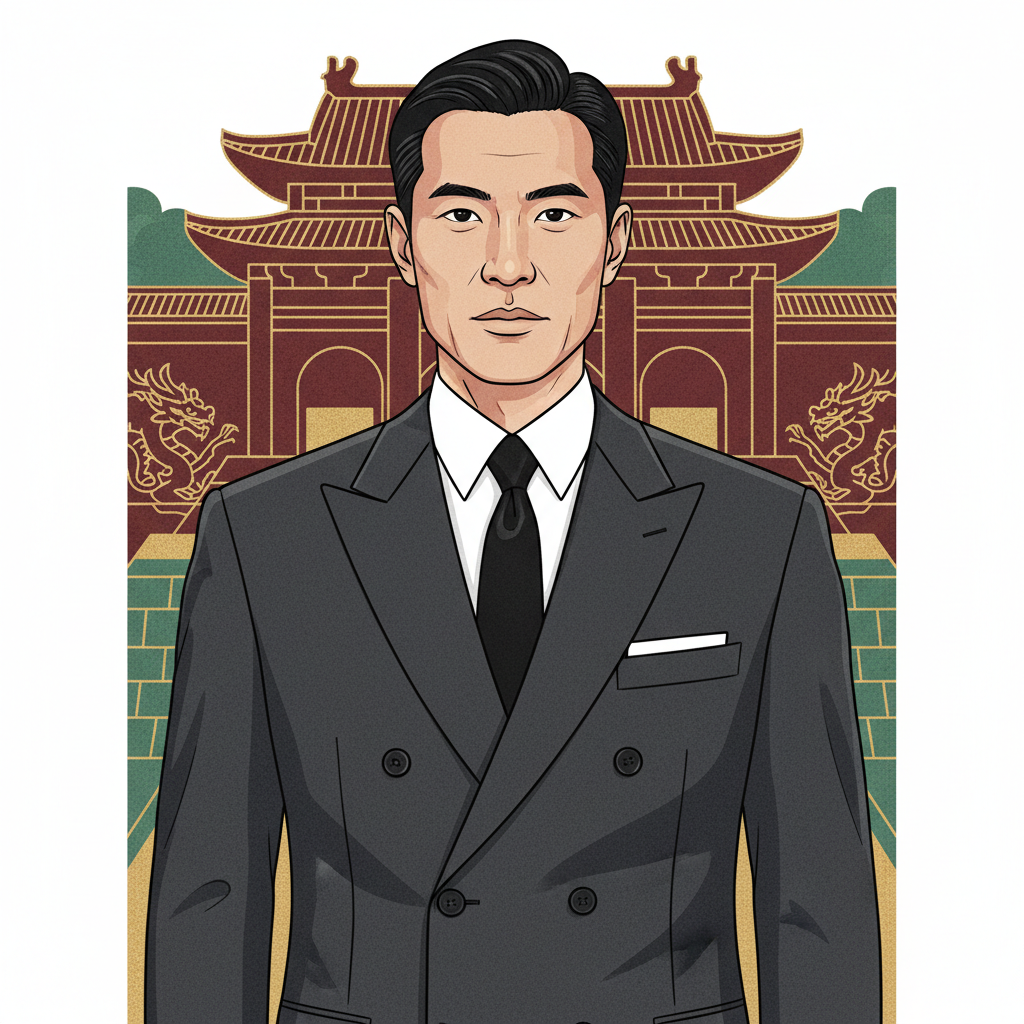
Consolidation of Authority
Xi Jinping’s tenure has been characterized by a significant consolidation of personal power, moving away from the collective leadership model that largely prevailed after Deng Xiaoping. A pivotal moment occurred in 2018 when the National People's Congress approved constitutional amendments abolishing presidential term limits. This change effectively allows Xi Jinping to remain in power indefinitely, marking a clear departure from the two-term conventions observed by his immediate predecessors, Jiang Zemin and Hu Jintao. His current influence score of 100/100 reflects his unchallenged authority and substantial global impact.
Geopolitical Footprint and Alliances
Under Xi Jinping, China has pursued a more assertive foreign policy, leveraging its economic might and diplomatic influence. GeoGazet tracking data, with 100 total tracked events in its graph, illustrates the breadth of his international activity. His top connections by signal volume are China itself (75 tracked signals), followed by Canada (4 tracked signals), and the United States (3 tracked signals), indicating a primary focus on domestic governance alongside key global power relationships. Recent signals highlight specific diplomatic activities and strategic alignments. For instance, GeoGazet notes "Belarus’ Lukashenko courts Moscow and Beijing as Ukraine tensions simmer," underscoring China's engagement with nations seeking alternatives to Western alignment amidst global geopolitical shifts. Furthermore, the signal "Lukashenka Tells Xi Jinping His Dream Has Come True" suggests personal diplomatic success and strengthening ties with strategic partners. Internally, Xi Jinping continues to reinforce party loyalty and long term vision, as evidenced by the GeoGazet signal "Xi to confer July 1 Medal, address CPC's 105th anniversary gathering," which points to his ongoing leadership in commemorating party milestones and maintaining ideological cohesion.
Historical Parallels
Xi Jinping’s lengthy tenure and accumulation of power draw historical comparisons primarily to Mao Zedong, who led China from 1949 until his death in 1976. While Deng Xiaoping held immense influence, he did not hold formal state titles for as long as Mao or now Xi Jinping. The post-Deng era emphasized institutionalized leadership transitions to prevent one-man rule, a principle Xi Jinping has overturned. His leadership style and extended mandate represent a significant shift back towards a more centralized and personalized form of governance within the CPC, impacting both domestic policy and China's international stance for the foreseeable future.
What to Watch For Next
The enduring question surrounding Xi Jinping's prolonged leadership centers on long term implications for China's stability and global role. Observers will closely monitor any indications of succession planning, though none are currently apparent, suggesting continued personal rule. Further developments in China's relationships with the United States and Europe, its strategic partnerships in the Global South, and its handling of internal economic and social challenges will all be shaped by his continued authority.