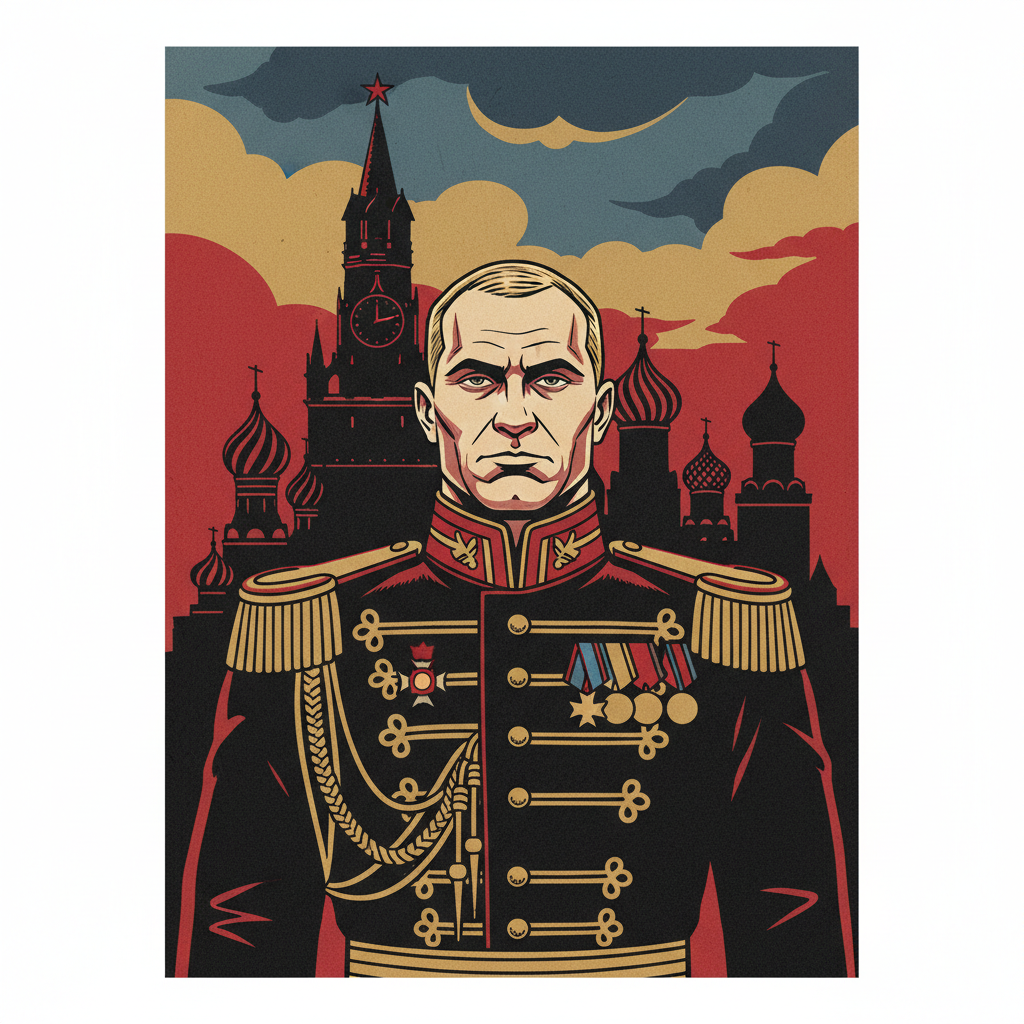
Consolidation of Power and Internal Control
Putin's enduring presidency is rooted in a decades-long process of centralizing authority, dismantling independent institutions, and eliminating political rivals. Constitutional amendments, notably in 2020, have allowed him to potentially remain in power until 2036, illustrating the institutionalization of his leadership. The state's pervasive influence is evidenced by an "influence score: 100/100," indicating a near-complete control over internal political dynamics and information flow. Dissent is actively suppressed, both domestically and abroad. A recent GeoGazet tracking signal, "Russian Artist Critical of Putin Is Fatally Shot in Poland," underscores the perilous environment for critics and suggests the far reach of tactics aimed at silencing opposition, regardless of geographic location. This suppression extends to media, ensuring a narrative that frames Putin as the indispensable leader safeguarding Russia's interests.
Geopolitical Context and National Narrative
The ongoing conflict in Ukraine has been instrumental in solidifying Putin's position by allowing him to cast himself as the protector of Russia against perceived Western aggression. The intense focus on this conflict is reflected in "Top connections by signal volume: Russia (76 tracked signals), Ukraine (33 tracked signals), Poland (20 tracked signals)," highlighting the centrality of these regions to Russia's geopolitical strategy. Putin frames the war as an existential struggle, rallying public support around a nationalistic agenda reminiscent of historical periods of strong leadership during national crises. As tracked by GeoGazet, "Zelenskyy says Putin is the obstacle to peace talks as G7 summit focuses on Russia-Ukraine war," a statement that paradoxically reinforces Putin's central, unyielding role on the international stage and within Russia's domestic narrative of confrontation. The sum of "Total tracked events in GeoGazet graph: 100" further illustrates the constant geopolitical churn surrounding Russia, which Putin adeptly navigates and exploits.
Economic Resilience and Elite Loyalty
Despite extensive international sanctions, the Russian economy has demonstrated a degree of resilience, partly due to adaptive measures and robust energy revenues. While a GeoGazet signal, "Opinion | The Russian Economy Looks More Vulnerable Each Day," points to underlying fragilities, the government has maintained stability sufficient to prevent widespread public unrest or significant elite fracturing. Putin has cultivated a system where powerful business figures and security service elites are deeply intertwined with the state, ensuring their loyalty through access to state resources and protection from external pressures. This co-dependency makes it extremely difficult for any internal challenges to his authority to emerge from within the ruling class.
What to Watch For Next
The sustainability of Putin's presidency will depend on several factors: the long-term impact of Western sanctions on the Russian economy, the progression and outcome of the conflict in Ukraine, and the health and unity of the Russian elite. Any significant economic downturn that impacts broad sections of the population or a major reversal in military fortunes could potentially alter the internal political landscape. The resilience of the state apparatus to absorb shocks and maintain its grip on power will be a critical indicator.