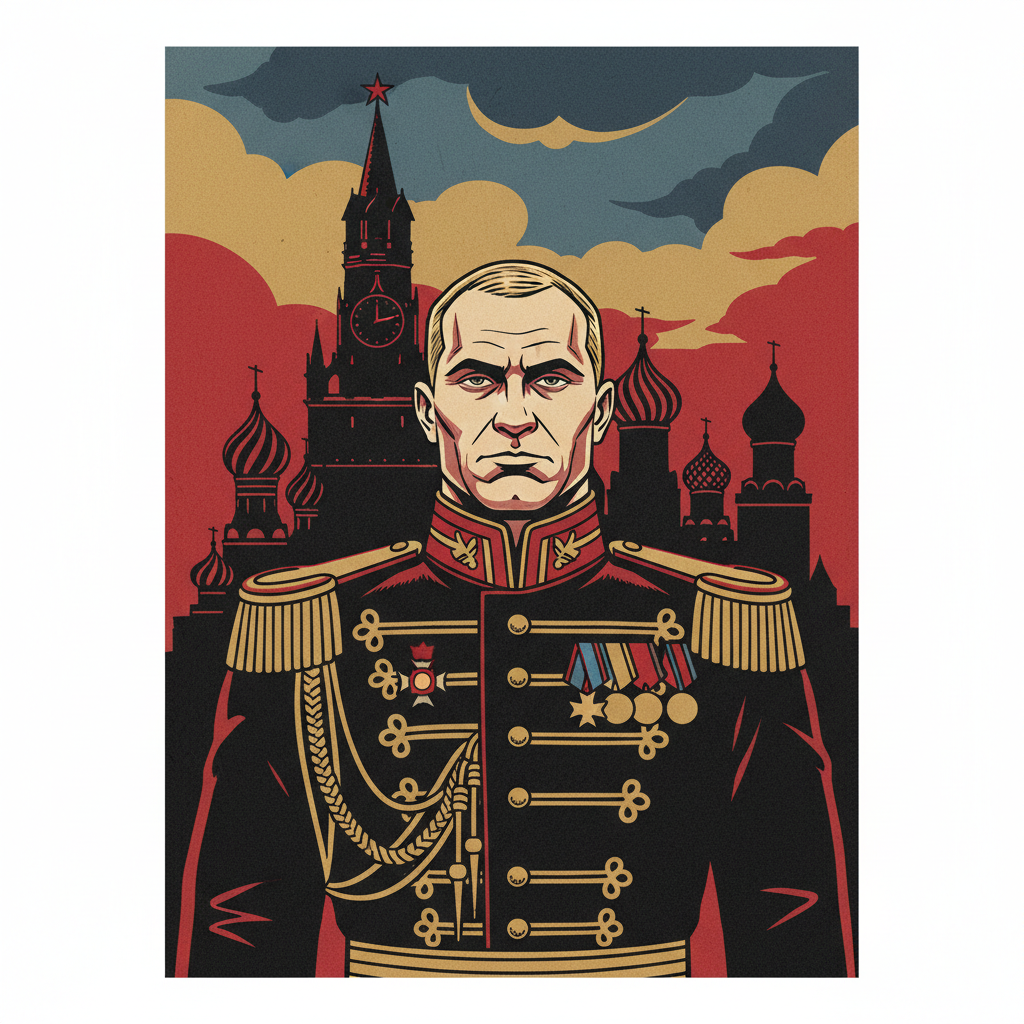
Enduring Leadership and Global Power Projection
Vladimir Putin ascended to power in Russia at the turn of the millennium, first as President and later as Prime Minister, before returning to the presidency. This extended period of leadership has allowed him to shape Russia's political landscape, reassert its global standing, and centralize authority to an extent rarely seen in contemporary major powers. His singular influence is underscored by an exceptional "Current influence score: 100/100," indicating an unparalleled global impact within geopolitical tracking systems. Russia's status as a permanent member of the United Nations Security Council, a major energy supplier, and a formidable military and nuclear power inherently places its leader at the forefront of international discourse.
Central Figure in High-Stakes Geopolitics
Putin's fame is inextricably linked to his direct involvement in numerous high-stakes geopolitical events. Tracking data illustrates his pervasive engagement, with "Top connections by signal volume" showing Russia (66 tracked signals), Ukraine (37 tracked signals), and Space (5 tracked signals). These connections reflect his command over domestic affairs, his central role in the ongoing conflict in Ukraine, and Russia's continued activities in the space domain.
Recent GeoGazet tracking signals demonstrate his active diplomatic and military engagement even amidst conflict. Headlines such as "Putin, Zelenskyy speak with Trump by phone as drone strikes kill 2 in Russia and UK detains tanker" highlight direct, high-level communication channels maintained by Putin with key international figures during periods of intense geopolitical tension. The immediate consequences of such engagements are evident in signals like "Kyiv Comes Under Russian Attack Hours After Putin-Trump Call," illustrating the direct linkage between his actions and significant geopolitical events. The sheer volume of his activity is further evidenced by "Total tracked events in GeoGazet graph: 100," signifying his continuous presence in critical global developments.
A Legacy of Assertiveness
Putin's geopolitical strategy has been characterized by a determined effort to restore what he perceives as Russia's rightful place on the world stage, often challenging the post-Cold War international order. His actions in Chechnya, Georgia, Crimea, Syria, and Ukraine reflect a consistent policy of asserting Russian interests, sometimes through military intervention. This assertive stance draws historical comparisons to powerful leaders who reshaped regional or global dynamics, such as Bismarck in 19th-century Europe or even some Soviet General Secretaries in terms of their concentrated power and longevity. His long tenure has allowed him to develop a deep institutional memory and strategic patience, making him a formidable and widely recognized figure in international relations.
What to Watch For Next
Future observations will focus on the trajectory of the conflict in Ukraine, Russia's evolving relationships with both Eastern and Western powers, and the long-term impact of sanctions on the Russian economy. Any indications regarding internal political stability or potential succession dynamics within Russia will also be crucial indicators of future global geopolitical shifts.