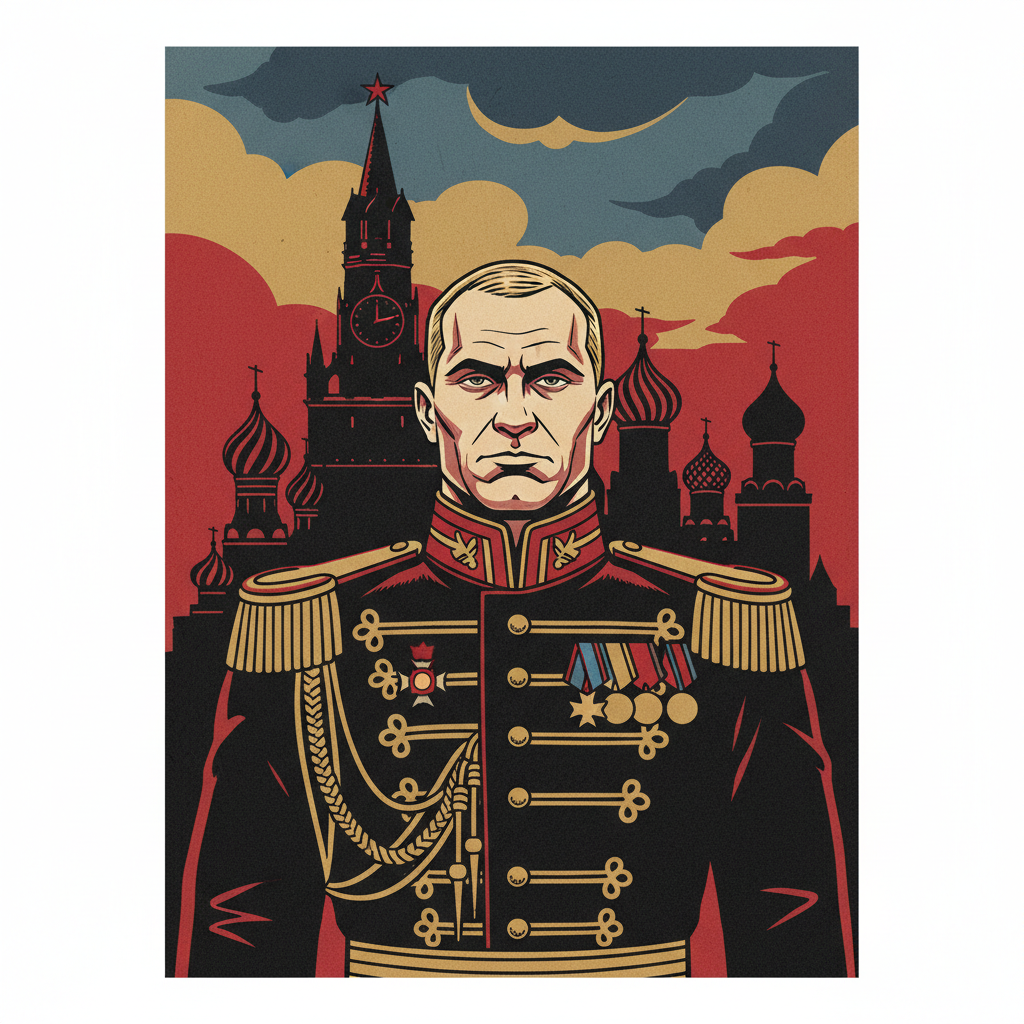
Geopolitical Context and Recent Actions
Vladimir Putin continues to be the central figure in Russia's foreign and domestic policy, especially concerning the conflict in Ukraine, which represents a significant geopolitical challenge. His leadership maintains a firm grip on Russia's strategic direction, influencing both military operations and international relations. The total tracked events in the GeoGazet graph stand at 100, indicating a high level of activity surrounding his actions and decisions.
Recent signals from GeoGazet tracking underscore this activity. One prominent signal, "Putin Unleashes Biggest Revenge Strike On Ukraine, Russian Forces Hit Fuel & Energy Sites | Watch," details significant Russian military actions. This event suggests an escalation of hostilities, targeting critical infrastructure in Ukraine, potentially in retaliation for previous Ukrainian actions or as a means to degrade Ukraine's ability to resist. Historically, such targeting of vital resources has been a tactic to weaken an adversary's resolve and capacity during prolonged conflicts.
Strategic Challenges and Counter-Measures
Despite the sustained offensive actions, challenges to Russia's war effort are evident in other tracked signals. The signal "Will forced mobilisation save Putin’s war effort?" indicates ongoing discussions and concerns regarding the sustainability and effectiveness of Russia's military strategy. This question points to potential manpower issues or a need for reinforced military capabilities, a strategic consideration that echoes historical precedents where large-scale mobilization has been employed to turn the tide in protracted conflicts, often with significant domestic implications.
Furthermore, Ukraine's strategic counter-measures are impacting Russia's operations. The signal "‘Oil blockade’ on Crimea: Ukraine chokes Putin’s prized peninsula" highlights Ukrainian efforts to disrupt Russian logistics and control over annexed territories. This action against Crimea, a territory annexed by Russia in 2014 and considered strategically vital, represents a significant move to challenge Russia's hold and complicates military resupply. Such economic blockades have historically been employed to exert pressure on adversaries by disrupting critical supply lines and resource access.
What to Watch For Next
Observers should closely monitor several key areas. The immediate focus will be on the continuation or de-escalation of large-scale strikes against Ukrainian energy infrastructure and any shifts in Russia's stated military objectives. Furthermore, developments related to potential forced mobilization within Russia, including public reaction and its impact on the battlefield, will be crucial. Finally, the effectiveness of Ukrainian counter-measures, particularly those affecting critical Russian assets or annexed territories like Crimea, will indicate the evolving dynamics of the conflict and shape Vladimir Putin's future strategic decisions.