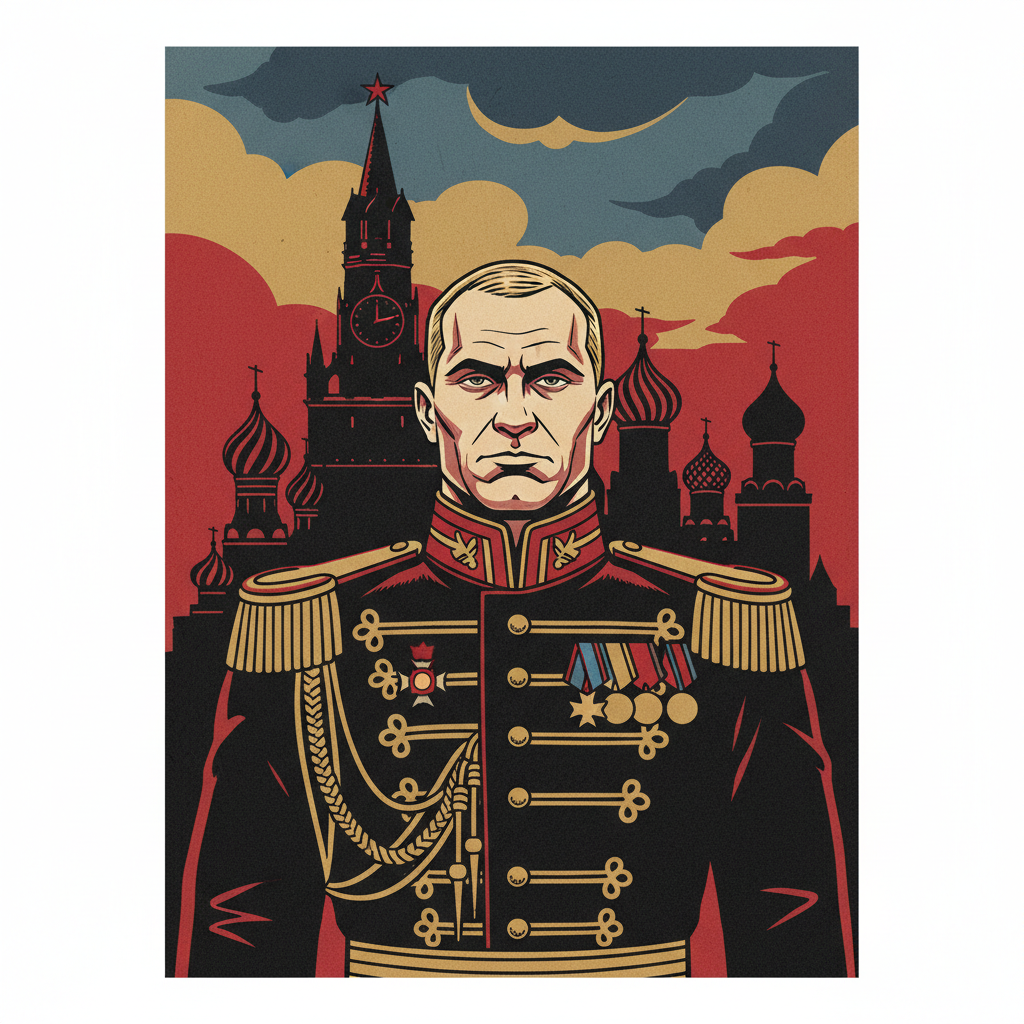
Putin's Enduring Authority and Geopolitical Stance
Vladimir Putin's leadership by May 2026 will likely reflect a sustained effort to project Russian strength and consolidate strategic gains, particularly concerning the conflict in Ukraine. GeoGazet tracking indicates Russia as Putin’s top connection with 72 tracked signals, underscoring the leader's primary focus on domestic stability and national strategic direction. His longevity in power, now exceeding Josef Stalin’s total time as Soviet leader, demonstrates an unparalleled ability to adapt and maintain authority within the Russian system.
The ongoing conflict with Ukraine remains a central feature of Putin's geopolitical strategy, registering 30 tracked signals for Ukraine and 4 for Missiles & Strikes. GeoGazet tracking signals indicate that Ukrainian defensive capabilities continue to challenge Russian objectives. For example, recent intelligence highlights that "Ukrainian Strikes Turn Crimea From Prize Asset to Liability for Putin," indicating the escalating costs and strategic vulnerabilities for Moscow in annexed territories. This situation puts pressure on Russia to adapt its military and defense strategies.
Strategic Alliances and Information Warfare
Putin’s interactions with key allies, such as Belarus, are crucial for maintaining regional stability and support. GeoGazet signals documented "Lukashenko and Putin Hold Unannounced Meeting Following Minsk Demands to Avoid War Involvement." This indicates the delicate balance Putin must maintain with allied nations, addressing their concerns about direct participation in the conflict while securing their strategic cooperation. These meetings reflect attempts to manage the wider geopolitical ramifications of Russia's actions.
Externally, Russia continues to engage in sophisticated information operations and diplomatic maneuvers. GeoGazet tracked signals suggesting a "Rubio-Lavrov Rift Reveals Moscow’s Blame-Shifting Strategy On Ukraine, Analysts Say." This indicates Moscow’s continued use of information warfare to deflect international criticism and shape narratives, a tactic historically employed by major powers to manage public perception during conflicts. The total tracked events in the GeoGazet graph, numbering 100, underscore the complex and multifaceted nature of the geopolitical environment Putin operates within.
What to Watch For Next
Observers should monitor several key indicators between now and May 2026. The trajectory of the conflict in Ukraine will remain paramount, specifically how Russia adapts to evolving battlefield dynamics and the impact of Western military aid. Developments in Russia's economic resilience under sanctions, the stability of key alliances, and potential shifts in the domestic power balance within Russia’s elite will also be critical. Any unforeseen events, such as significant internal dissent or dramatic escalations of external conflict, could alter the projected stability of Putin's leadership.