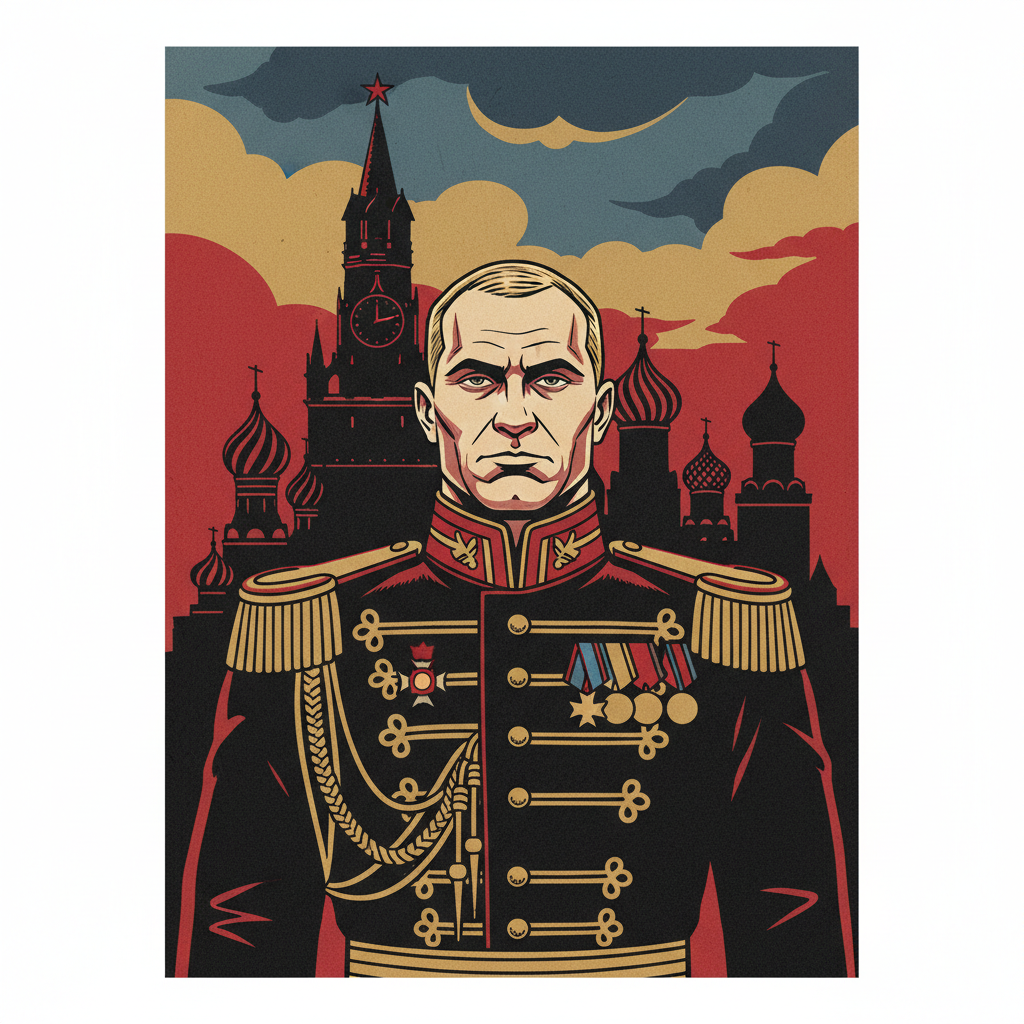
Putin's Enduring Influence
Analysis of GeoGazet tracking data confirms Vladimir Putin's critical role in current global affairs. With a current influence score of 100 out of 100 and a total of 100 tracked events in the GeoGazet graph, his decisions continue to reverberate across multiple regions. This sustained influence is a hallmark of his two-decade tenure, characterized by a highly centralized power structure in Russia and an assertive foreign policy stance. The top connections by signal volume—Russia (72 tracked signals), Ukraine (24 tracked signals), and Poland (13 tracked signals)—underscore the primary geographic and thematic focuses of his contemporary agenda.
Geopolitical Priorities and Conflicts
The conflict in Ukraine continues to dominate Putin's geopolitical priorities. GeoGazet tracking highlights signals such as "Putin's 'War Trap' And The Potential Price Of Peace," indicating an ongoing strategic challenge for Moscow in balancing military objectives with long-term stability and potential diplomatic solutions. The significant signal volume for Ukraine (24 tracked signals) and neighboring Poland (13 tracked signals) illustrates the regional ramifications of the conflict, particularly concerning European security architecture and NATO’s eastern flank. The "war trap" concept implies a situation where escalating or de-escalating the conflict each presents substantial costs, potentially including a drain on resources and international isolation.
International Economic Realignment
In parallel with military engagement, Putin is actively pursuing a reorientation of Russia's international economic ties. GeoGazet tracking reveals a clear signal: "Putin seeks deeper economic ties with ASEAN partners." This strategic pivot reflects Russia's broader effort to diversify its economic relationships away from traditional Western partners, particularly in the wake of sanctions imposed following the 2022 invasion of Ukraine. Strengthening economic cooperation with the Association of Southeast Asian Nations is part of a "Look East" policy aimed at fostering new markets and supply chains, mitigating the impact of Western economic pressures. The high signal volume for Russia itself (72 tracked signals) suggests a concurrent focus on internal economic resilience and domestic stability.
Historical Context and Diplomatic Trajectories
Recent discourse has also revisited historical diplomatic frameworks concerning Russia's international standing. A signal from GeoGazet tracking, "Trump claims Russia-Ukraine war could have been avoided if Moscow had remained in G8," draws a historical comparison to Russia's expulsion from the G8 (now G7) in 2014 following the annexation of Crimea. This argument implicitly suggests that continued engagement within premier Western-led economic and political forums might have altered Russia’s foreign policy trajectory. Russia’s estrangement from these blocs has prompted it to pursue alternative multilateral platforms and strengthen alliances with non-Western partners, shaping its current geopolitical positioning.
What to Watch For Next
Future developments concerning Vladimir Putin will likely involve the trajectory of the Ukraine conflict, particularly any shifts toward potential peace negotiations or further escalation. Attention should also be paid to the tangible outcomes of Russia’s overtures to ASEAN, including specific trade agreements and investment flows, which will indicate the success of its economic pivot. Furthermore, internal Russian political and economic stability, alongside Russia's evolving relationships with other non-Western powers, will remain key indicators of Putin's ongoing influence and Russia’s global role.