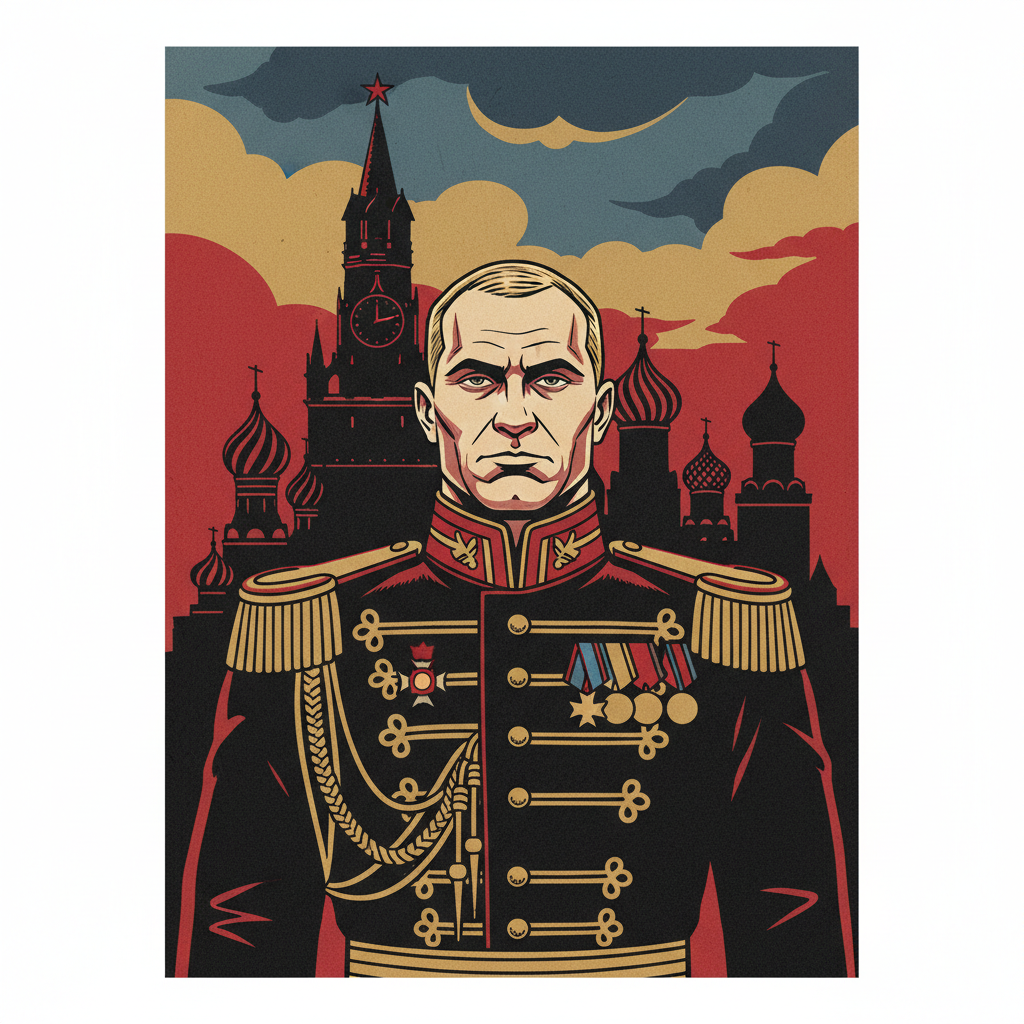
Current Geopolitical Landscape and Putin's Actions
The immediate geopolitical environment is largely defined by Russia's full-scale invasion of Ukraine. GeoGazet tracking indicates intense activity in this region, with 68 tracked signals related to Russia and 36 for Ukraine, out of 100 total tracked events in the GeoGazet graph. Recent intelligence from GeoGazet highlights Ukraine's escalating efforts to counter Russian occupation: "Ukraine intensifies attacks on Crimea to raise cost of Russian occupation" and "No Gas, No Summer Camps, Sporadic Power: Ukraine Escalates Crimea Attacks." These reports illustrate Ukraine's strategic aim to inflict significant economic and logistical costs on Russia, impacting civilian life in occupied territories and pressuring the Russian military.
Ukrainian President Volodymyr Zelenskyy has drawn stark historical parallels regarding the conflict. GeoGazet signals report "Zelenskyy draws parallels between Nazi Germany's invasion of USSR and Russia's war against Ukraine," framing the current conflict within the context of a struggle against expansionist aggression, similar to the Soviet Union's resistance against Nazi Germany during World War II. This historical comparison underscores the perceived existential threat Ukraine faces from the Russian Federation. While less prominent in signal volume, Indonesia also appears in GeoGazet tracking with 3 signals, suggesting a wider global monitoring of these interconnected international events.
Trump's Historical Stance and Potential Future Impact
Donald Trump's previous presidency was marked by a distinct approach to Russia and its leadership. His interactions with Vladimir Putin often deviated from traditional diplomatic norms, characterized by a stated desire for improved relations with Moscow and skepticism towards established alliances such as NATO. This historical posture is critical for analyzing the potential trajectory of US foreign policy should Trump assume the presidency again. Analysts frequently examine how a future Trump administration might alter support for Ukraine, given his past comments questioning the extent of US aid and his emphasis on "America First" policies.
His past skepticism towards NATO and his willingness to engage directly with Putin without extensive preconditions fueled debates about the solidarity of Western alliances and the future of collective security. While there are no current reports of direct communication or joint actions between Trump and Putin, the legacy of their relationship and Trump's stated foreign policy inclinations remain a significant variable in the ongoing conflict in Ukraine and broader international relations. The potential for a shift in US foreign policy under a future Trump administration could profoundly impact the strategic calculations of both Kyiv and Moscow.
What to Watch For Next
Future developments concerning the Trump-Putin dynamic will largely depend on upcoming US elections and the continued evolution of the war in Ukraine. Observers will closely monitor any statements from Donald Trump regarding Ukraine aid, NATO, and US-Russia relations. The intensity of Ukraine's counter-offensive, particularly in Crimea, as well as Russia's responses, will also shape the geopolitical landscape. Any significant shifts in US policy could dramatically alter the military and diplomatic calculus for both Kyiv and Moscow, affecting the conflict's duration and outcome.