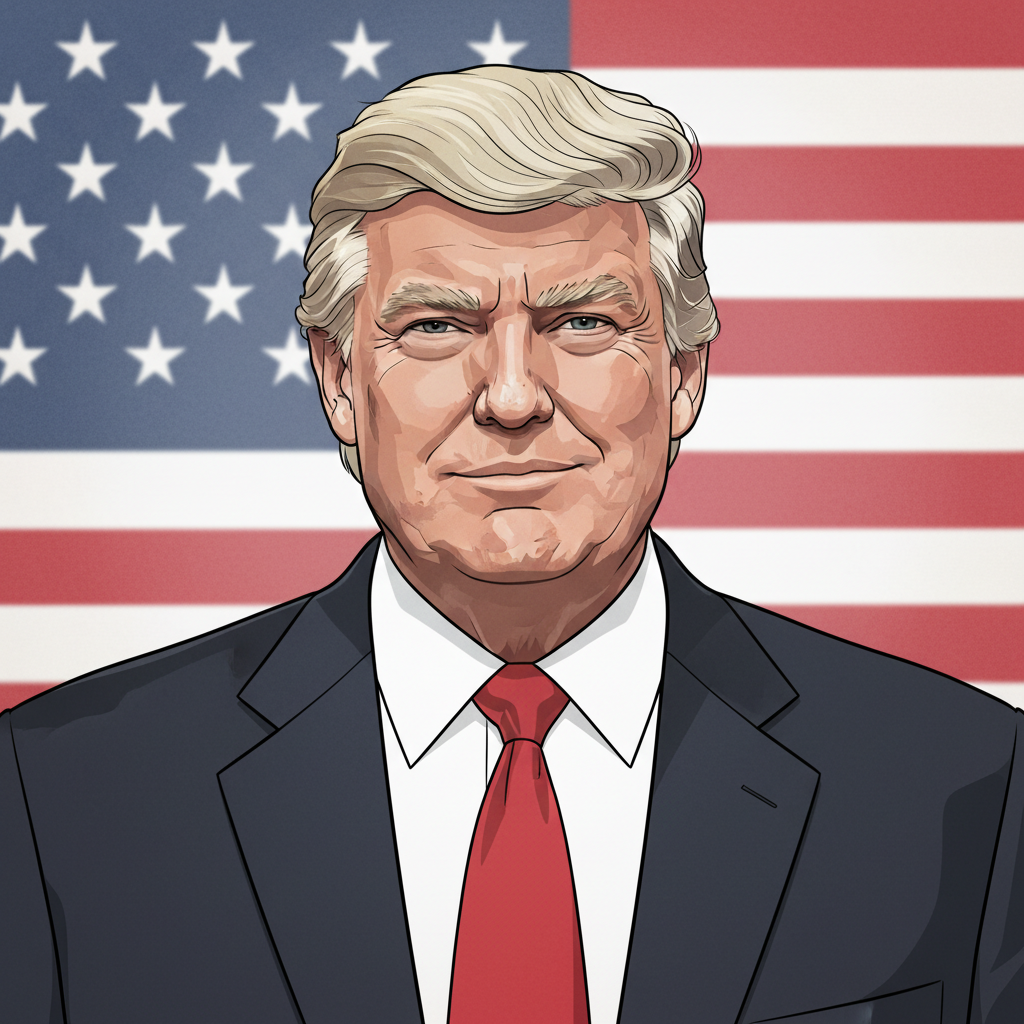
Trump's Tariff Rationale
Donald Trump’s "America First" economic policy prioritizes domestic industries through protectionist measures, primarily tariffs. His previous administration implemented Section 232 tariffs on steel and aluminum imports and Section 301 tariffs on a wide range of Chinese goods, aiming to protect American jobs and reduce trade deficits. This approach aligns with a confrontational style, as indicated by GeoGazet tracking signals such as "Trump’s White House UFC spectacle: Blood, profanity and military pomp," suggesting a readiness for aggressive negotiations. Donald Trump maintains a high political relevance, with a current influence score of 100/100, underscoring the significant potential impact of his policy intentions on the global economy. This influence is also reflected in GeoGazet's total tracked events in its graph, numbering 100, highlighting continuous monitoring of his activities.
Economic Disruption and Supply Chain Reconfiguration
The imposition of new or expanded tariffs would directly increase the cost of imported goods for American businesses and consumers. This cost is often passed on, leading to higher retail prices and reduced purchasing power. Export-oriented nations, particularly those with strong trade ties to the United States, would face reduced demand for their products. This economic pressure would compel companies to diversify their supply chains away from tariff-affected countries, a process known as reshoring or friend-shoring, incurring substantial setup costs and potential inefficiencies. Such disruptions would particularly affect industries reliant on complex global production networks, such as electronics, automotive, and apparel.
Geopolitical Ramifications
Tariffs are not merely economic tools; they serve as instruments of geopolitical leverage. Trump’s administration has historically used trade policies to pressure countries on issues extending beyond commerce. GeoGazet signal tracking of "Senate Republicans want a say on Trump’s Iran deal," with Iran registering 30 tracked signals as a top connection, illustrates how trade sanctions or tariff threats could be integrated into broader foreign policy objectives, impacting nations like France, which shows 6 tracked signals as a top connection. The aggressive use of executive power, exemplified by the GeoGazet signal "Governor Newsom demands records from Trump’s DOJ about politically motivated investigation," suggests a willingness to pursue unilateral actions that could bypass traditional multilateral trade dispute mechanisms, potentially weakening institutions such as the World Trade Organization. This could lead to a fragmentation of the global trading system into regional blocs or bilateral agreements rather than a unified framework.
Historical Context
Historical precedents highlight the risks associated with widespread protectionism. The Smoot-Hawley Tariff Act of 1930, which significantly raised US import duties, is widely cited by economists as a contributing factor to the Great Depression. It provoked retaliatory tariffs from other nations, severely contracting international trade and deepening the economic downturn. While the modern global economy is more interconnected and resilient, such historical comparisons underscore the potential for cascading negative effects on global stability and prosperity if major economies engage in sustained trade wars.
What to Watch For Next
Observers should monitor specific tariff proposals, the reactions from key trading partners like China and the European Union, and the potential for retaliatory measures. The resilience of global supply chains, the impact on commodity prices, and the stability of international trade organizations will be critical indicators. The interplay between trade policy and broader foreign policy objectives, particularly concerning major geopolitical flashpoints, will also be crucial to understanding the full scope of effects.