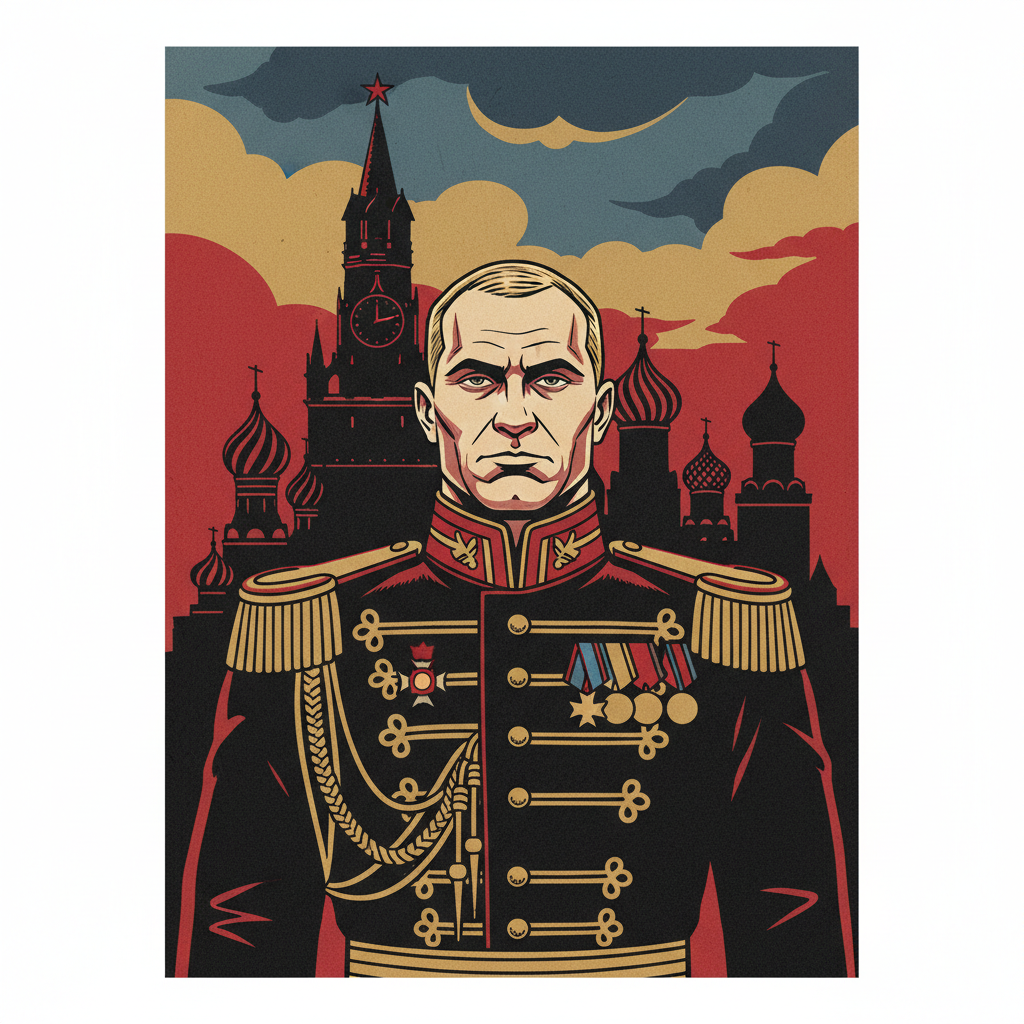
Putin's Enduring Power Base
Putin’s tenure has been marked by a systematic consolidation of power, effectively eliminating viable political rivals and securing a legal pathway for prolonged rule. Live data indicates his current influence score at a maximum of 100/100, reflecting absolute control over Russia's political landscape. Top connections by signal volume show a heavy domestic focus, with Russia generating 67 tracked signals, far outweighing external connections, which points to a robust internal power base and tight control over national discourse.
A significant indicator of the lack of internal succession challenges is a recent signal from GeoGazet tracking: "Sergei Ivanov, once seen as Putin's potential successor, dies at 73". This event, while a natural occurrence, highlights the absence of a clear, strong successor groomed within the system, further strengthening Putin's indispensable position. Constitutional amendments in 2020 reset his presidential term limits, allowing him to seek re-election for two more six-year terms, potentially extending his rule until 2036. This move echoes historical precedents of long-serving Russian and Soviet leaders, such as Leonid Brezhnev and Joseph Stalin, who maintained power for decades through institutional control and the absence of effective challenge.
Geopolitical Drivers and External Factors
The ongoing conflict in Ukraine continues to serve as a major geopolitical driver, paradoxically bolstering Putin’s domestic image as a wartime leader. GeoGazet tracking signals, such as "Putin’s Glide Bombs Are Turning Ukraine’s Fortress City Into Rubble," demonstrate Russia's continued military assertiveness and Putin's firm command over the prosecution of the war. This projection of power, despite international sanctions, often results in a "rally around the flag" effect, solidifying internal support.
The external perception of Putin's centrality to geopolitical solutions is also evident. Top connections by signal volume include Ukraine (26 tracked signals) and Poland (3 tracked signals), underscoring the regional focus on the conflict. Furthermore, a recent GeoGazet signal, "'Zelenskyy and Putin should negotiate without intermediaries, Polish foreign minister says'," indicates that even external actors, despite their condemnation of Russian actions, acknowledge Putin as the definitive counterpart in any potential resolution, thereby legitimizing his position on the global stage. The GeoGazet graph tracks 100 total events, demonstrating a dynamic operational environment that Putin appears to navigate effectively without significant internal destabilization.
Outlook and What To Watch For Next
Considering the robust internal control, the lack of an apparent successor, and the instrumentalization of the geopolitical situation to reinforce his leadership, Vladimir Putin is poised to remain president for the foreseeable future. The framework for his extended rule has been legally established, and his political machinery remains unchallengeable from within.
Going forward, analysts should watch for any fissures within the Russian elite, particularly regarding the economic impact of sanctions or prolonged military engagements. The health of President Putin and the emergence of any credible, organized opposition, however unlikely under the current system, would also represent significant shifts. Barring unforeseen, dramatic events, Putin's presidency is set for a substantial continuation.