সহজ শর্তে কোয়ান্টাম কম্পিউটিং কী
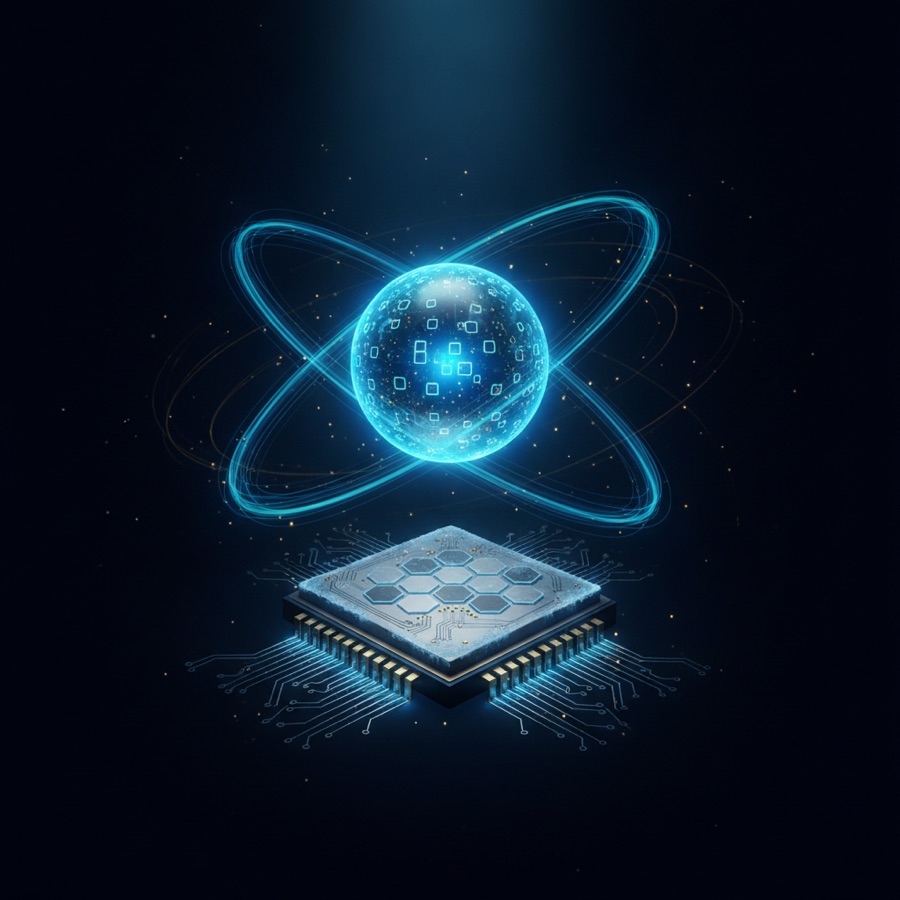
Quantum computers use quantum bits, or qubits, that exploit quantum mechanics to process information fundamentally differently than traditional computers.
While regular computers use bits that are either 0 or 1, qubits can exist in both states simultaneously, allowing quantum computers to solve certain complex problems exponentially faster.
সম্পূর্ণ প্রতিবেদন পড়ুনকম দেখান
Current Progress
Recent breakthroughs demonstrate accelerating development. Scientists achieved quantum teleportation by cracking a 25 year entanglement challenge, while new qubit designs are now 100 times less error prone in superfluid quantum computers. These advances address the primary obstacle: quantum systems are fragile and prone to errors.
Strategic Significance
The technology commands intense geopolitical focus, with 100 tracked events in major intelligence databases. The United States leads with 5 tracked signals, followed by China with 2, reflecting competition for quantum dominance. Financial markets have responded sharply, with Wall Street backing multiple quantum computing stocks identified as millionaire makers.