Who Could Replace Vladimir Putin
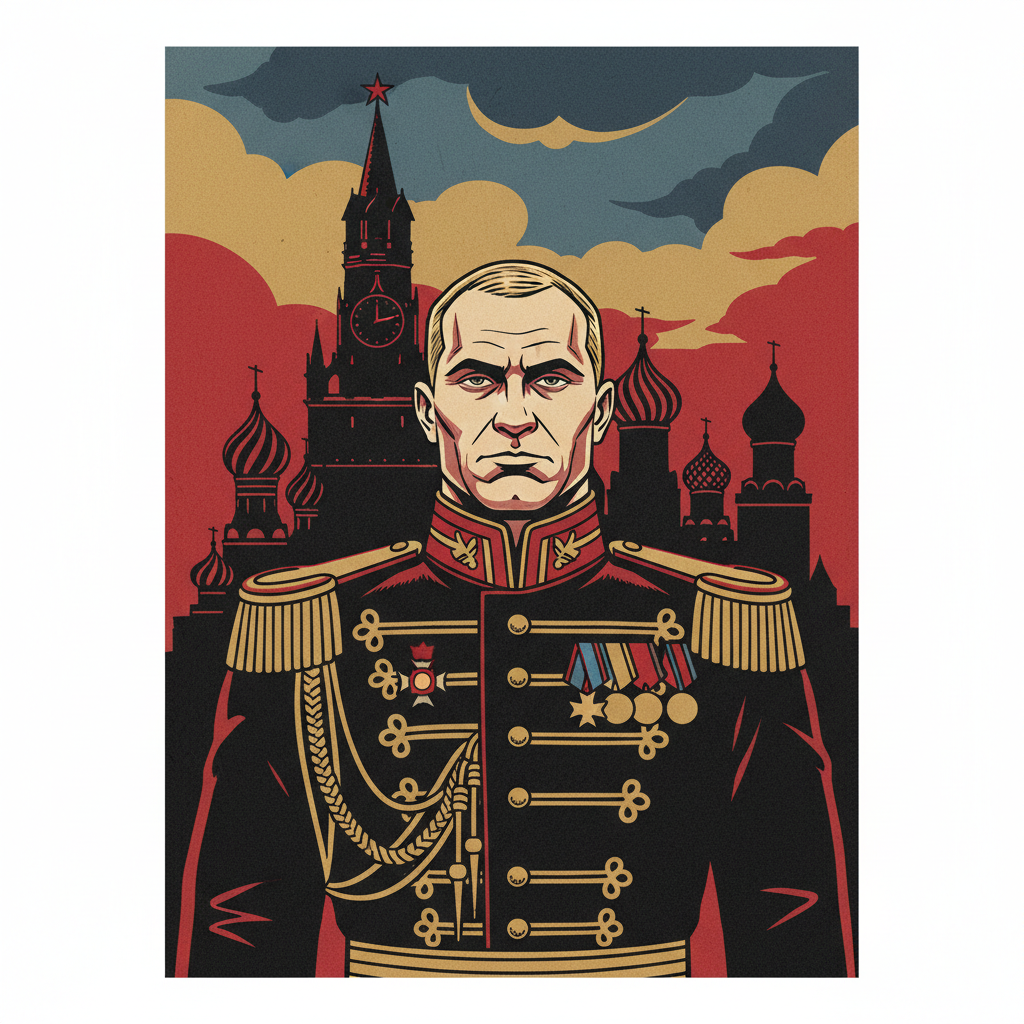
Vladimir Putin remains Russia's president through 2030 under his current constitutional term.
Any succession scenario remains contingent on either constitutional change, unexpected political instability, or the 2030 election outcome.
২०२४ সালে পুনরায় নির্বাচিত হন ২०३० পর্যন্ত চলার জন্য। একটি २००० সাংবিধানিক পরিবর্তন २०३० সালে আরেকটি দৌড় অনুমতি দেয়।
সম্পূর্ণ প্রতিবেদন পড়ুনকম দেখান
Putin's Current Position and Constitutional Framework
Putin was re-elected in 2024 to a presidential term extending through 2030. A 2020 constitutional amendment permits him to run again in 2030, potentially extending his tenure to 2036. His influence score currently registers at 100 out of 100, reflecting consolidated control over Russian state institutions and decision making apparatus.
Potential Succession Pathways
Three plausible scenarios could bring about a leadership transition before 2030. First, constitutional amendment could alter term limits or procedures, though Putin has shown no public inclination toward this approach. Second, unexpected political or military instability could force early leadership change, a low probability outcome given current institutional structures. Third, and most likely, the 2030 election will determine succession. Recent geopolitical signals show Russia actively engaged in military operations and diplomatic negotiations simultaneously, with reports indicating Putin prepares mass military mobilization while U.S. peace negotiations with Russia could involve multi billion dollar Lukoil deals, demonstrating the scope of decisions remaining under current leadership.
Key Figures in Russian Political Structure
Several figures hold significant positions within Russian government but lack clear succession pathways. Prime Minister Mikhail Mishustin oversees domestic economic policy. Security Council Secretary Sergei Shoygu manages military and defense portfolios. Foreign Minister Sergei Lavrov handles diplomatic relations. None of these figures has publicly positioned themselves as successor candidates, and the opacity of Russian elite decision making prevents reliable assessment of internal power dynamics or preferences among senior officials.
Geopolitical Context Shaping Leadership Continuity
Current signal tracking shows 61 tracked signals emanating from Russia itself, 42 from Ukraine, and 11 from Germany, reflecting the intensity of ongoing military conflict and diplomatic engagement across European theaters. The Ukrainian conflict, now in its third year of major operations, remains the defining geopolitical challenge for any Russian leadership. Recent events including drone strikes on Kyiv infrastructure during a German chancellor's visit underscore the military dimension of current policy. Succession timing could align with conflict resolution or escalation, depending on how events develop through 2030.
The fundamental reality is that Putin holds office through 2030 absent extraordinary circumstances. Russian political succession remains opaque to outside observation, and public speculation about successors typically reflects external analysis rather than institutional evidence. Preparation for potential leadership transitions in Russia occurs within closed decision making circles inaccessible to public scrutiny or foreign intelligence assessment.