هل سيستقيل عبد الفتاح السيسي؟تنتهي المدة: 2030
استخبارات GeoGazet· تم التحديث في ٢ أكتوبر ٢٠٢٦· دقيقة واحدة قراءة· 2.9 آلاف مشاهدة
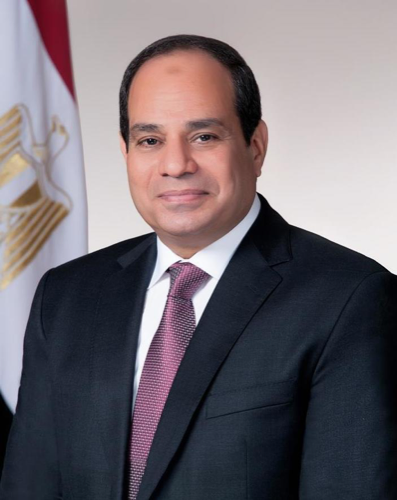
وقد أُبلغ عن المغادرة (حوالي 2030)، وهو ما يدعمه مصدران.
انتهاء الفترة: ٢٠٣٠.
آخر فحص في 24 أكتوبر 2026.
Track Abdel Fattah el Sisi
الحصول على البريد الإلكتروني عندما عبد فتحة السيسي الأرقام أو تغيير الوضع. في أي وقت.
التقاعد والخلافة
Departure reported around 2030
تم الإبلاغ عن الرحيل
وقد أُبلغ عن المغادرة (حوالي 2030)، وهو ما يدعمه مصدران.
المنصب
رئيس جمهورية مصر العربية · منذ ٢٠١٤
تنتهي الولاية
2030
مدّد تعديل عام 2019 الفترات الرئاسية وسمح له بالخدمة حتى عام 2030.
ولا يُبلَّغ عن المغادرة إلا عندما يؤكدها مصدران مستقلان أو أكثر؛ وتُستثنى من الأسئلة والمكالمات للاستقالة والشائعات القديمة. آخر فحص في 24 أكتوبر 2026.
اقرأ التقرير الكاملإظهار أقل
توقعات المدة الزمنية
مدّد تعديل عام 2019 الفترات الرئاسية وسمح له بالخدمة حتى عام 2030.
كيف يتم تتبع هذا
GeoGazet يفحص عدة منافذ إعلامية للتقارير المتعلقة بالتقاعد والاستقالة وخطط الخلافة ويصنفها كرحيل معلن أو إنكار من الشخص أو حديث نشط عن الخلافة أو عدم وجود إشارة. يُعتبر الرحيل معلناً فقط عندما تقدّم مصدران مستقلان أو أكثر تقارير عنه. يتم ربط كل تقرير، وتسجل هذه الصفحة آخر وقت تم فيه التحقق منها.
تابع السيسي مباشرة.يُنشر كل تحديث على قناتنا على تلغرام.
انضم على تلغراممراجعات القراء
لا توجد مراجعات بعد. كن أول من يشارك رأيه.