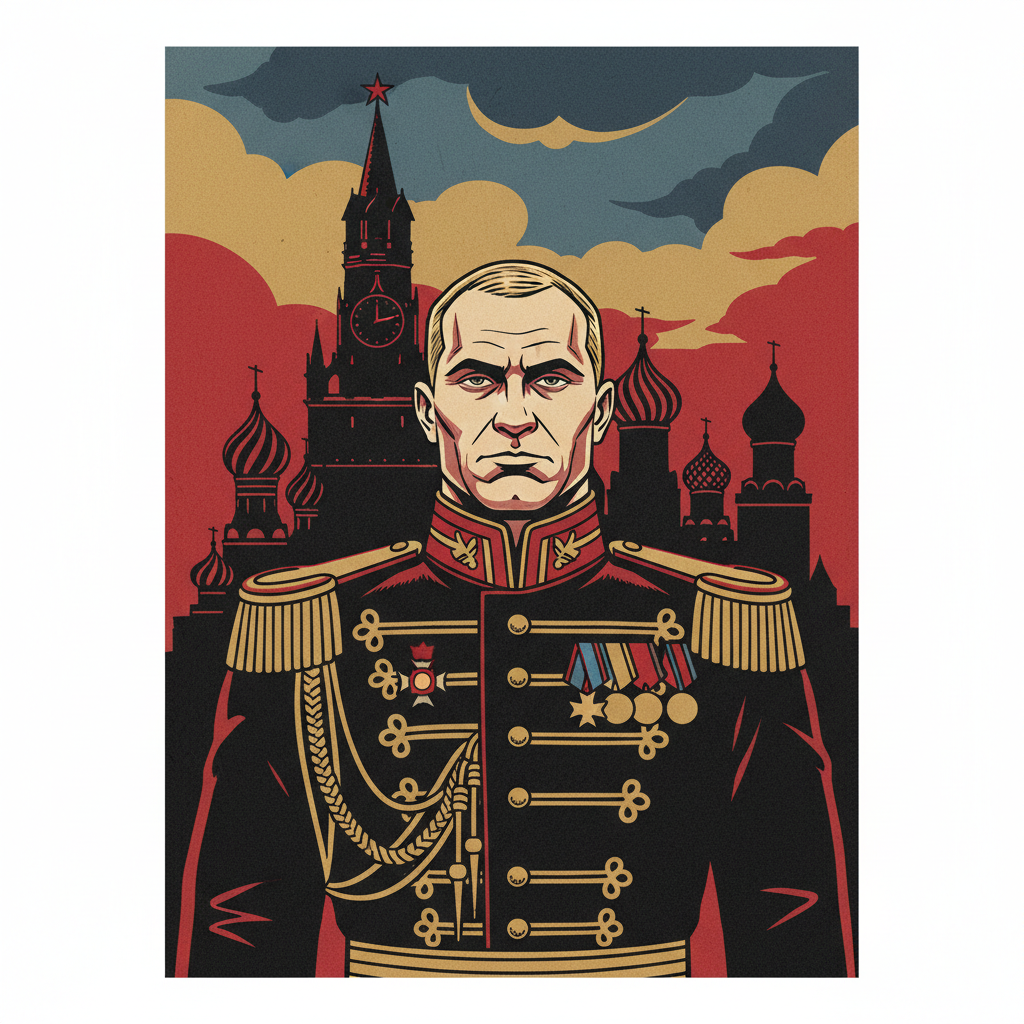
Vladimir Putin is scheduled to remain President of Russia until 2030.
A 2020 constitutional amendment also permits him to seek re election again in 2030, offering a pathway for an extended tenure.
أُعيد انتخابه في عام 2024 لولاية تمتد حتى عام 2030. يسمح تغيير دستوري في عام 2020 بترشحه مرة أخرى في عام 2030.
Vladimir Putin is constitutionally slated to serve as President of Russia until his current term concludes in 2030. He was re elected in 2024 for a six year term, solidifying his position. This period builds upon the legal framework established by a 2020 constitutional amendment, which effectively reset his previous presidential term limits. The amendment specifically permits him to run for two additional six year terms after his current mandate, providing a clear legal pathway for Putin to potentially remain in power until 2036, or even beyond, should he choose to seek re election in 2030.
Domestically, Putin exhibits a comprehensive command over Russia's political apparatus, reflected by his robust influence score of 100 out of 100. His administration actively navigates both internal affairs and critical international engagements. GeoGazet tracking shows Russia as the top connection by signal volume with 66 tracked signals, indicating persistent governmental focus on national cohesion and strategic direction. However, challenges persist, as highlighted by recent signals like "Putin rejects mobilization rumors, many Russians unconvinced," suggesting a need for constant messaging to maintain public confidence amidst ongoing geopolitical strains, even as the overall apparatus remains firmly under his direction.
Foreign policy, particularly concerning Ukraine, remains a central driver of Putin's tenure and Russia's international standing. Ukraine registers 51 tracked signals in GeoGazet data, second only to Russia itself, underscoring its continued prominence in Moscow’s agenda. Events such as "Putin and Trump Discuss Ukraine as Russian Strikes Continue" demonstrate Russia's active role in the conflict, while signals around "Peace & Ceasefire" (12 tracked signals) reflect ongoing diplomatic efforts, however nascent. The continuous "Russian Offensive Campaign Assessment, September 8, 2026" further illustrates the enduring military engagement that profoundly shapes Moscow's international posture and its leader's immediate and long term objectives.
Based on current trends and the established legal provisions, a continuation of Putin's presidency past 2030 appears highly probable, assuming no unforeseen health issues or significant internal upheavals occur. The absence of any publicly visible successor with comparable authority or a well defined succession plan further reinforces this outlook for continuity. While the constitutional framework allows for extensive future tenure, the evolving geopolitical landscape, domestic economic conditions, and public sentiment, particularly regarding issues like military mobilization, will remain critical determinants of his long term political viability. The total tracked events in the GeoGazet graph, numbering 100, attest to the dynamic environment he navigates.