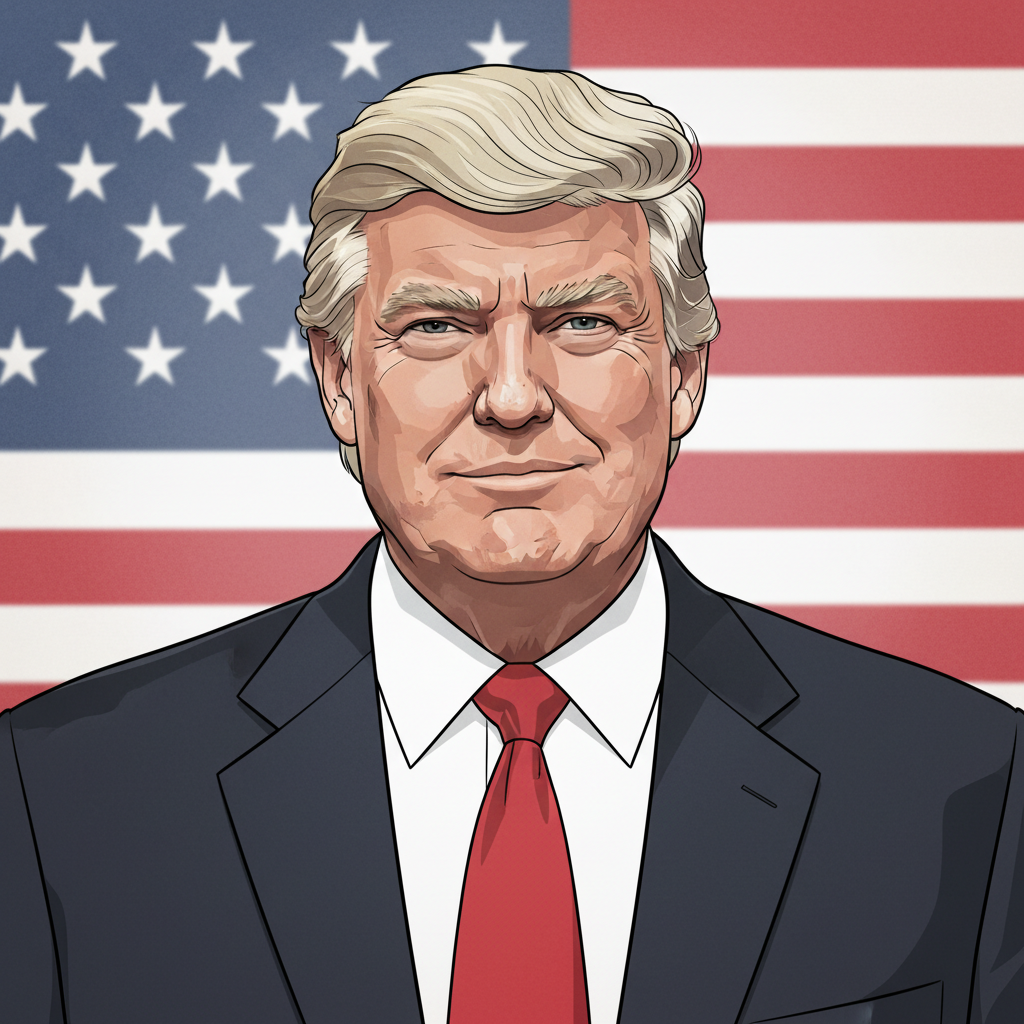
Donald Trump continues to shape the global geopolitical landscape through his policies and pronouncements, maintaining a high level of activity across both domestic and international fronts. This era of his presidency marks a departure from traditional diplomatic norms, favoring direct engagement and often leveraging economic and military threats to achieve strategic objectives. His administration's actions are closely scrutinized, with significant implications for international relations, trade, and regional stability.
Domestic Focus and International Impact
A defining characteristic of President Trump's tenure is the interwoven nature of domestic concerns and their international reverberations. While foreign policy occupies significant bandwidth, the administration frequently draws attention to internal matters, demonstrating a holistic approach to national governance. For instance, GeoGazet tracking indicates: "Violent Juneteenth weekend in Chicago catches attention of President Trump." This highlights a presidential focus on domestic stability and law and order, which, in turn, can be interpreted by international observers as either a demonstration of internal strength or a distraction from global challenges. The United States remains a central point of activity for the administration, registering 6 tracked signals among top connections by signal volume, reflecting the internal priority given to national affairs.
Geopolitical Posturing: Iran and Oil
The administration's stance towards Iran represents a critical pillar of its foreign policy. This relationship is characterized by intense pressure and recurring threats, shaping global energy markets and regional security dynamics. GeoGazet tracking explicitly notes: "Oil rises after Trump threatens fresh strikes on Iran, overshadowing peace talks" and "As Vance meets top Iranian officials in Switzerland, Trump threatens Tehran from afar." These signals underscore a strategy of maximal pressure, where the threat of military action is used as leverage, even amidst diplomatic overtures. Iran is by far the top connection by signal volume, with 39 tracked signals, indicating the immense strategic importance and frequent engagement on this front. This approach contrasts sharply with previous administrations that often favored multilateral negotiations and de-escalation, drawing historical parallels to Cold War-era brinkmanship but with contemporary economic instruments.
Key Alliances and Global Dynamics
While adversarial relationships draw significant attention, President Trump’s administration also navigates traditional alliances and partnerships, albeit often with a transactional approach. The United Kingdom, with 8 tracked signals, remains a top connection by signal volume, reflecting the enduring "special relationship" and shared interests, particularly in trade and security. However, the nature of these alliances has seen shifts, with increased demands for burden-sharing and a reassessment of multilateral commitments. This reevaluation of global partnerships signifies a broader recalibration of United States foreign policy, moving away from a strictly multilateral framework towards one centered on direct bilateral deals and perceived national advantage.
What to Watch For Next
Observers should monitor the interplay between domestic policy and international relations, particularly how internal developments influence foreign policy decisions. The ongoing situation with Iran and the potential for escalation or de-escalation will remain a critical watchpoint, given its impact on global oil prices and Middle Eastern stability. Additionally, attention should be paid to the evolving nature of alliances, as the administration continues to redefine its engagements with key partners and adversaries alike.