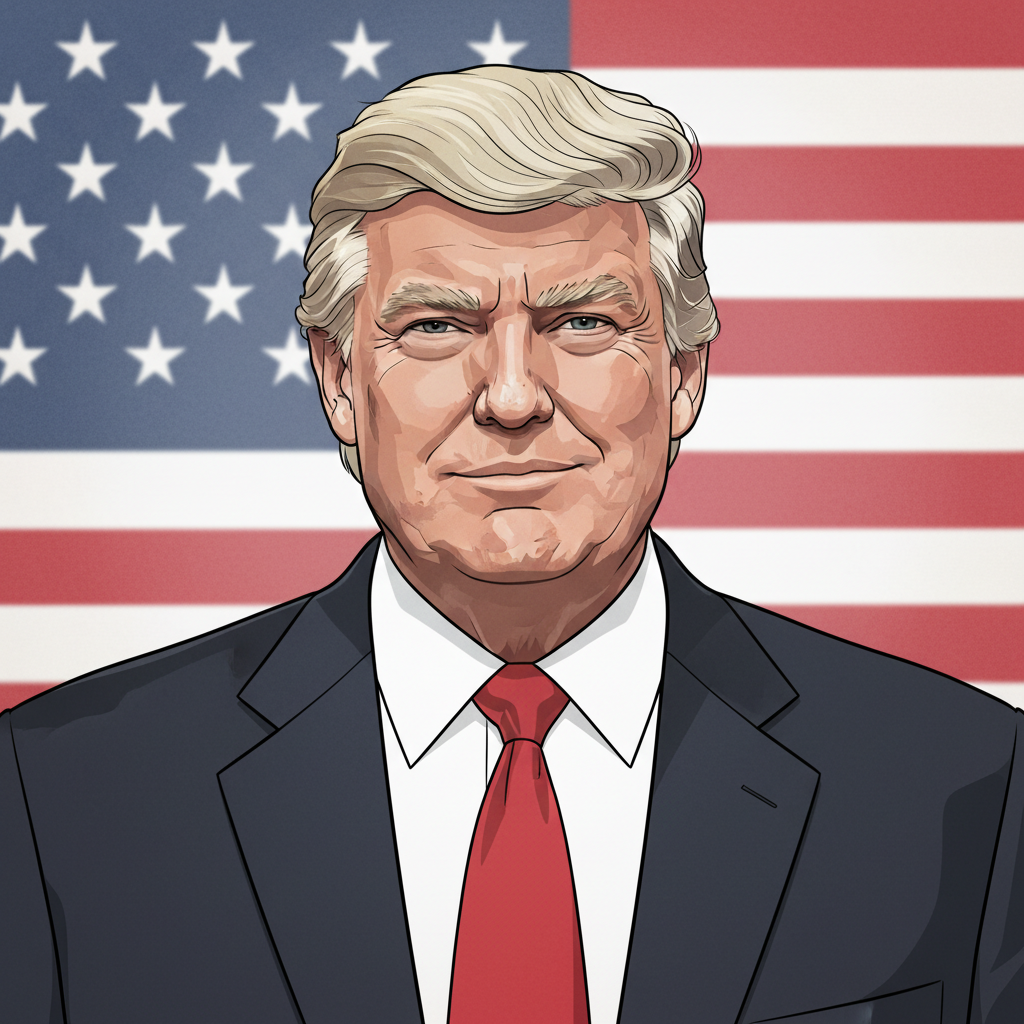
Context of a Potential Second Term
The U.S. presidential election cycle dictates that a president serves a four-year term. The 22nd Amendment limits an individual to two terms in office. Should Donald Trump win the 2024 presidential election, his second term would commence on January 20, 2025, and would constitutionally conclude on January 20, 2029. This scenario would mark only the second time in U.S. history that a president served non-consecutive terms, the first being Grover Cleveland in the late 19th century.
Geopolitical Standing and Influence
Despite not holding office, Donald Trump maintains a significant global presence. GeoGazet tracking reports his current influence score at 100/100, indicating a high level of continued relevance in international affairs and domestic discourse. This sustained influence is further underscored by the volume of tracked signals, which identify his top connections as Iran (28 tracked signals), the United States (15 tracked signals), and Elections (5 tracked signals). These connections highlight his ongoing engagement with critical foreign policy issues, domestic political dynamics, and electoral processes. The total tracked events in the GeoGazet graph, numbering 100, provide a quantitative measure of his activity and impact across various domains.
Policy Footprint and Future Directions
Recent signals from GeoGazet tracking offer insight into the enduring impact of his past policies and potential future directions. For instance, a signal titled "Iran war live: Trump claims Tehran deal ‘approved’, cancels new strikes" demonstrates his continued commentary on sensitive international security matters, even outside the executive branch. This reflects his persistent engagement with geopolitical flashpoints that characterized his first administration. Domestically, the signal "Appeals court rules Trump’s 10 percent global tariff can stay, for now" illustrates the lasting legal and economic implications of his trade policies, indicating that some of his prior decisions continue to shape the U.S. economic landscape. Furthermore, the signal "‘Attack on democracy': Trump threatens DC home rule pending mayoral election" indicates his willingness to intervene in local governance, a characteristic that might extend into a potential second term.
Historical Precedents and Outlook
Historically, presidential second terms often present unique challenges and opportunities, frequently marked by efforts to consolidate legacies or address unresolved issues. The rare instance of a non-consecutive second term, as seen with Grover Cleveland, adds an additional layer of historical comparison regarding a potential return to office after a hiatus. Should Donald Trump secure a second term, the focus would likely shift to the implications for U.S. foreign policy, particularly concerning alliances, trade agreements, and relations with key adversaries, as well as domestic policies related to immigration, energy, and regulatory frameworks.
What to Watch For Next
The trajectory of the 2024 U.S. presidential election remains the primary factor determining the prospect of a second Donald Trump term. Observers should closely monitor electoral developments, including primary contests, general election campaigning, and public opinion trends. Beyond the election, potential policy platforms, proposed cabinet appointments, and international reactions to a hypothetical second Trump administration will provide crucial indicators of future geopolitical shifts and the nature of U.S. leadership on the global stage.