Origins and Escalation
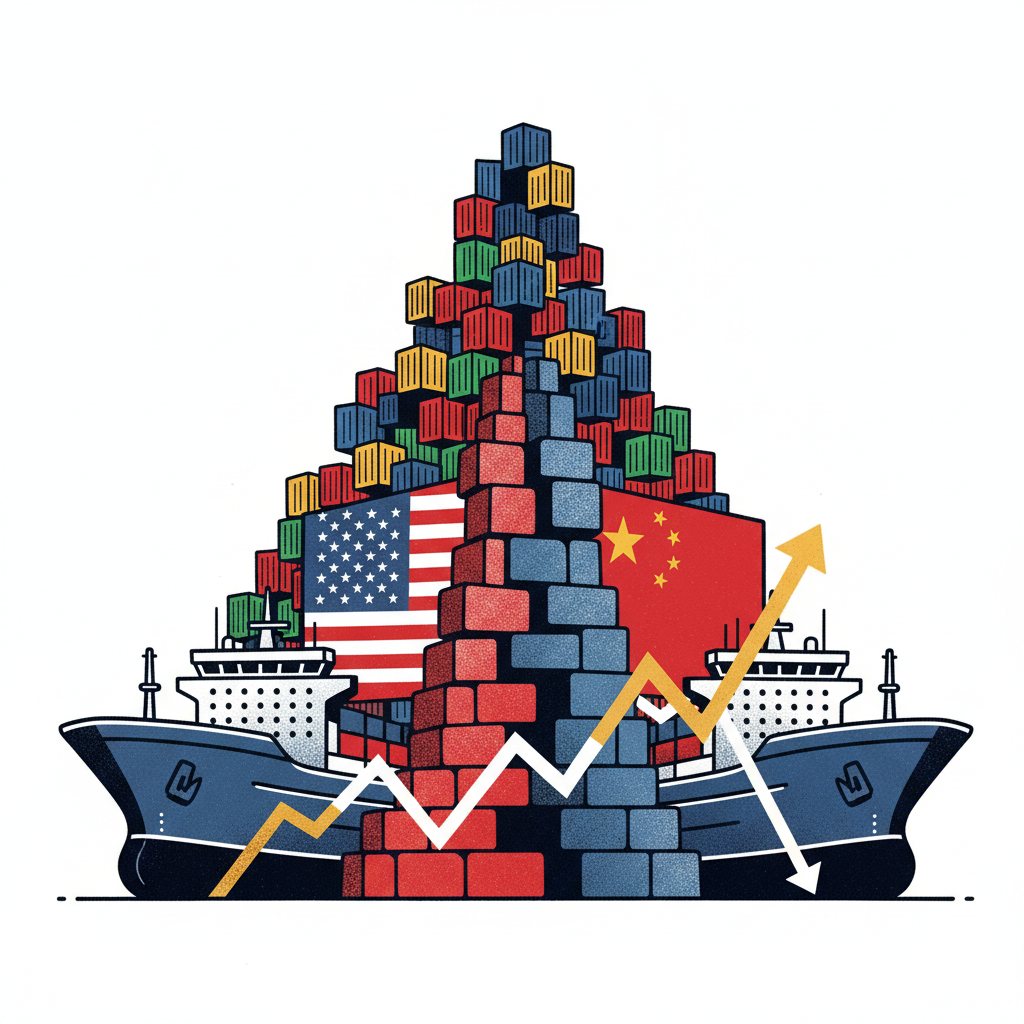
The trade war stemmed from longstanding grievances regarding China's trade practices, including intellectual property theft, forced technology transfers, state subsidies, and a persistent trade imbalance. The US administration argued these practices created an unfair playing field for American businesses. Following the initial July 2018 tariffs, both nations steadily escalated duties, broadening the scope to include hundreds of billions of dollars worth of goods. This tit-for-tat imposition of tariffs impacted various sectors, from agriculture and manufacturing to technology.
The conflict represented a shift from traditional diplomatic and economic engagement to a more confrontational approach, signaling a new era in US-China relations. The geopolitical landscape was increasingly defined by this economic rivalry, reflecting broader competition in areas such as technological dominance and strategic influence.
Economic Impact and Current Geopolitical Situation
The tariffs introduced significant uncertainty into global supply chains and capital markets. Businesses on both sides faced increased costs, leading to price adjustments, sourcing diversification, and, in some cases, production relocation. While the immediate intensity of the trade war has somewhat diminished, indicated by a current influence score of 24/100, the foundational issues and policy ramifications endure. According to GeoGazet tracking, "Tariffs & Trade" remains a highly active area of analysis with 82 tracked signals, significantly outranking general signals for "China" (38 tracked signals) and "United States" (14 tracked signals), highlighting its continued relevance in geopolitical discourse.
The trade conflict also underscored the growing interdependence and vulnerabilities within the global economy. Companies sought to mitigate risks by reconsidering their reliance on single-country supply chains, a trend further exacerbated by subsequent global events.
Recent Developments and Evidence
The legacy of the trade war continues to shape contemporary trade policy and legal challenges. GeoGazet tracking reveals ongoing discussions surrounding tariff impacts, as evidenced by signals such as "Trump’s Replacement Tariffs Will Have Unintended Consequences for USMCA" and "Trump's Tariffs, Government Revenue, and the Cost of Living: The Case of Food and the Agricultural Tariff Exemptions." These indicate a sustained focus on the broader implications of protectionist measures. Furthermore, the ongoing legal challenges surrounding tariff implementations, such as the "US appeals court extends block on ruling against Trump's 10% global tariff," underscore the continued complexities and legal ramifications stemming from this protectionist period. GeoGazet's comprehensive graph of "Total tracked events: 100" related to these issues highlights the depth and breadth of the ongoing analysis.
What to Watch For Next
The US-China trade relationship remains a critical axis of global geopolitics. Future developments will likely involve continued efforts by both nations to secure economic advantages, potentially through targeted subsidies, export controls, and strategic investments in critical technologies. The lingering effects of the initial tariffs, coupled with new trade policies, will influence global supply chain resilience, inflation, and international cooperation. Observing the evolution of trade agreements, technological decoupling efforts, and shifts in global manufacturing will be key to understanding the trajectory of this enduring rivalry.