Historical Context and Evolution
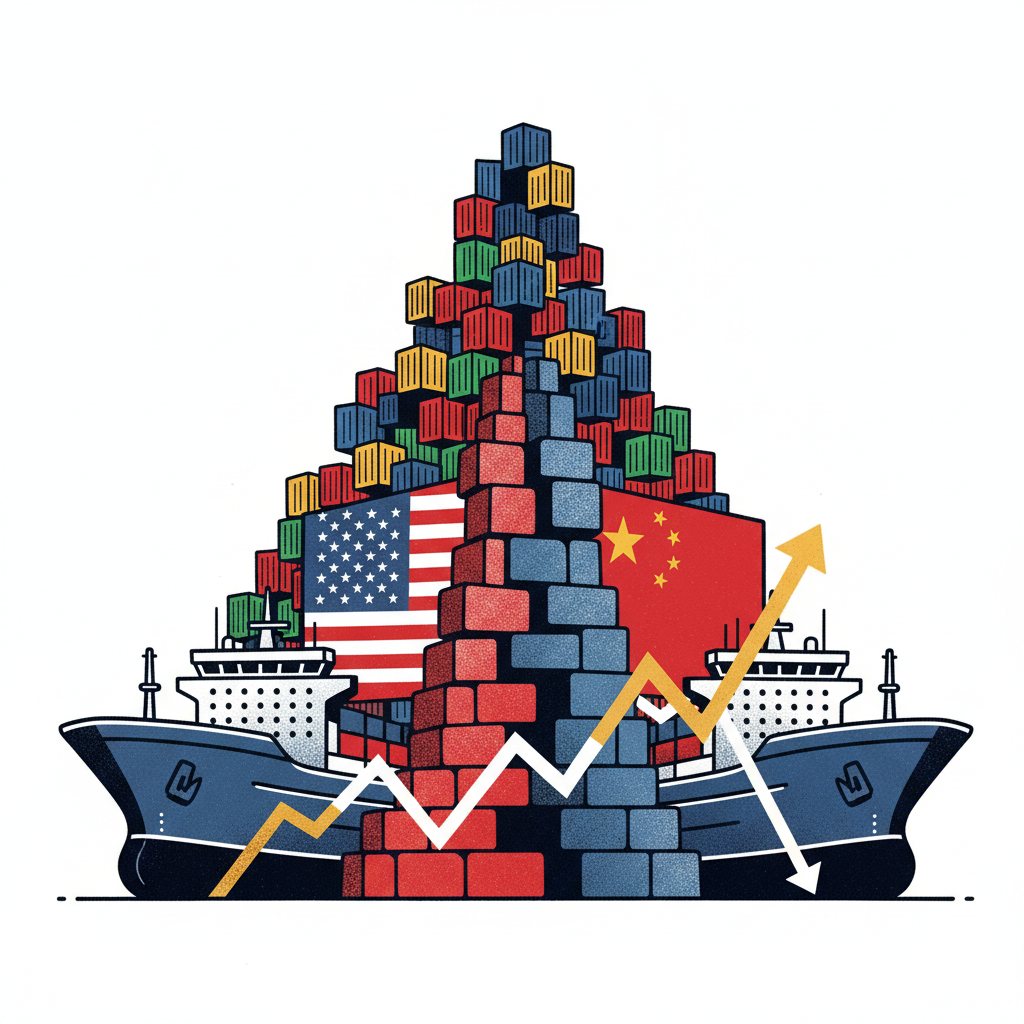
The trade war commenced in 2018 with the United States imposing tariffs on Chinese imports, citing intellectual property theft, forced technology transfer, and a substantial trade deficit. These actions were frequently based on Section 301 of the Trade Act of 1974, though some tariffs, such as those impacting steel and aluminum, invoked Section 232 of the Trade Expansion Act of 1962, framed as national security measures. Historically, this marked a departure from decades of US policy that largely promoted economic engagement with China, shifting towards a strategy of confrontation and economic decoupling. While the Biden administration has re-evaluated some aspects of the bilateral relationship, many of the Trump-era tariffs remain in place, signaling a broad bipartisan consensus in Washington regarding the need for a tougher stance on China's trade practices.
Current Geopolitical Landscape
The current geopolitical situation reflects a deepening strategic rivalry between the United States and China, extending beyond traditional trade imbalances to encompass technological supremacy, supply chain resilience, and regional security concerns. Platforms like GeoGazet consistently track this dynamic, indicating a current influence score of 12/100 for related events, suggesting a moderate but persistent level of global impact. The top connections by signal volume underscore the central themes: "Tariffs & Trade" leads with 84 tracked signals, followed by "China" with 47 tracked signals, and "United States" with 17 tracked signals, illustrating the primary actors and mechanisms of this ongoing dispute.
Recent Developments and Data Analysis
Recent signals from GeoGazet tracking further highlight specific areas of contention and the persistent nature of these economic hostilities. One signal, "Tracking the Impact of the Trump Tariffs & Trade War," confirms the ongoing analysis of these original measures. More pointedly, "China urges US to immediately withdraw Section 232 tariffs on drones" and "China urges US to immediately withdraw drone tariffs" demonstrate specific points of recent friction, involving targeted technology sectors. An expert warning that these tariffs could backfire on US users is also noted in these signals, indicating the complex economic consequences. With a total of 100 tracked events in the GeoGazet graph, the volume of related incidents signifies the multifaceted and continuous nature of the US-China economic rivalry.
Outlook
The trajectory of the US-China trade war remains uncertain, characterized by intermittent negotiations, retaliatory actions, and a broader strategic competition. Both nations are engaged in efforts to de-risk their supply chains and reduce dependencies, which could lead to further economic fragmentation. Future developments will likely involve continued debates over specific tariffs, especially those targeting advanced technologies, and potential new trade policies aiming to bolster domestic industries.
What to watch for next: Future policy announcements from either the US or China regarding tariffs, particularly those affecting critical technologies or emerging industries, will be crucial. Furthermore, the outcomes of any bilateral trade discussions and the broader impact of global supply chain reconfigurations will provide key indicators of the trade war's evolution.