Context of Power
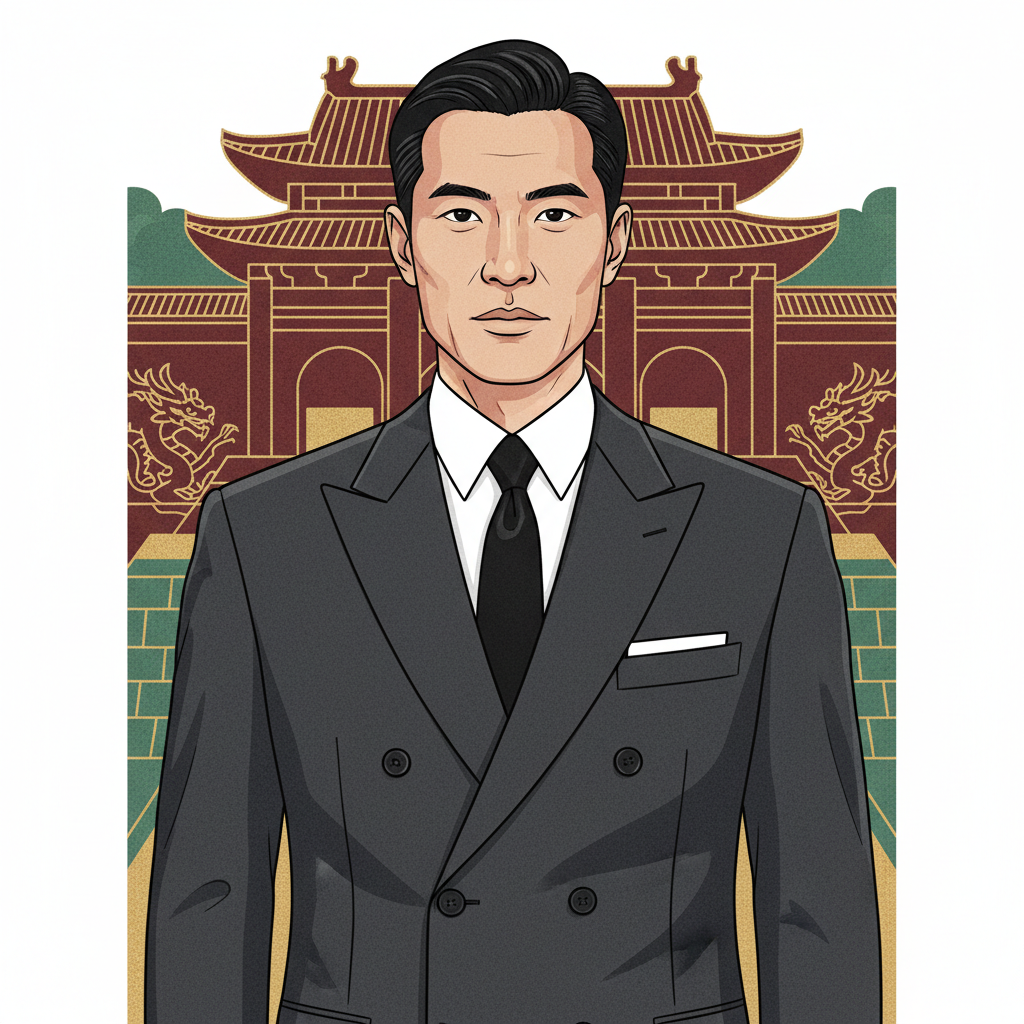
Xi Jinping ascended to power as General Secretary of the Chinese Communist Party in 2012 and President in 2013, systematically dismantling previous norms of collective leadership and term-limited governance. His current influence score stands at an exceptional 100/100, indicating a complete command over the levers of state and party power. This score is buttressed by signals such as the recent GeoGazet tracking report, "Importance of founding ideals stressed," which underscores a persistent ideological campaign to legitimize and reinforce the Party's, and by extension Xi's, authority. This ideological emphasis contributes to a political environment where challenges to his leadership are highly improbable.
Geopolitical Dynamics
Under Xi's leadership, China has adopted a more assertive stance on the global stage. GeoGazet tracking indicates China as a top connection with 69 tracked signals, reflecting its extensive engagement and influence. Regional tensions, particularly concerning Taiwan, are a defining characteristic of this era. GeoGazet recorded 9 tracked signals related to Taiwan, including the recent report, "Taiwan not ‘provoking’ China, hopes new US arms sale package can be approved soon, president says." This highlights the ongoing military and diplomatic competition with the United States over the island's status. Furthermore, interactions with North Korea remain significant, with 6 tracked signals. One notable signal, "Trade workers face China watch | Daily NK | North Korea News," suggests China's persistent monitoring and influence over its northeastern neighbor, reflecting its strategic regional interests. The total tracked events in the GeoGazet graph amount to 100, illustrating the complex and numerous geopolitical activities centered around China under Xi's leadership.
Historical Precedent and Current Trends
Historically, Chinese leaders post-Mao Zedong adhered to a system of two five-year terms for the presidency, established by Deng Xiaoping to prevent a return to one-man rule and ensure orderly succession. This norm was broken in 2018 with the constitutional abolition of term limits, effectively paving the way for Xi to rule indefinitely. His current trajectory mirrors the long-term, highly centralized leadership seen during the Mao era, rather than the more collective model of Jiang Zemin or Hu Jintao. This shift represents a profound departure from the post-Deng era's institutionalization of power transfer and emphasizes a personalized leadership model.
What to Watch For
Monitoring for potential shifts in Xi Jinping's power requires observing several key indicators. Internal political challenges or dissent remain largely opaque but significant. Economic performance, particularly as China navigates global headwinds, could impact internal stability. Signs of health issues or a sudden, unexpected political event would be critical. The absence of a clear successor within the Party structure suggests his intention for a continued, long-term tenure, making any succession-related developments crucial watch points.