Current Geopolitical Footprint
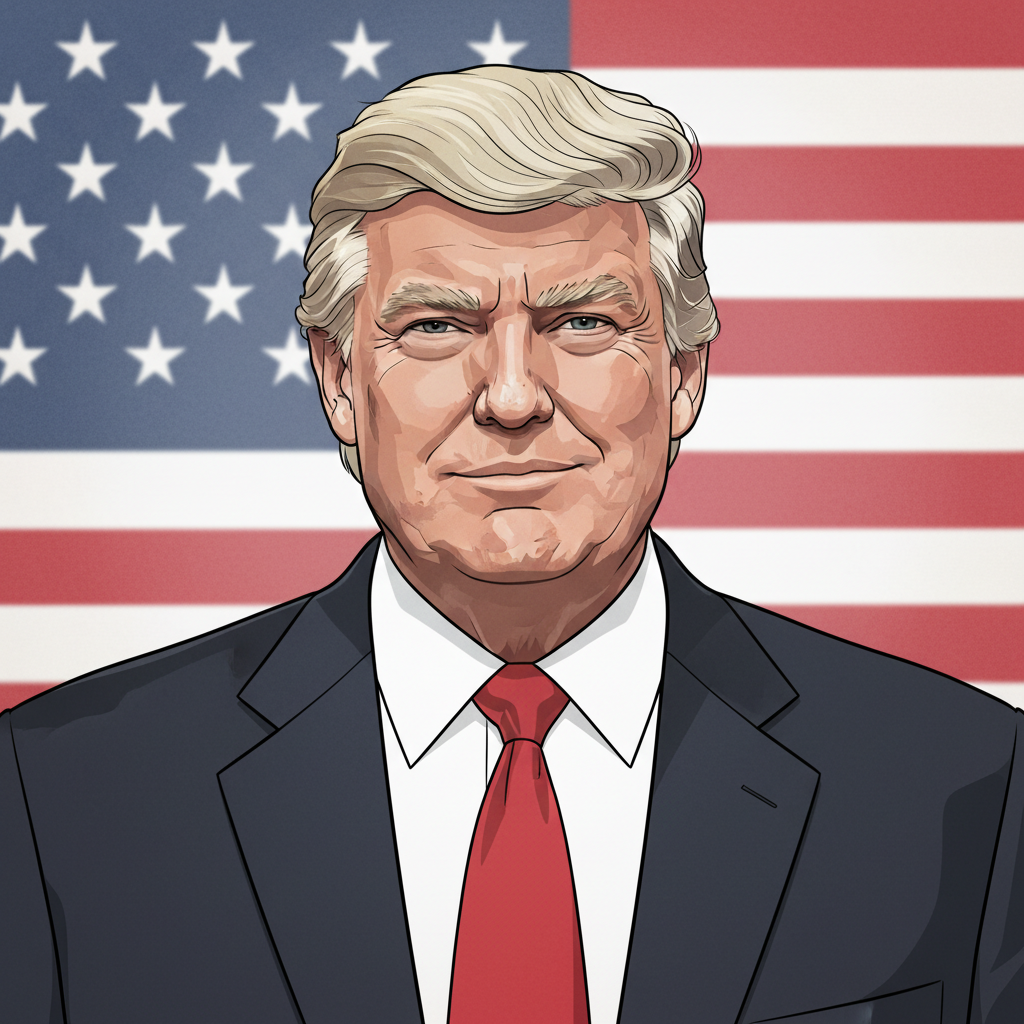
Donald Trump maintains an exceptional influence score of 100/100, according to current intelligence analysis, indicating a pervasive and significant impact on global events and discourse. This high score reflects a consistent ability to shape headlines and policy debates even when not holding office. The sheer volume of engagement is underscored by a total of 100 tracked events in the GeoGazet graph, reflecting the breadth of his international footprint and the ongoing attention his statements and potential actions garner.
Key Areas of Focus and Potential Trajectories
Analysis of signal volume from GeoGazet reveals his top connections include Canada (20 tracked signals), Tariffs & Trade (20 tracked signals), and Iran (16 tracked signals). These areas highlight consistent themes in his geopolitical approach and offer insight into potential future initiatives.
Regarding Canada and Tariffs & Trade, the equal volume of tracked signals indicates a strong potential for a renewed focus on trade re-negotiations and the implementation of tariffs, consistent with his "America First" economic nationalism previously applied to allies and adversaries alike. This approach historically aimed to rebalance trade deficits, often leading to strained diplomatic relations, as seen with steel and aluminum tariffs during his presidency.
Iran represents a critical flashpoint, reflected by its high signal volume and recent tracking data. GeoGazet tracking indicates a critical focus on the Middle East, with recent signals such as "The Trump administration's ‘only’ option is escalation after US servicemembers deaths, some critics argue." This sentiment aligns with a historical pattern of swift, decisive responses to perceived threats or attacks against US personnel. Further, the signal "US military launches further strikes on Iran after Trump says Tehran ‘will pay’ for killing soldiers – Middle East crisis" points to a direct correlation between his past rhetoric and potential future military actions. The observation that "Trump enters an uncertain moment in Iran war that threatens to become a quagmire" highlights the complex and perilous nature of military engagement in the region, drawing parallels to previous US involvements in protracted Middle Eastern conflicts.
Historical Precedent and Distinctive Approach
Trump's "prediction ball" is often characterized by a distinctive approach that prioritizes bilateral agreements, challenges multilateral institutions, and frequently employs economic leverage. His foreign policy during his presidency often diverged from traditional diplomatic norms, favoring direct communication and a transactional style. This approach, while unpredictable to some, has shown consistency in certain core tenets: an assertive posture against perceived adversaries, a willingness to question long-standing alliances, and a strong focus on domestic economic benefits derived from international relations. Historically, this has translated into abrupt policy shifts, such as the withdrawal from the Iran nuclear deal (JCPOA) and the Paris Climate Accord, setting precedents for a willingness to dismantle existing international frameworks.
What to Watch For Next
Observers should closely monitor developments in US domestic politics, particularly the upcoming electoral cycle, as it significantly impacts the feasibility and direction of any future Trump foreign policy. Key indicators will include shifts in rhetoric concerning NATO, China, and the Middle East. Furthermore, continued tracking of signals related to Canada, Tariffs & Trade, and Iran will provide crucial insights into his most probable areas of focus and the potential for disruptive policy changes on the global stage.