Taiwan Strait War Prediction
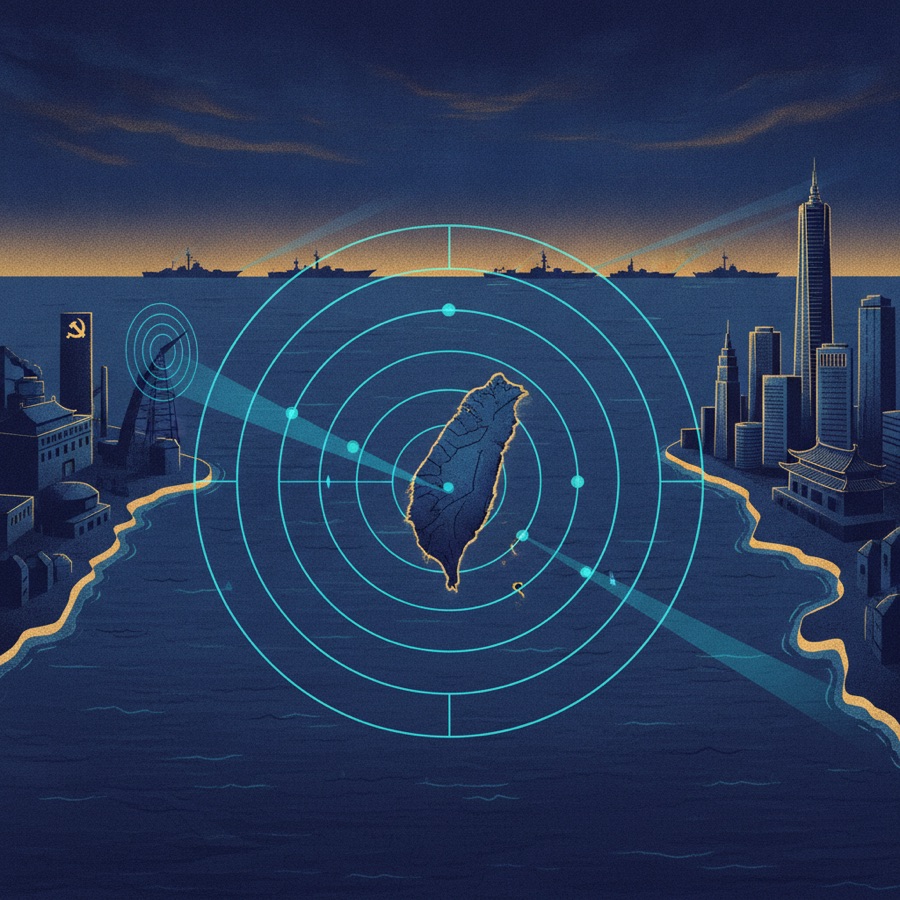
A Taiwan Strait military conflict remains unlikely through 2026, but contingency planning by the United States and regional allies reflects genuine concerns about Chinese military capability expansion and cross strait tensions.
Read the full reportShow less
Current Strategic Balance Favors Status Quo
Taiwan maintains 73 tracked signals of military and civilian activity, while China generates 54 tracked signals, indicating sustained operational awareness on both sides but no immediate mobilization patterns consistent with conflict preparation. The United States registers only 4 tracked signals in direct Taiwan Strait monitoring, reflecting a deliberate policy of behind the scenes coordination with Japan, Australia, and other regional partners rather than visible naval presence escalation. Current influence score metrics stand at 6 out of 100, suggesting low immediate risk of major power confrontation despite underlying tensions over semiconductor supply chains, military modernization timelines, and cross strait political developments.
Chinese Military Modernization Without Immediate Deployment
The People's Liberation Army has completed operational integration of new amphibious assault capabilities and advanced missile systems over the past two years, but deployment patterns show exercises rather than invasion preparations. Chinese military announcements emphasize unification objectives through political and economic pressure, with military exercises serving as coercive signaling rather than attack sequencing. Taiwan maintains defensive capabilities sufficient to complicate any near term invasion attempt, particularly with continued United States military support including advanced air defense systems delivered through 2025.
Regional Instability Creates Indirect Pressure
Recent Middle Eastern maritime attacks, including tanker strikes off the north coast of Qatar and crew evacuations from the Strait of Hormuz, consume United States military attention and resources that would otherwise concentrate on Indo Pacific deterrence. Yemeni government forces continue operations against Houthi positions controlling territory near Sanaa, further fragmenting regional stability and requiring United States Navy destroyer deployments to protect commercial shipping in critical chokepoints. These simultaneous pressure points reduce American capacity to reinforce Taiwan Strait positions during any potential crisis, creating a window that Chinese military planners certainly factor into long term strategy calculations.
Realistic 2026 Outlook
Conflict probability remains low because Beijing prioritizes economic integration and political messaging over military adventure, while Taiwan and the United States maintain credible defensive capabilities that raise costs of aggression beyond acceptable levels for Chinese leadership. However, the next two to three years will determine whether military balance shifts decisively, particularly as Chinese naval capabilities mature and United States Indo Pacific force posture adapts to reduced resources. Military planners in Washington, Taipei, and Beijing assume high stakes competition continues, but actual warfare remains a contingency plan rather than expected trajectory through 2026.