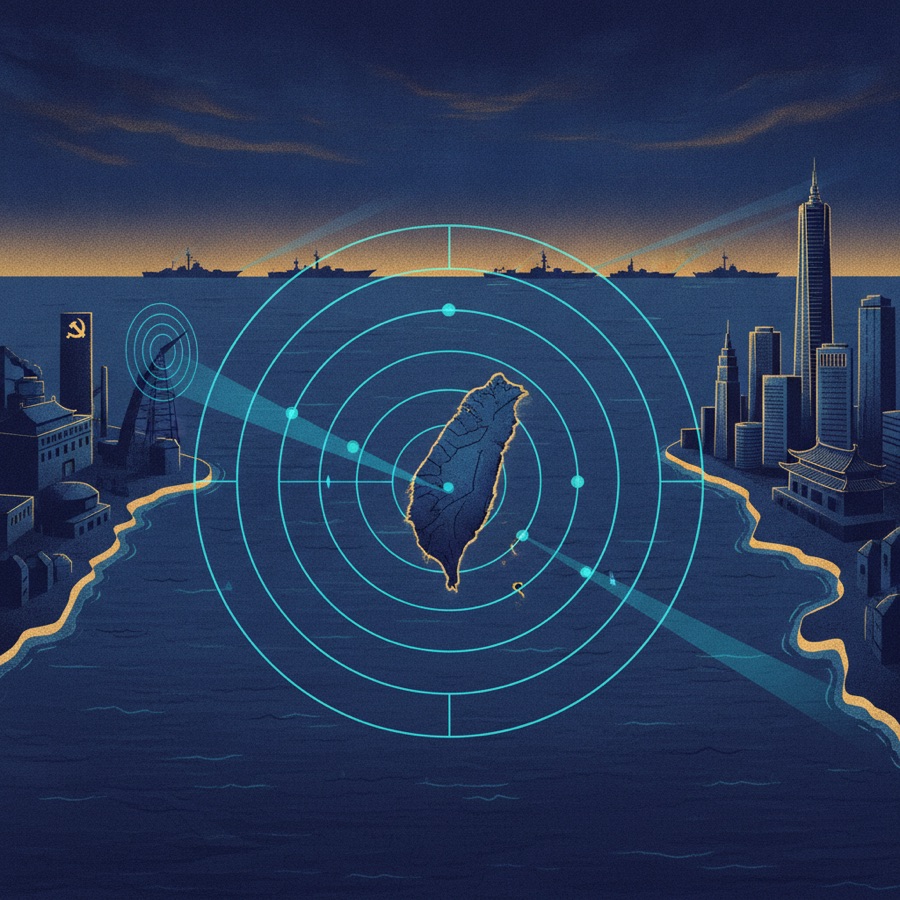
Mlangoni wa Taiwani unabaki kuwa mmoja wa njia za maji mahalafu zaidi duniani na lenye mgogoro, unatenganisha Kinyi cha ardhi cha Uchina kutoka Taiwani kwa umbali wa takriban maili 100 za bahari yenye mgogoro. Kufikia 2026, mlangoni umekuwa kituo cha mgogoro kati ya nguvu kubwa, na harakati za kijeshi, kuzungumza kwa kidiplomasia, na maslahi ya kiuchumi yakiunda mazingira ya mvutano endelevu. Kuelewa Mlangoni wa Taiwani ni muhimu kwa tathmini ya utulivu wa kanda katika Asia Mashariki na usalama wa minyororo ya kimataifa ya usambazaji, hasa kwa kuzingatia jukumu muhimu la Taiwani katika uzalishaji wa semiconductors na hali yake kama jamii la kidemokirasia inayodaiwa na Jamhuri ya Watu wa Uchina.
Mtrait wa Taiwani Pia Unajulikana Kama
Mkstrait wa Taiwani pia huitwa Mkstrait wa Formosa, jina linalotokana na "Ilha Formosa," jina la Kireno kwa Taiwani linalomaanisha "kisiwa kizuri." Mwili wa maji huu hutenganisha Taiwani kutoka kwa Fukiena ya Uchina wa bara, ukitanzia njia ya maji ambapo trafiki kubwa ya bahari inapita.
Lini Mtrait wa Taiwani Unapumzika Zaidi
The Taiwan Strait experiences the calmest conditions during the summer months, typically from June through August, when weather patterns are most stable. Winter months bring rougher seas and typhoon season can create hazardous conditions. However, political and military activity in the strait follows its own cycle independent of weather patterns, with tensions often escalating during periods of diplomatic disputes or military exercises.
Umuhimu wa Mtrait wa Taiwani
The Taiwan Strait holds immense strategic and economic importance. Approximately one third of global maritime trade passes through East Asian waters, with significant shipping lanes routing through or near the strait. Taiwan manufactures over 60 percent of the world's semiconductors and over 90 percent of advanced chips, making the island's security directly relevant to global technology supply chains and economic stability. Control over the strait has major implications for freedom of navigation, regional military balance, and the security architecture of the Indo Pacific region.
Utabiri wa Vita vya Kizambarauu cha Taiwani
US officials assessed in October 2026 that a Chinese military invasion of Taiwan is unlikely to occur in 2027, based on available intelligence and current force posture analysis. However, military experts continue to monitor Chinese military capabilities and exercises in the region, as China has steadily modernized its armed forces. The strategic calculation remains contingent on multiple variables including diplomatic developments, economic factors, and military readiness assessments that can shift over time.
Mgogoro wa Mlalo wa Taiwani 2026
As of October 2026, the Taiwan Strait continues to experience periodic security incidents amid broader tensions. In early October, Taiwan Coast Guard vessels confronted Chinese fishing boats operating in Dongsha waters, highlighting ongoing disputes over maritime jurisdiction and fishing rights. These operational incidents occur regularly and reflect the persistent friction between Taiwanese and Chinese authorities over territorial claims and maritime activities. While individual incidents remain limited in scope, they underscore the challenge of managing the strait's contested status and the risk of miscalculation in an environment where both military and civilian maritime operations occur in close proximity.