Why Is Ursula von der Leyen
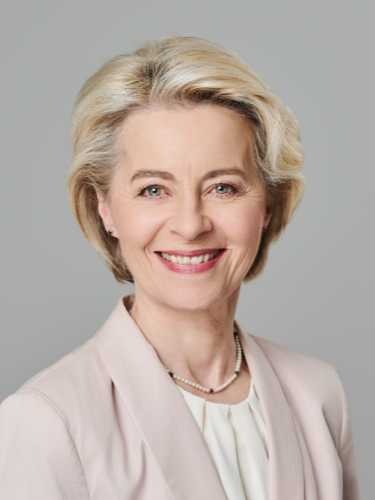
Ursula von der Leyen leads the European Commission since 2019 and remains its President in 2026, wielding significant influence over EU policy, Ukraine support, and institutional direction amid geopolitical pressures.
Read the full reportShow less
Current Role and Authority
Von der Leyen serves as the chief executive of the European Union's executive branch, the European Commission, a position she has held since December 2019. As President, she sets the Commission's political direction, manages relations with EU member states and international partners, and oversees the EU's budget and legislative agenda. Her influence score of 65 out of 100 reflects substantial but contested authority within EU politics, where member state governments, the European Parliament, and competing institutional interests constrain executive power. She shapes decisions on trade, security, and economic policy that affect 450 million EU citizens and the bloc's global standing.
Ukraine and Military Support Strategy
Von der Leyen has positioned the EU as a major military and financial supporter of Ukraine against Russian aggression. In 2024 and 2025, the Commission approved disbursements totaling 1.24 billion euros specifically designated for Ukrainian produced drones and missiles, demonstrating a shift toward supporting Ukrainian weapons manufacturing rather than only purchasing NATO standard equipment. This funding mechanism strengthens Ukraine's domestic industrial capacity while binding the Ukrainian economy more closely to EU frameworks. The scale of this commitment reflects von der Leyen's personal investment in the Ukraine conflict as a defining challenge to European security and rules based international order.
Institutional Navigation and EU Cohesion
Von der Leyen operates within a complex institutional landscape where the European Parliament, Council of Ministers, and national governments compete for control over EU direction. She must balance the security concerns of Eastern European members like Poland and the Baltic states against the economic and diplomatic caution of larger Western European powers. Recent signals indicate she is actively seeking new ways forward on critical issues, suggesting reassessment of existing strategies on energy, defense spending, and industrial competitiveness. Her ability to maintain Commission unity and forge consensus among 27 member states determines whether ambitious EU agendas actually materialize into policy.
Geopolitical Position and Challenges Ahead
Von der Leyen enters her second full year of her second term facing converging pressures: the Ukraine war, NATO burden sharing demands, rivalry with China and Russia, and internal EU disputes over fiscal policy and migration. The 100 tracked geopolitical events linked to her position in the GeoGazet database indicate the complexity and frequency of decisions she must navigate. Her political survival depends on demonstrating that the EU can act decisively on security while managing economic costs, protecting member state interests, and maintaining democratic legitimacy within the bloc. Von der Leyen remains the EU's primary institutional actor on the world stage, though her actual power to implement ambitious visions depends heavily on negotiation and consensus building among competing national interests.