Sundar Pichai Latest Update
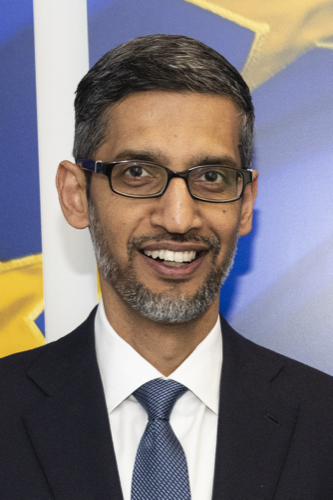
Sundar Pichai remains CEO of Google and Alphabet as of 2026, steering the company through a critical AI investment cycle while managing significant capital expenditure pressures tied to competing with Meta and other AI leaders.
Read the full reportShow less
Cloud Revenue Momentum and AI Scaling
Alphabet's cloud division reported 82 percent revenue growth in the most recent quarter under Pichai's oversight, signaling accelerating momentum in a business segment historically trailing Amazon Web Services. This growth trajectory reflects aggressive investment in AI infrastructure and the expansion of Gemini services across enterprise clients. The Gemini app has reached 950 million monthly users, establishing Google's consumer AI footprint as a meaningful competitive asset. This scale provides both revenue runway and validation that Pichai's AI prioritization resonates with users and enterprises.
Capital Expenditure and Investor Scrutiny
Pichai faces a fundamental investor pressure point: the company deployed massive capital into AI computing infrastructure while the return on that investment remains partially unproven at scale. The October 28 deadline for earnings clarification highlighted a core tension between the 500 billion dollar question of whether Google Cloud's AI backlog can justify the "mind bogglingly" large capital expenditure boom underway. Pichai must demonstrate that enterprise customers will monetize AI capabilities faster than the pace of infrastructure spending, a gap that defined Google's performance concerns in 2024 and 2025. Investor confidence hinges on visible progress in converting AI capability into revenue per dollar spent.
Competitive Positioning Against Meta and Industry Rivals
Pichai's strategic decisions now operate in a landscape where Meta has launched credible AI alternatives, including Muse AI, forcing Google to prove differentiation in generative AI and search applications. Google Cloud's 82 percent growth partly reflects demand for AI services, but Pichai must defend market share against companies investing equally or more aggressively in AI infrastructure. The AI backlog represents both opportunity and execution risk: if enterprises adopt Gemini and Google AI services at scale, Pichai's capex spending becomes rational; if adoption stalls, shareholder pressure intensifies. This dynamic has kept Pichai's influence score at 9 out of 100, reflecting limited discretionary leverage in a market driven by AI commodity dynamics rather than individual leadership decisions.
Strategic Priorities Through 2026
Pichai's near term focus centers on demonstrating AI monetization velocity and cost efficiency in Google Cloud operations. The company must report sustained cloud growth, evidence of enterprise AI adoption, and progress toward capex efficiency in subsequent quarters. Execution on these fronts will determine whether Pichai maintains investor confidence in his AI strategy or faces pressure to reset capital allocation priorities. The 100 tracked geopolitical and business events in Pichai's domain reflect a CEO operating within tight margins where quarterly results shape perception of strategic competence.