גיאוגאזט
🌐 עבריתHE ▾
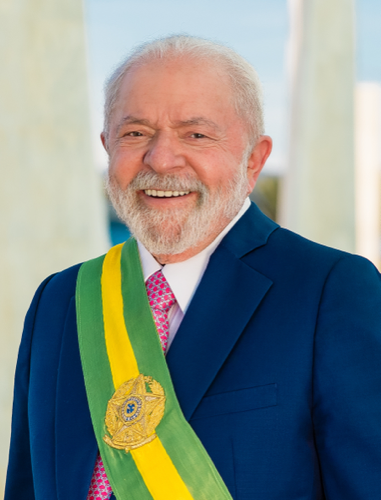
ראשיאנשיםלואיז אינסיו לולה דה סילבההאם לולה דה סילבה יתפטר?
לואיז אינסיו לולה דה סילבהלואיז אינסיו לולה דה סילבה

האם לולה דה סילבה יתפטר?

מודיעין GeoGazet· עודכן ב-9 בספטמבר 2026· 2 דקות קריאה· 2 צפיות
לואיז אינסיו לולה דה סילבה

There are no current indications that Luiz Inacio Lula da Silva, President of Brazil, will resign before his term officially ends in January 2027.
He is serving his full term to the end of 2026.

כהונה
נשיא ברזיל
בתפקיד מאז
2023
הכהונה מסתיימת
Jan 2027
אותות במעקב
100

Serving a term to the end of 2026. The next Brazilian election is in October 2026.

קרא את הדו"ח המלאהצג פחות

President Lula's Remaining Term

Luiz Inacio Lula da Silva currently serves as the President of Brazil, having taken office in 2023. His constitutional term is clearly defined and set to conclude in January 2027. This means he is expected to serve a full term until the end of 2026. The next Brazilian general election is already scheduled for October 2026, marking the typical electoral cycle for the country. There is no official communication, public statement, or credible political movement within Brazil that suggests an intent for President Lula to depart office prior to this mandated end date.

Mounting Political Challenges

Despite the absence of resignation signals, President Lula's administration faces significant and increasing political headwinds as of 2026. His current influence score stands at 30 out of 100, indicating substantial pressure and a reduced capacity to effectively implement his legislative agenda. GeoGazet tracking, which monitors a total of 100 relevant events impacting the Brazilian political landscape, highlights specific issues that are shaping public perception and political discourse. For instance, the headline "Lula’s picanha promise comes back to haunt him ahead of Brazil election" underscores ongoing public and media scrutiny over unfulfilled campaign pledges, generating considerable dissatisfaction among the electorate as the pivotal election approaches. Furthermore, another GeoGazet signal, "Brazil Supreme Court rift deepens as justice suspends federal police chief," points to persistent institutional tensions. These internal disputes, particularly within key governmental bodies like the Supreme Court, can further complicate governance, potentially erode political stability, and consume significant administrative resources.

Stability and Future Scenarios

The Brazilian political system, while known for its dynamic nature, operates within established constitutional frameworks regarding presidential tenure. A resignation from the office of president is an exceedingly rare event, typically precipitated by severe, unprecedented national crises such as overwhelming impeachment proceedings, undeniable evidence of grave misconduct, or a complete and unrecoverable loss of political viability. While the current pressures on President Lula's administration are evident and present real governing challenges, they do not, at this juncture, align with the extreme threshold usually required for such an extraordinary step. All major political actors, including the President and opposition forces, are currently focused on the upcoming October 2026 election. President Lula is widely anticipated to complete his full term, directing his efforts toward navigating the existing political and economic landscape while preparing for the imminent electoral contest.

עקבו אחר סילבה בשידור חי.כל עדכון מתפרסם בטלגרם שלנו.
הצטרפו בטלגרם
ביקורות קוראים
דרג (אופציונלי)
עדיין אין ביקורות. היה הראשון לשתף את דעתך.
שאל את GeoGazet×