When Did Bill Gates Leave Microsoft
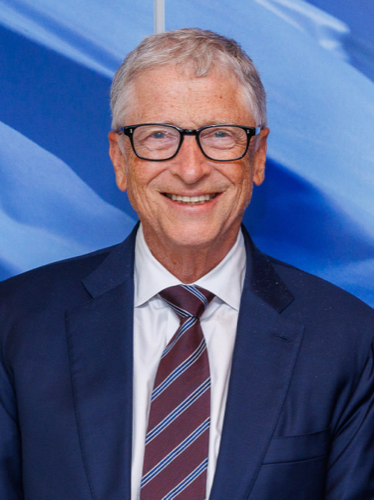
Bill Gates stepped down as CEO of Microsoft in 2000, transitioning to chief software architect, then fully departed executive operations by 2006 to focus on philanthropy through the Bill and Melinda Gates Foundation.
Read the full reportShow less
The 2000 CEO Transition
Gates relinquished the CEO role to Steve Ballmer on January 13, 2000, while remaining as chief software architect. This move came as Microsoft faced regulatory scrutiny and Gates shifted strategic priorities toward the company's technical direction rather than day to day operations. He maintained board involvement and significant influence over company strategy for the next several years while beginning to redirect his attention toward global health and development work.
Full Departure from Microsoft Leadership
By 2006, Gates stepped away from Microsoft operations entirely to dedicate himself to the Bill and Melinda Gates Foundation, which had grown substantially in scope and capital. His final role at the company ended when he transitioned from chief software architect to focusing exclusively on the foundation's work addressing poverty, disease, and educational inequality worldwide. This represented a definitive split between his corporate tenure and his subsequent career as a philanthropist and global policy voice.
Current Influence and AI Focus
Today Gates maintains substantial influence on global policy conversations despite no formal Microsoft role. Recent signal tracking through 2026 documents his active engagement with artificial intelligence governance, including statements that governments worldwide are lagging behind on AI preparedness. Gates has committed to spending 1 billion dollars specifically to prevent artificial intelligence from widening existing global divides between developed and developing nations, indicating his continued focus on technology's impact on inequality.
Geopolitical Relevance
Gates ranks with a current influence score of 10 out of 100 in geopolitical tracking systems, reflecting his impact as a non state actor shaping policy conversations around technology and global development. His warnings about AI represent one clear signal among 100 tracked events in his geopolitical graph, showing sustained engagement with issues affecting government decision making and international development priorities. His financial commitments and public statements on technology governance demonstrate how major philanthropists retain significant soft power even after leaving executive corporate positions, positioning them as informal advisors to governments navigating complex technology policy questions.