When Did Bill Gates Create Microsoft
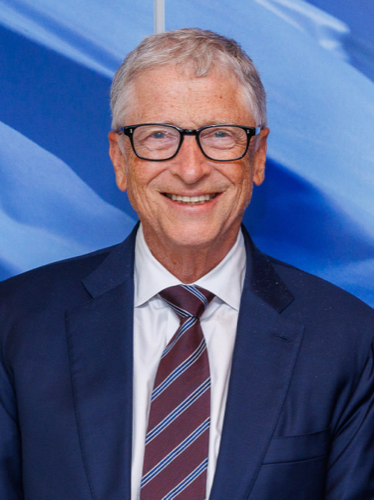
Bill Gates and Paul Allen founded Microsoft in 1975 in Albuquerque, New Mexico.
Gates served as the company's chief executive officer until 2000 and remains a cofounder and major stakeholder.
Read the full reportShow less
The 1975 Founding and Early Years
Gates and Allen established Microsoft on April 4, 1975, initially operating from a small office in Albuquerque. The two entrepreneurs had met at Lakeside School in Seattle and shared a vision to place a computer on every desk and in every home. Their early focus centered on developing and selling BASIC interpreters for the Altair 8800 microcomputer, which proved to be a commercially viable entry point into the nascent personal computer market.
Growth Through Operating Systems
Microsoft's trajectory changed dramatically in 1981 when IBM selected the company to develop an operating system for its personal computers. Gates negotiated a licensing deal that allowed Microsoft to retain rights to sell the operating system independently, a strategic decision that generated enormous long term value. By the 1990s, Microsoft's Windows operating system had achieved dominant market share globally, and the company became one of the world's most valuable corporations.
Gates' Transition and Current Role
Gates stepped down as CEO in 2000, transitioning to chief software architect and later to chairman roles while remaining deeply involved in company strategy and direction. He established the Bill and Melinda Gates Foundation in 2000 to focus on global health, development, and education initiatives. Today Gates maintains his position as cofounder of Microsoft while channeling significant resources toward addressing global challenges, including artificial intelligence governance and pandemic preparedness.
Contemporary Focus on AI and Global Equity
Gates currently ranks among the world's most prominent voices on artificial intelligence policy and risk management. Recent signals reflect his ongoing concern about technology's unequal global distribution, with Gates stating that "governments worldwide are way behind on AI" and issuing warnings about how artificial intelligence could widen economic divides between developed and developing nations. He has committed to spending one billion dollars to ensure that artificial intelligence benefits poorer countries and does not exacerbate existing inequalities. These efforts demonstrate that Gates continues to shape technology policy and global development strategy decades after founding Microsoft, leveraging both his technical credibility and substantial philanthropic resources to influence how transformative technologies are deployed worldwide.