Recep Tayyip Erdogan vs Narendra Modi
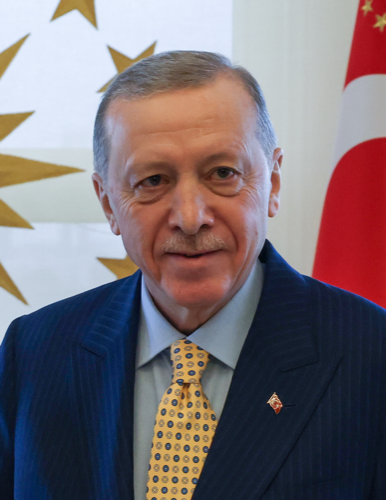
Erdogan and Modi both lead major regional powers since 2014, but Modi commands significantly greater influence on the global stage.
Modi heads a nation of 1.4 billion with growing technological and military capacity, while Erdogan navigates Turkey between declining Western alignment and Eastern opportunism.
Read the full reportShow less
Current Position and Tenure
Narendra Modi serves as Prime Minister of India with no constitutional term limits, giving him potential to remain in office indefinitely if he wins successive elections. His party, the BJP, won another mandate in 2024, and the next general election is not due until 2029. Recep Tayyip Erdogan holds the Turkish presidency since 2014, currently serving a term that ends in 2028 after his 2023 reelection. Under Turkey's current rules, Erdogan cannot run again unless parliament calls an early election, placing a hard ceiling on his tenure.
Strategic Influence and Regional Reach
Modi's influence extends globally through India's demographic scale, technological sector growth, and military modernization. India shapes outcomes across South Asia, the Indian Ocean, and increasingly in multilateral forums like the Shanghai Cooperation Organization. Erdogan wields considerably narrower but more volatile influence, concentrated in the Middle East, Caucasus, and Eastern Mediterranean. Recent signals from tracking data show Erdogan "playing East and West, winning room to maneuver," while simultaneous reports note "As the U.S. signals a smaller Middle East footprint, Turkey is ready to step in." This tactical positioning reflects Erdogan's attempt to fill vacuums, not establish sustained dominance. Modi's influence score stands at 2 out of 100 on tracked metrics, indicating both leaders operate in constrained contexts despite their regional prominence.
Institutional Constraints and Future Trajectories
Modi faces no formal barrier to remaining Prime Minister if the BJP retains electoral majorities, making his political horizon potentially open ended through at least 2029 and beyond. Erdogan confronts a hard stop at 2028 unless he orchestrates constitutional change or early elections, an increasingly difficult maneuver given Turkey's fragmented parliament. This structural difference means Modi can pursue longer term strategies, while Erdogan must decide within two years whether to attempt unprecedented moves or prepare a succession. Reports of visits from major international figures, including signals that "Carney plans to visit Turkey this month," suggest Erdogan is actively managing Turkey's external positioning in his final term.
Comparative Assessment
Modi leads a more populous, economically dynamic state with fewer immediate institutional constraints on his authority. Erdogan governs a NATO member state with declining Western support and limited growth prospects, forcing constant tactical adjustment. Both men centralized power within their respective systems, but Modi operates from a position of ascending state capacity while Erdogan manages relative decline. By 2028, Erdogan will face a definitive transition, whereas Modi could be positioned for another electoral cycle in a nation with no term limit precedent.