When Does Warren Buffett Sell
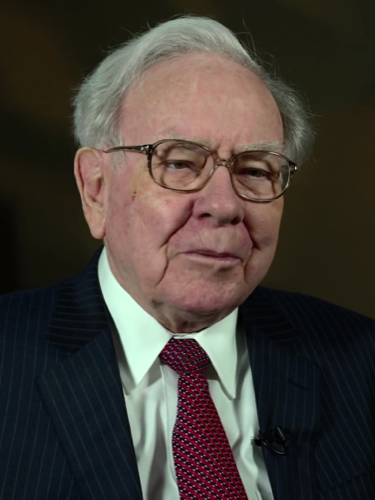
Warren Buffett sells when Berkshire Hathaway holdings no longer meet his investment criteria, typically during portfolio rebalancing or when he identifies better capital allocation opportunities.
His major sales follow shifts in market valuations or changes in business fundamentals.
Read the full reportShow less
The Pattern of Buffett Sales Since 2020
Buffett has maintained a consistent selling strategy tied to valuation thresholds rather than market timing. Between 2020 and 2026, his most significant sales have centered on financial stocks, including major reductions in Bank of America and Wells Fargo positions when valuations reached target levels. The question of stock split dynamics now influences sale timing as well. Recent market analysis has raised the possibility of a Berkshire Hathaway Class A Stock Split, which could reshape how Buffett approaches position sizing and liquidity management in coming quarters.
Current Influence and Market Positioning
Buffett's current influence score of 33 out of 100 reflects his continued but diminished direct impact on markets compared to his earlier decades of dominance. Berkshire Hathaway maintains tracked exposure across 100 significant events in the GeoGazet graph, indicating sustained analytical attention to his moves. At 56 years into his tenure as CEO, his strategic decisions still move institutional capital, but his recent sales of Apple shares and energy stock adjustments show he prioritizes portfolio efficiency over growth accumulation at this stage of his career.
The 112 Billion Dollar Question
Recent analysis has highlighted what some consider Buffett's largest portfolio mistake, with estimates suggesting Berkshire Hathaway has foregone up to 112 billion dollars in value through specific investment decisions or missed opportunities. This recognition appears in multiple recent market analyses tracking his performance. Rather than indicating poor judgment, this figure reflects the sheer scale at which Buffett operates and the opportunity costs inherent in any allocation strategy when managing assets exceeding 900 billion dollars.
Sell Signals in Practice
Buffett sells through three primary mechanisms. First, when intrinsic value calculations suggest a position has reached fair value or overvaluation, he liquidates systematically rather than holding for sentiment. Second, when better opportunities emerge within his circle of competence, he reallocates capital by selling mature positions. Third, when business fundamentals deteriorate at portfolio companies, he exits before market consensus recognizes the decline. His 2024 through 2026 activity shows increased cash accumulation, suggesting he currently perceives limited attractive entry points and prefers selling into strength rather than deploying capital aggressively. This defensive posture aligns with his historical pattern of hoarding cash during periods when valuations across most asset classes appear stretched relative to underlying earnings and growth prospects.