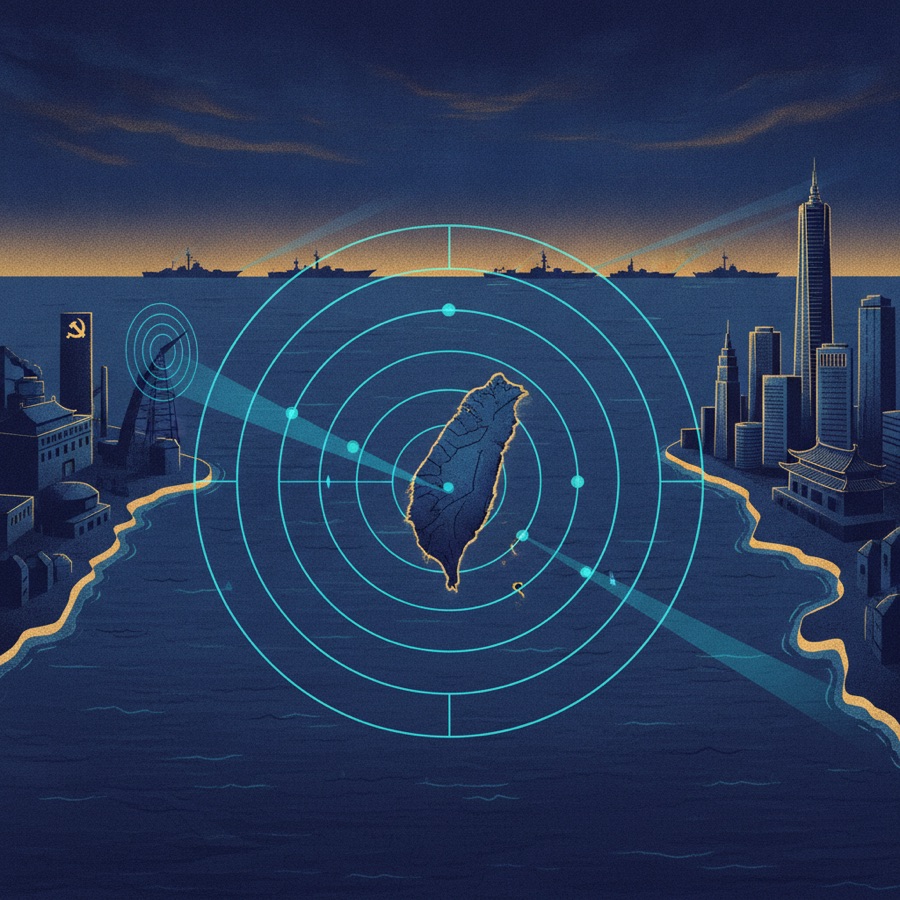
타이완 해협은 세계에서 가장 전략적으로 중요하고 분쟁이 많은 해역 중 하나로, 약 100마일의 분쟁 해역을 사이에 두고 중국 본토와 타이완을 분리하고 있습니다. 2026년 현재, 해협은 군사 이동, 외교적 입장 표시, 경제적 이익이 지속적인 긴장의 환경을 만들면서 강대국 경쟁의 초점이 되었습니다. 타이완 해협을 이해하는 것은 동아시아의 지역 안정성과 세계 공급망 보안을 평가하는 데 필수적이며, 특히 반도체 생산에서 타이완의 중요한 역할과 중화인민공화국이 주장하는 민주주의 사회로서의 지위를 고려할 때 그러합니다.
대만 해협의 다른 이름들
타이완 해협은 포르모사 해협이라고도 불리며, 이 이름은 타이완을 의미하는 포르투갈어 표기인 "Ilha Formosa"에서 유래했고 "아름다운 섬"을 뜻합니다. 이 수역은 타이완을 중국 본토의 푸젠성과 분리하며, 상당한 해상 교통이 흐르는 해협을 통해 뻗어 있습니다.
대만 해협이 가장 잔잔한 시기
대만 해협은 일반적으로 6월부터 8월까지의 여름철에 가장 잔잔한 상태를 경험하며, 이 시기에 날씨 패턴이 가장 안정적입니다. 겨울철에는 더 거친 바다 상태를 가져오고 태풍 시즌은 위험한 조건을 만들 수 있습니다. 그러나 해협에서의 정치적, 군사적 활동은 날씨 패턴과 무관하게 자체 주기를 따르며, 외교 분쟁이나 군사 훈련 기간 동안 긴장이 종종 고조됩니다.
대만 해협의 중요성
The Taiwan Strait holds immense strategic and economic importance. Approximately one third of global maritime trade passes through East Asian waters, with significant shipping lanes routing through or near the strait. Taiwan manufactures over 60 percent of the world's semiconductors and over 90 percent of advanced chips, making the island's security directly relevant to global technology supply chains and economic stability. Control over the strait has major implications for freedom of navigation, regional military balance, and the security architecture of the Indo Pacific region.
대만 해협 전쟁 예측
US officials assessed in October 2026 that a Chinese military invasion of Taiwan is unlikely to occur in 2027, based on available intelligence and current force posture analysis. However, military experts continue to monitor Chinese military capabilities and exercises in the region, as China has steadily modernized its armed forces. The strategic calculation remains contingent on multiple variables including diplomatic developments, economic factors, and military readiness assessments that can shift over time.
대만 해협 위기 2026
As of October 2026, the Taiwan Strait continues to experience periodic security incidents amid broader tensions. In early October, Taiwan Coast Guard vessels confronted Chinese fishing boats operating in Dongsha waters, highlighting ongoing disputes over maritime jurisdiction and fishing rights. These operational incidents occur regularly and reflect the persistent friction between Taiwanese and Chinese authorities over territorial claims and maritime activities. While individual incidents remain limited in scope, they underscore the challenge of managing the strait's contested status and the risk of miscalculation in an environment where both military and civilian maritime operations occur in close proximity.