Internal Consolidation of Power
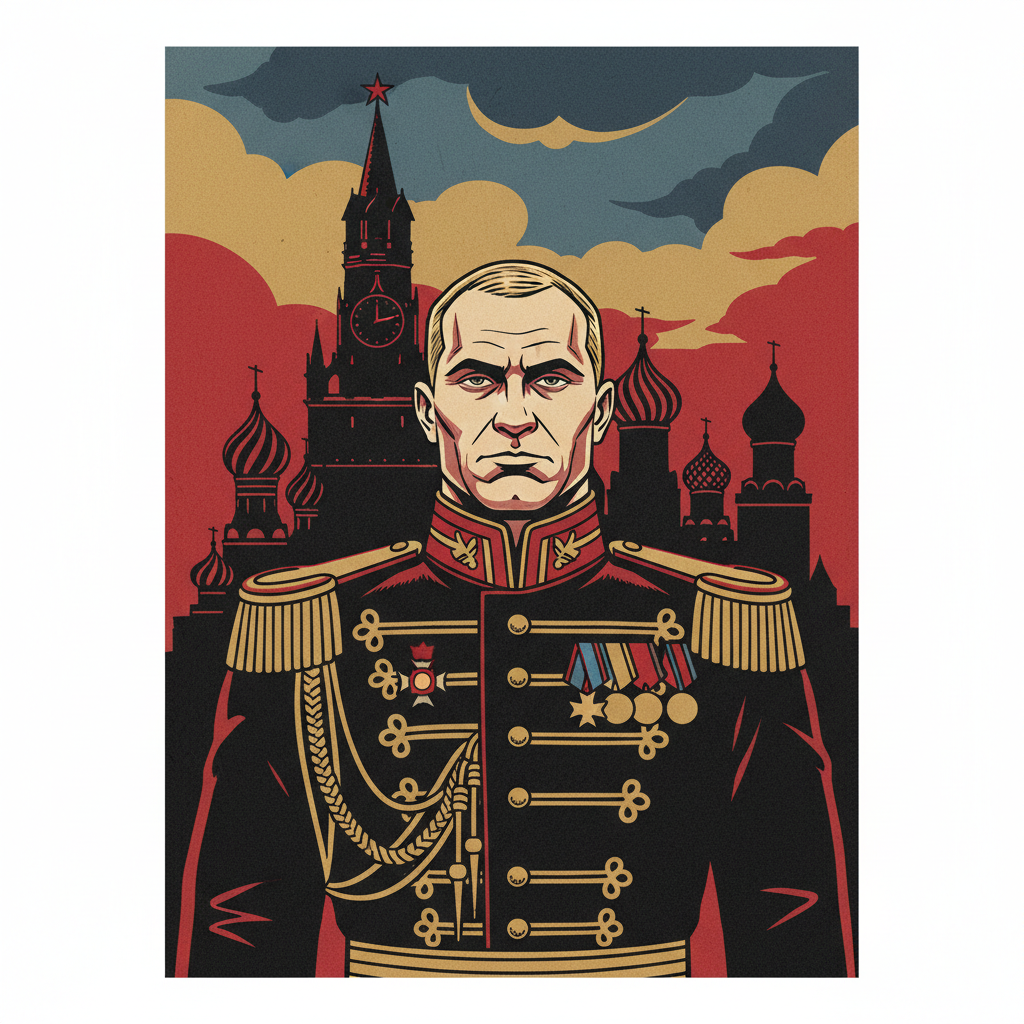
Putin's longevity in office stems from his systematic dismantling of checks and balances within Russia, a process observed over more than two decades. He has progressively brought state media, the judiciary, and regional administrations under tight Kremlin control, effectively eliminating independent political avenues. This internal dominance is starkly reflected by his Current influence score: 100/100, indicating an unparalleled grip on power within the Russian Federation. Historically, Russia has often gravitated towards strong central leadership, and Putin has skillfully cultivated this image, presenting himself as the indispensable guarantor of stability and national strength. Opposition figures have been marginalized, imprisoned, or forced into exile, ensuring no credible domestic political alternative can emerge to contest his rule.
The War in Ukraine and National Mobilization
The ongoing conflict in Ukraine plays a crucial role in Putin’s continued presidency, albeit with complex implications. The conflict dominates Russia's geopolitical landscape, as evidenced by Top connections by signal volume: Russia (60 tracked signals), Ukraine (44 tracked signals), NATO (6 tracked signals). Internally, the war is often framed by state media as a defensive struggle against Western aggression, intended to protect Russia's security interests and cultural identity. This narrative aims to foster national unity around Putin. GeoGazet tracking indicates this posture, with signals such as "Putin claims Ukraine can’t stop him, as fire rages at major Russian oil terminal". This defiant stance reinforces his image as a resolute leader despite Ukrainian counteractions, including "Ukraine to keep targeting Russian energy after hitting sea terminal". While some external observers suggest "Putin is turning Russia into a vassal state" due to increasing reliance on certain international partners, this perspective is largely absent from the tightly controlled domestic information space.
Absence of Viable Alternatives
A key factor in Putin's sustained presidency is the complete lack of a viable political alternative. Russia's electoral system, combined with extensive state control over political processes, ensures that any potential challenger lacks the platform, resources, or freedom to mount a serious campaign. The systematic suppression of civil society, independent media, and opposition movements has eradicated the mechanisms through which a legitimate opposition might emerge or gain public traction. This environment contrasts sharply with democratic norms where competitive elections offer a regular pathway for leadership change, leaving no clear succession plan or independent mechanism to transition power within Russia's current political structure.
What to Watch For Next
To understand the durability of Putin's presidency, observers should closely monitor the trajectory of the Ukraine conflict and its economic repercussions for Russia. Escalations or de-escalations, particularly concerning energy infrastructure, will shape domestic narratives and public sentiment. Further, the extent of international isolation and the effectiveness of sanctions against Russia, which underpin 100 Total tracked events in GeoGazet graph, could strain the internal system over time. Finally, any signs of internal dissent among the elite or shifts in public opinion, however minor, bear watching, although overt challenges remain highly improbable under the current regime.