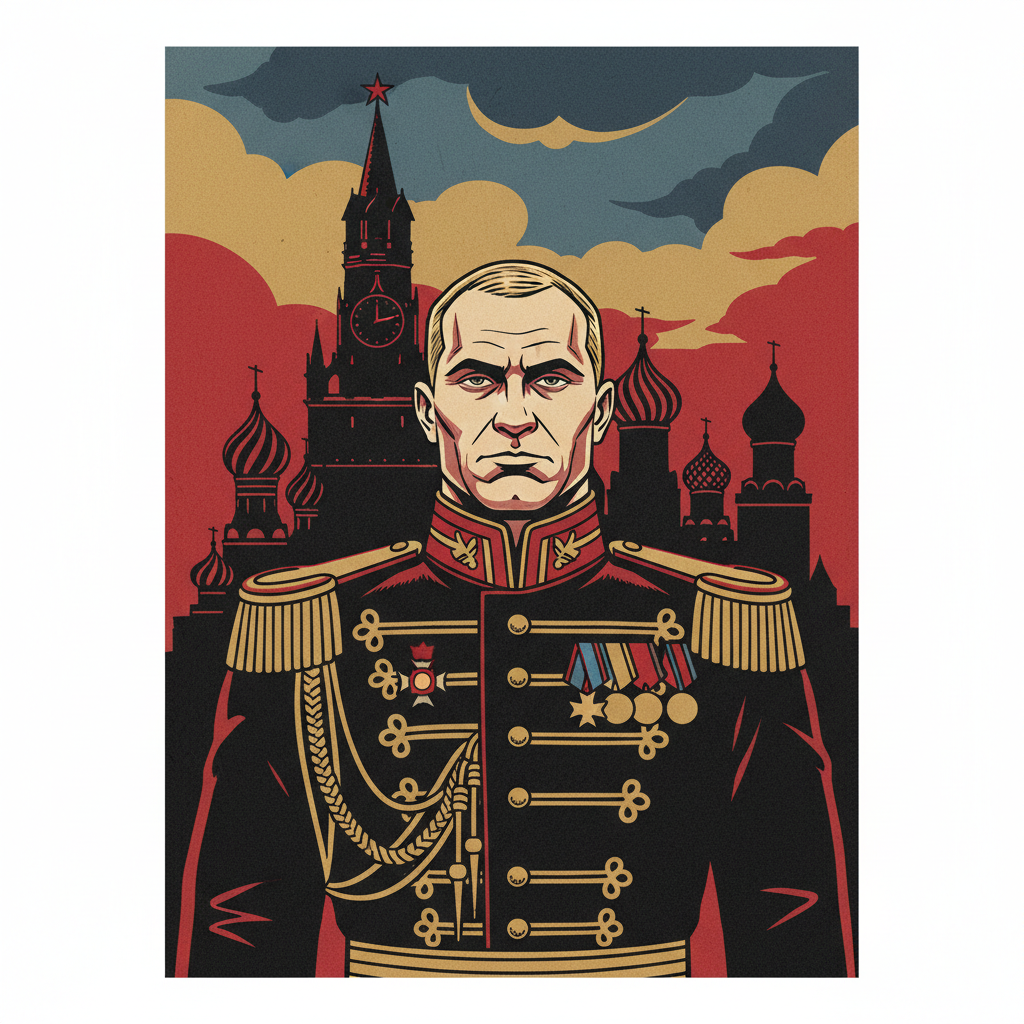
Mechanisms of Wealth Accumulation
Analysts and intelligence reports suggest Putin's wealth is accumulated through indirect means, often via proxies and trusted associates who hold assets on his behalf. This includes significant, undeclared stakes in major Russian corporations, particularly those in the lucrative energy and raw materials sectors. Following the collapse of the Soviet Union, the privatization of state enterprises created opportunities for a select few to amass fortunes, and under Putin’s leadership, these assets became increasingly controlled by those loyal to him. This control ensures a steady flow of resources and funds that can be diverted or exploited for personal gain, far exceeding his official salary.
Geopolitical Control and Resource Leverage
Putin's political longevity and high influence score, currently tracked at 100/100, provide the ultimate leverage over Russia's resource-rich economy. Top connections by signal volume, including Russia (60 tracked signals) and Ukraine (44 tracked signals), underscore the geopolitical context where resource control is central. Recent GeoGazet tracking signals illuminate this dynamic. For example, "Putin claims Ukraine can’t stop him, as fire rages at major Russian oil terminal" highlights the strategic importance of energy infrastructure and the direct link to the state's economic backbone. Another signal, "Ukraine to keep targeting Russian energy after hitting sea terminal," further emphasizes the critical role of energy exports. The perceived invincibility and the ongoing conflict directly impact the security and profitability of these state-controlled assets, which are the primary conduits for wealth generation within the system Putin oversees. The signal "Putin is turning Russia into a vassal state" could also be interpreted as a reflection of how the centralized accumulation of wealth and power can make the state's strategic decisions beholden to the interests of a narrow elite, potentially at the expense of broader national sovereignty or long-term development.
Historical Context and Evidence
The opaque nature of wealth accumulation under Putin has historical parallels with other authoritarian regimes where state power and personal wealth are inextricably linked. From the Soviet-era nomenclature, which enjoyed privileged access to resources, to kleptocracies in post-colonial states, the pattern of leaders leveraging state control for personal enrichment is well-documented. While direct, verifiable financial statements are unavailable, the lavish lifestyles of his alleged inner circle and the lack of transparent financial disclosures for key state figures support the notion of systemic illicit enrichment. GeoGazet’s total of 100 tracked events on this graph indicates the breadth and persistence of related activities and analyses.
What to Watch For Next
Future observations will focus on the impact of international sanctions on the flow of Russian state revenue, particularly from energy exports, and how this affects the wealth of Putin and his inner circle. Monitoring the stability of key oligarchs and their continued loyalty will also be crucial, as any significant fracturing could signal shifts in the underlying patronage networks. The long-term implications of the Ukraine conflict and Russia's evolving relationships with key trading partners will directly influence the avenues through which this wealth is generated and potentially concealed.