Consolidation of Domestic Power
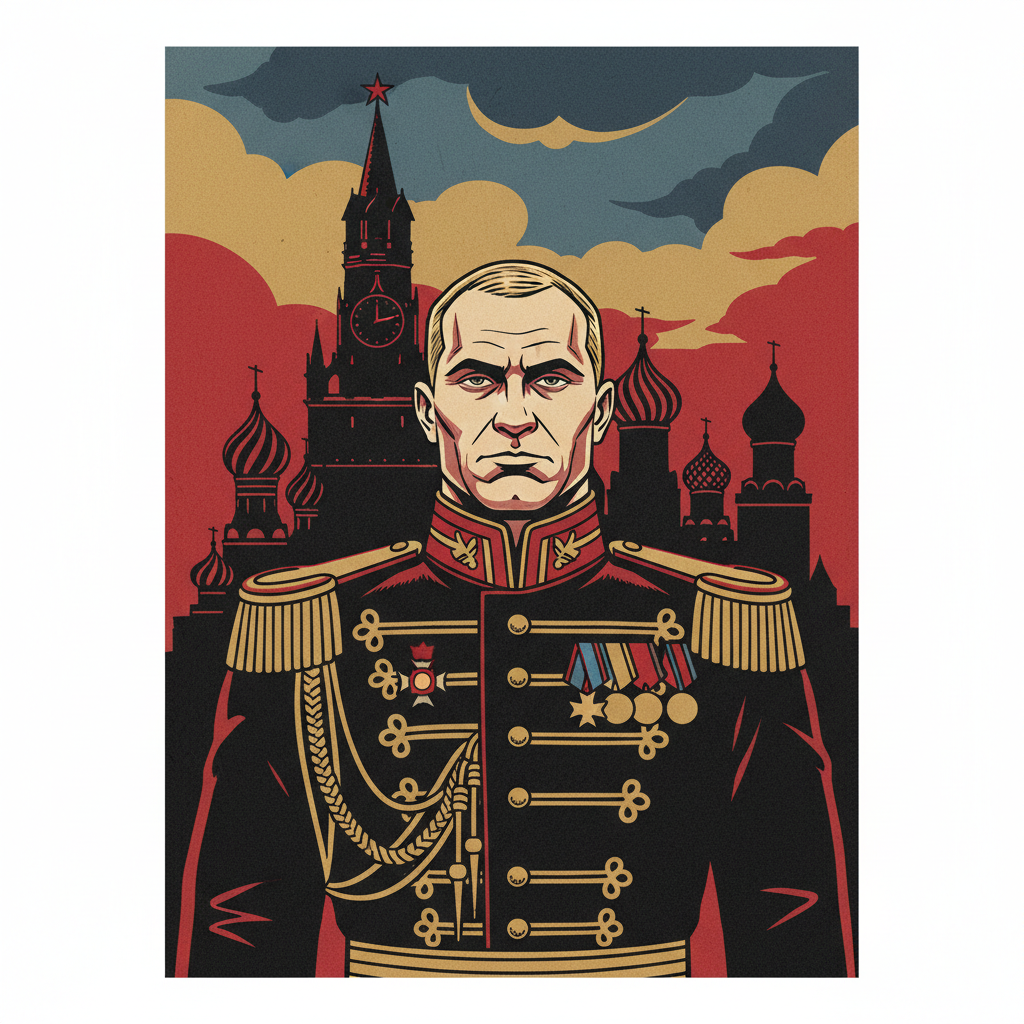
Since assuming the presidency in 1999, Vladimir Putin has meticulously dismantled or neutralized potential rivals, centralized decision making, and brought key institutions under state control. This process has included reining in oligarchs, controlling major media outlets, and suppressing political opposition. The extent of this consolidated authority is reflected in his exceptional current influence score of 100/100, according to intelligence metrics. This domestic control allows for decisive, unhindered action, both internally and externally. The reach of this control extends beyond Russia’s borders, as indicated by a recent GeoGazet signal reporting, "Russian Artist Critical of Putin Is Fatally Shot in Poland," highlighting the perceived consequences for critics even when abroad.
Strategic Geopolitical Maneuvering
Putin’s power is also characterized by an assertive and often confrontational foreign policy, aimed at restoring Russia’s status as a major global player. His administration has defied international norms through military interventions and a consistent challenge to Western influence. The ongoing conflict in Ukraine is a prime example, with a recent GeoGazet signal stating, "Zelenskyy says Putin is the obstacle to peace talks as G7 summit focuses on Russia-Ukraine war," underscoring Putin’s central, unyielding role in major international disputes. Russia’s extensive engagement in its near abroad is evident in intelligence tracking, with top connections by signal volume identifying Russia (76 tracked signals), Ukraine (33 tracked signals), and Poland (20 tracked signals). Historically, this approach echoes strongmen from the Soviet era, such as Joseph Stalin, in its projection of national power and defiance of external pressures.
Resilience Amidst Challenges
Despite external sanctions and internal economic pressures, Putin has demonstrated a remarkable ability to maintain power. While a recent GeoGazet signal noted, "Opinion | The Russian Economy Looks More Vulnerable Each Day," the Russian state apparatus under Putin has shown resilience. This resilience is supported by a significant degree of public support, often cultivated through state media narratives and a focus on national pride, alongside strict enforcement against dissent. His administration effectively manages geopolitical turbulence; GeoGazet data indicates 100 total tracked events, suggesting a highly dynamic environment in which Putin's leadership persists. His ability to withstand significant international pressure and adapt to evolving threats further solidifies his powerful position.
What to Watch For Next
Future developments impacting Putin’s power include the long term stability of the Russian economy under sanctions, the trajectory and outcome of the conflict in Ukraine, and potential shifts in domestic sentiment. Any significant deterioration in living standards or a perceived military defeat could challenge his authority. Conversely, continued economic adaptation and perceived successes abroad could further entrench his leadership.