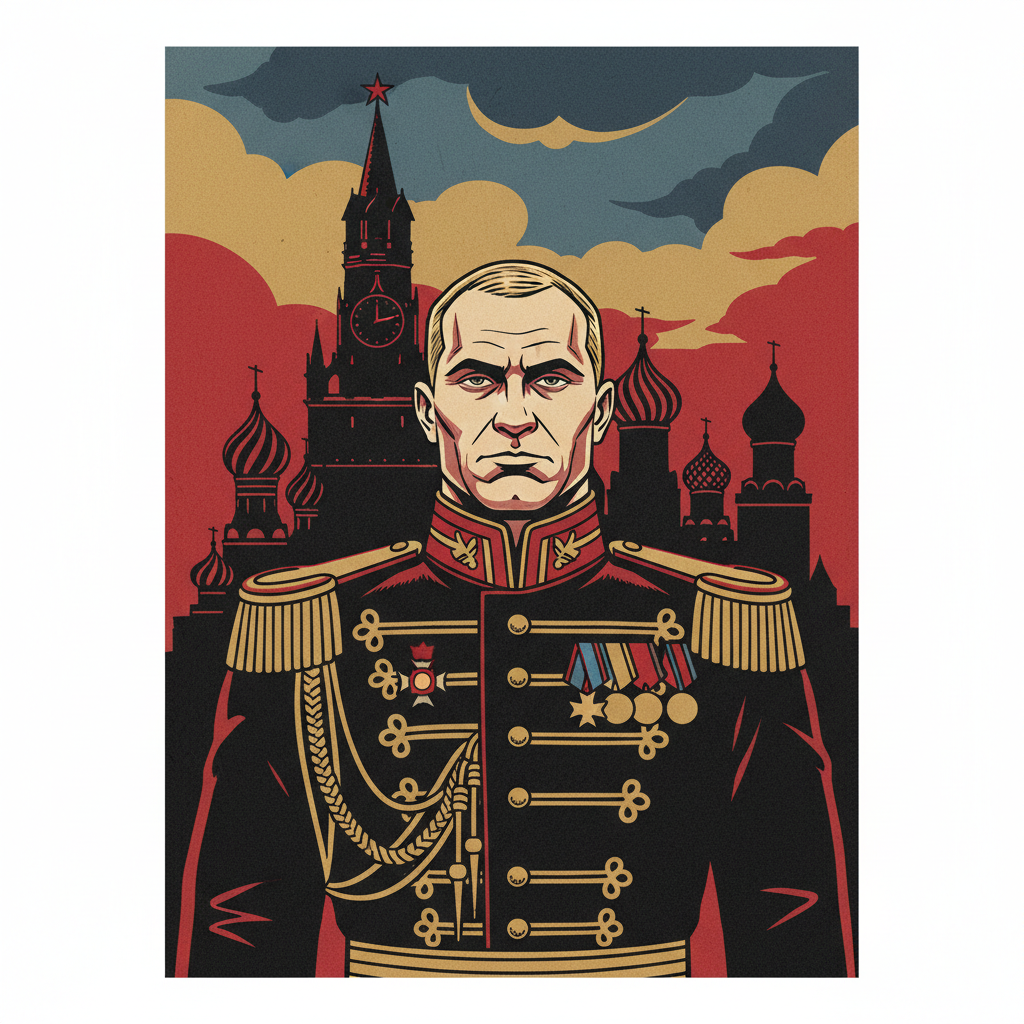
Consolidation of Power and Systemic Control
Vladimir Putin first assumed the presidency in 2000, following an interim period as acting president. His rise coincided with a period of economic recovery and a strong emphasis on national unity and order, contrasting with the perceived chaos of the 1990s. Over two decades, Putin has systematically dismantled democratic safeguards and concentrated authority within the executive branch, effectively creating a super-presidency. Key constitutional amendments in 2020 reset his term limits and strengthened presidential powers, theoretically allowing him to remain in office until 2036. This extensive consolidation is reflected in his "Current influence score: 100/100," indicating absolute control over the Russian political apparatus. The electoral process, while ostensibly democratic, operates within a tightly controlled framework, limiting genuine competition and ensuring predictable outcomes.
Geopolitical Strategy and Narrative Management
Putin's long tenure is also intrinsically linked to Russia's assertive foreign policy and its perceived role on the global stage. The GeoGazet tracking data illustrates the primary arenas of his focus: "Russia (62 tracked signals)," "Ukraine (43 tracked signals)," and "Economy & Rates (7 tracked signals)." The ongoing conflict in Ukraine, initiated under his leadership, represents a significant manifestation of his geopolitical ambitions, aiming to restore what he views as Russia's historical sphere of influence.
Recent signals further highlight this strategic direction. A GeoGazet report, "Putin: Russia Developing Satellite-Based Drone Control System," demonstrates a strong emphasis on modernizing Russia's military capabilities and projecting technological prowess. This focus on defense and strategic autonomy reinforces the narrative of a strong leader defending national interests against external threats. The statement from a German army chief, "Russia will be ready to attack Nato in three years," underscores the perceived bellicose posture of Russia under Putin, a dynamic he often leverages to rally domestic support. Furthermore, the signal "Tulsi Gabbard Sparks Fury By Going All In on Ukraine Biolabs Theory: ‘Loyal to the End. To Putin’" illustrates how international narratives, including disinformation, can be amplified to support his policies and undermine critics. With "Total tracked events in GeoGazet graph: 100," the volume of his impactful actions and statements is consistently high.
Historical Parallels and Future Outlook
Historically, Putin's long-term grip on power draws parallels with earlier Russian and Soviet leaders who prioritized state control and stability over liberal democratic ideals. His methods, while modern, echo the centralization of power seen under figures ranging from Tsarist emperors to Soviet General Secretaries. The popular support he garners is often rooted in a desire for a powerful state after periods of perceived weakness, a sentiment he has skillfully harnessed.
Moving forward, observation will focus on the trajectory of the Ukraine conflict, its economic impact on Russia, and potential shifts in global alliances. The development of advanced military technologies, such as the drone control system, will be a key indicator of Russia's long-term strategic ambitions. Any signs of internal dissent or attempts at succession planning will also warrant close scrutiny as Putin's lengthy presidency continues to shape Russia's domestic and international policy.