Understanding the ICC's Enforcement Limitations
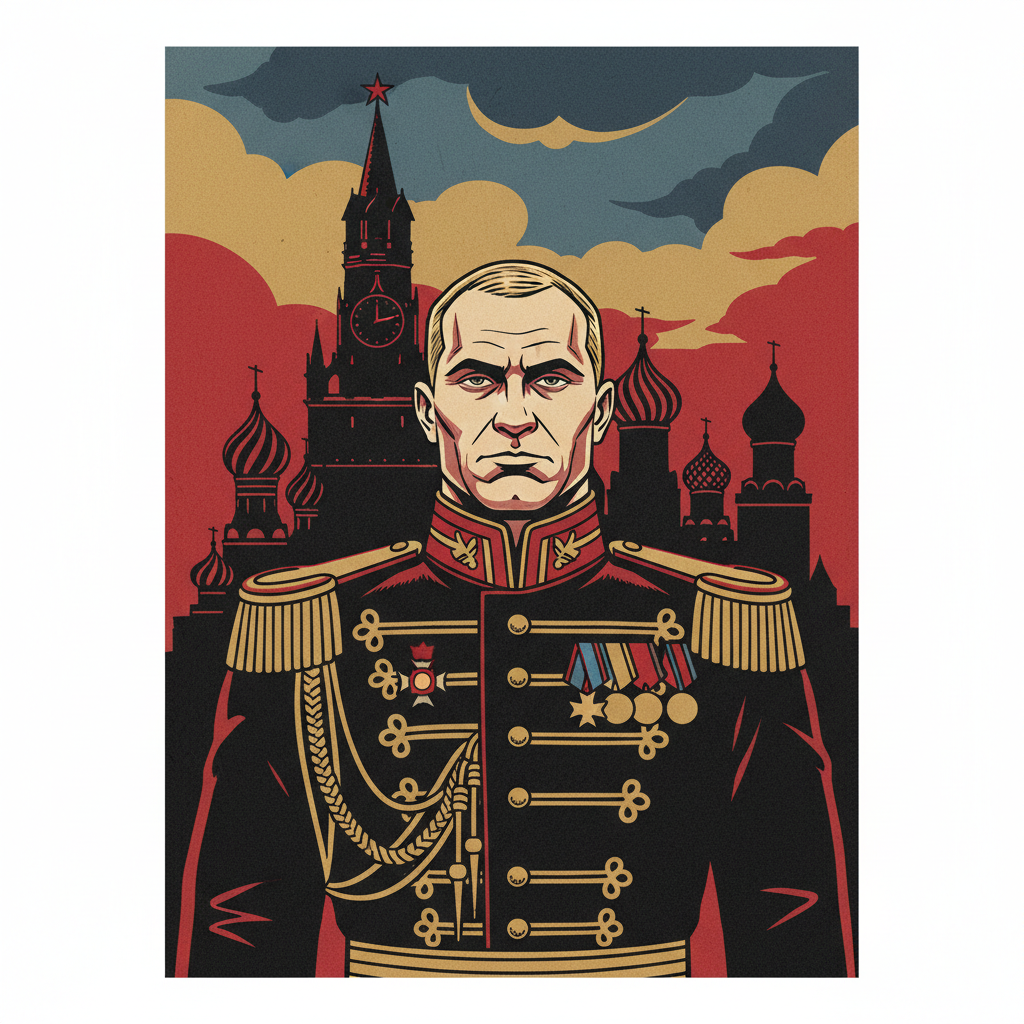
The ICC issued an arrest warrant for Vladimir Putin in March 2023 on allegations of war crimes related to the unlawful deportation of children from occupied areas of Ukraine to Russia. However, the ICC relies on the cooperation of member states to execute its arrest warrants. Since Russia is not a signatory to the Rome Statute, it has no legal obligation to comply with the Court's decisions or to extradite its citizens. Furthermore, arresting a head of state requires a direct intervention that goes beyond the Court's mandate, which does not possess its own police force or military. Any attempt to arrest Putin would necessitate an act of force against Russia, an action beyond the ICC's purview and highly unlikely given geopolitical realities.
Putin's Unchallenged Authority and International Standing
Despite the international warrant, Vladimir Putin maintains a position of significant domestic and international influence. GeoGazet tracking indicates his current influence score is 100/100, underscoring his robust control over Russia. This internal strength is critical to his ability to evade arrest. Recent signals from GeoGazet further demonstrate his active engagement: "Marcos meets Putin in Kazan; leaders discuss food security, energy cooperation" and "Putin hosts leaders of Southeast Asian nations, seeking to boost their business ties." These events illustrate his continued international diplomacy, often with nations that are not ICC members or that choose to maintain relations with Russia, providing venues where he can travel without fear of arrest. His domestic presence is also evident: "Putin leaves Moscow and St. Petersburg for the first time in seven months — to stage a walkabout in Kazan." This indicates confidence in his security and control within Russian territory. GeoGazet records a total of 100 tracked events, reflecting sustained high-level activity.
Geopolitical Context and Historical Precedents
Russia's top connections by signal volume, according to GeoGazet, are Russia (73 tracked signals), Poland (24 tracked signals), and Ukraine (19 tracked signals), highlighting his primary focus on domestic affairs, immediate neighbors, and the ongoing conflict. The geopolitical landscape is characterized by deep divisions regarding the conflict in Ukraine and the legitimacy of the ICC's jurisdiction over non-member states. Historically, it has been exceedingly difficult to prosecute sitting heads of state, particularly those leading powerful nations. Former Sudanese President Omar al-Bashir, for instance, has an outstanding ICC warrant since 2009 for genocide, war crimes, and crimes against humanity, yet he remained in power for a decade after the warrant and continues to evade justice. This comparison illustrates the systemic challenge faced by the ICC when confronting leaders who control their own territories and diplomatic relations.
What to Watch For Next
Future developments depend on shifts in Russia's domestic political landscape, the trajectory of the conflict in Ukraine, and changes in global power dynamics. Potential watch points include Putin's travel patterns to non-ICC member states or countries that might not enforce the warrant, the evolving international consensus on accountability for alleged war crimes, and any unforeseen internal challenges to his authority within Russia.