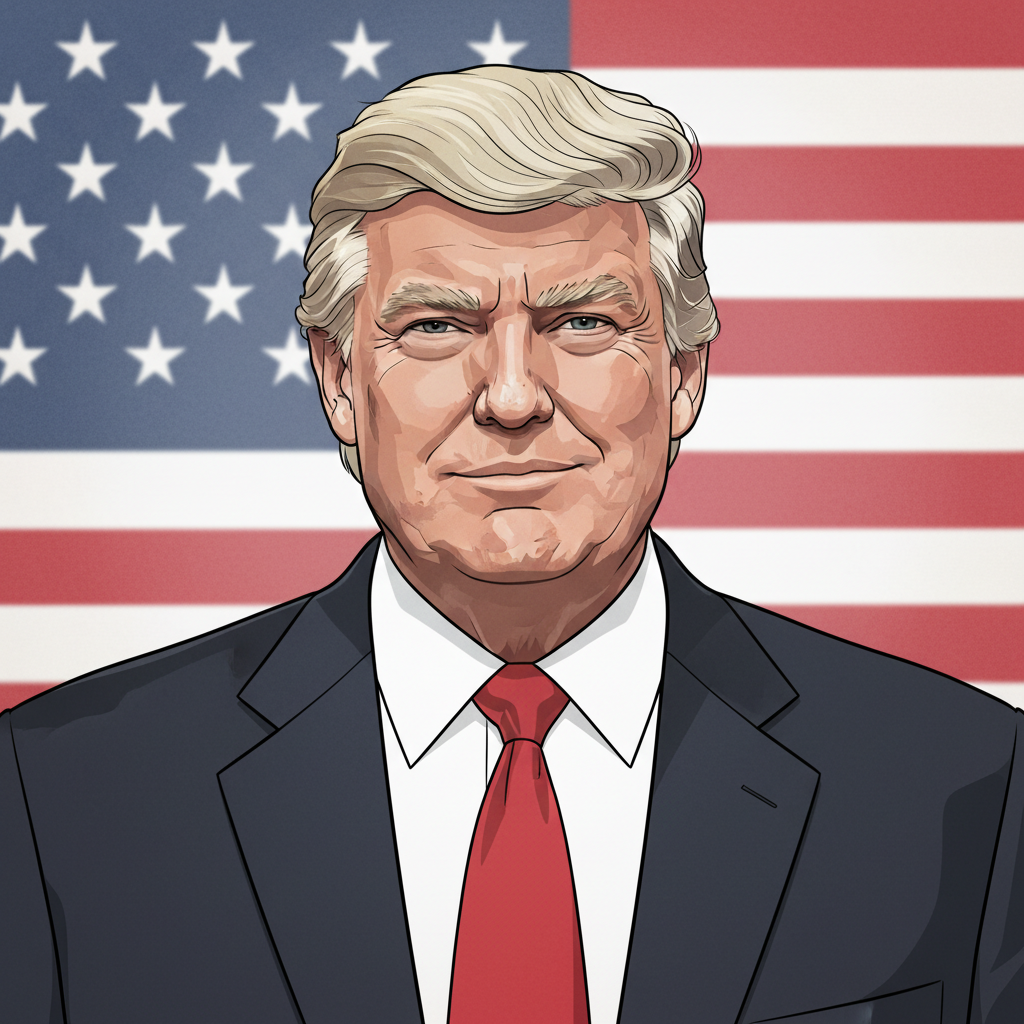
Donald Trump's previous presidency was marked by an "America First" trade policy that heavily utilized tariffs as a tool for economic leverage and domestic industry protection. This stance suggests that a future administration under his leadership would likely pursue similar trade strategies. The geopolitical landscape is currently characterized by high tension and complex diplomatic engagements, as evidenced by Trump's "Current influence score: 100/100" and the active monitoring of global events. GeoGazet tracking shows a significant focus on the Middle East, with "Top connections by signal volume: Iran (36 tracked signals), United States (34 tracked signals), Israel (9 tracked signals)," underscoring the interconnectedness of geopolitical stability and economic policy.
Mechanisms of Tariff Impact on Stocks
Tariffs function as taxes on imported goods, increasing their cost for domestic consumers and businesses. For publicly traded companies, this can translate into higher input costs for manufacturers relying on foreign components, leading to reduced profit margins. Companies that import finished goods for retail sale may face similar pressures, potentially passing costs onto consumers, which could dampen demand. Conversely, domestic industries competing with targeted imports might see increased demand and market share, potentially boosting their stock performance. The risk of retaliatory tariffs from affected nations is also substantial, directly impacting the profitability of export-oriented US companies and sectors, such as agriculture or technology, further exacerbating market uncertainty.
Geopolitical Dynamics and Market Volatility
The potential impact of tariffs is inseparable from the broader geopolitical environment. GeoGazet tracking indicates significant ongoing developments, such as "Live updates: US-Iran war; Trump and Tehran reach agreement that includes opening Strait of Hormuz." Such agreements, particularly concerning critical chokepoints for global energy trade, could influence commodity prices and, consequently, the energy sector within the stock market. However, other signals like "Iran War Live Updates: Trump Calls for Restraint After Israel Strikes Beirut Suburbs" suggest persistent regional instability, which typically contributes to investor caution and market fluctuations. The sheer volume of "Total tracked events in GeoGazet graph: 100" highlights the intricate and dynamic global environment in which any tariff policy would be implemented, adding layers of complexity to market reactions. Even non-economic events, such as the "Kennedy Center to establish new endowment in Trump's name after court forces name change," reflect Trump's enduring public profile and the attention his actions and policies command, indirectly reinforcing the potential for significant market reactions to his proposals.
Historical Parallels and Specific Sector Effects
Historically, Donald Trump's imposition of tariffs on goods from China, steel, and aluminum during his first term led to mixed stock market reactions. While some domestic steel producers experienced a boost, broader market sentiment was often negative due to trade war fears, supply chain disruptions, and the uncertainty created by unpredictable trade policy. Agricultural stocks, for instance, suffered significantly from retaliatory tariffs imposed by China. Technology companies that rely on global supply chains also faced challenges. These historical precedents suggest that investors can anticipate increased volatility, sector-specific impacts, and a heightened focus on corporate guidance regarding supply chain management and international sales.
What to Watch For Next
Investors should closely monitor several key indicators. These include the specifics of any proposed tariffs, such as their scope, target countries, and product categories. Reactions from major trading partners and the potential for retaliatory measures will be critical. Corporate earnings reports will provide direct evidence of tariff impacts on profitability and supply chains. Furthermore, the evolving geopolitical situation, particularly US-Iran relations and stability in critical trade regions, will continue to influence market sentiment. Finally, central bank responses to economic conditions influenced by trade policy will be an important factor.