Context of the US-China Trade War
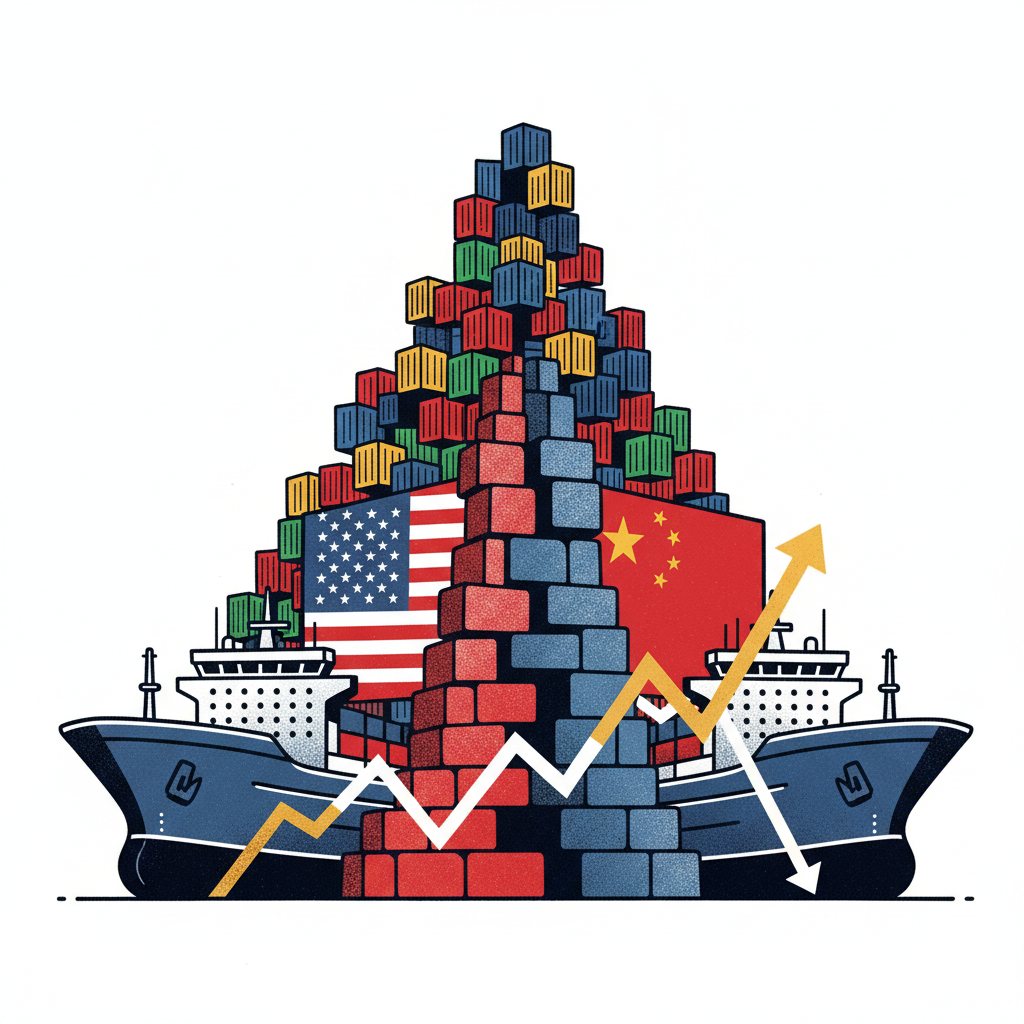
The trade conflict between the United States and China, characterized by the imposition of tariffs, aims to address long standing disagreements over trade imbalances, intellectual property theft, and market access. GeoGazet tracking indicates the pervasive nature of these tensions, with "Tariffs & Trade" registering 81 tracked signals, "China" 38, and the "United States" 13, out of a total of 100 tracked events in the GeoGazet graph. Recent signals, such as "Trump Poised to Roll Out New Tariffs as He Refunds the Old Ones" and "US trade official takes aim at Beijing, faults Washington on industry," highlight the ongoing and often aggressive nature of these disputes, keeping the geopolitical environment volatile. Furthermore, the signal "EU leaders weigh tougher measures to combat China trade imbalance" suggests a broader international trend of scrutiny toward China's trade practices, adding complexity to the global trade landscape.
Indirect Economic Opportunities
India has the potential to benefit from trade diversion as global supply chains seek alternatives to China. Companies facing US tariffs on Chinese goods may relocate manufacturing to countries like India, drawn by its large domestic market and comparatively lower labor costs. This could stimulate foreign direct investment and boost India's manufacturing sector, aligning with its "Make in India" initiative. Historically, such global economic reconfigurations have provided emerging economies with pathways to industrial growth, although success depends on robust policy frameworks and infrastructure. India's current influence score of 22/100 suggests it is a significant recipient of external geopolitical pressures and opportunities rather than a primary shaper of the US-China trade dynamics.
Challenges and Headwinds
Despite potential gains, the trade war poses substantial risks to the Indian economy. A primary concern is the potential for a global economic slowdown, which could reduce demand for Indian exports and dampen investment flows. Supply chain disruptions emanating from the US-China conflict can affect Indian industries reliant on imported components or those integrated into global production networks. Furthermore, increased global trade protectionism may lead to broader market access restrictions, impacting India's own trade relationships. The sustained nature of the trade war, evidenced by continuous tariff actions, ensures a prolonged period of uncertainty for international commerce.
What to Watch For Next
Observers should monitor the persistence and expansion of US-China trade tensions, particularly any new tariff implementations. India's policy responses to attract businesses relocating from China, including improvements in ease of doing business and infrastructure development, will be crucial. The broader global sentiment toward China's trade practices, as seen in the EU's deliberations, could also create additional shifts in global supply chains. Ultimately, the ability of India to strategically navigate these complex dynamics will determine the long term impact on its economic trajectory.