Context of the US China Trade War
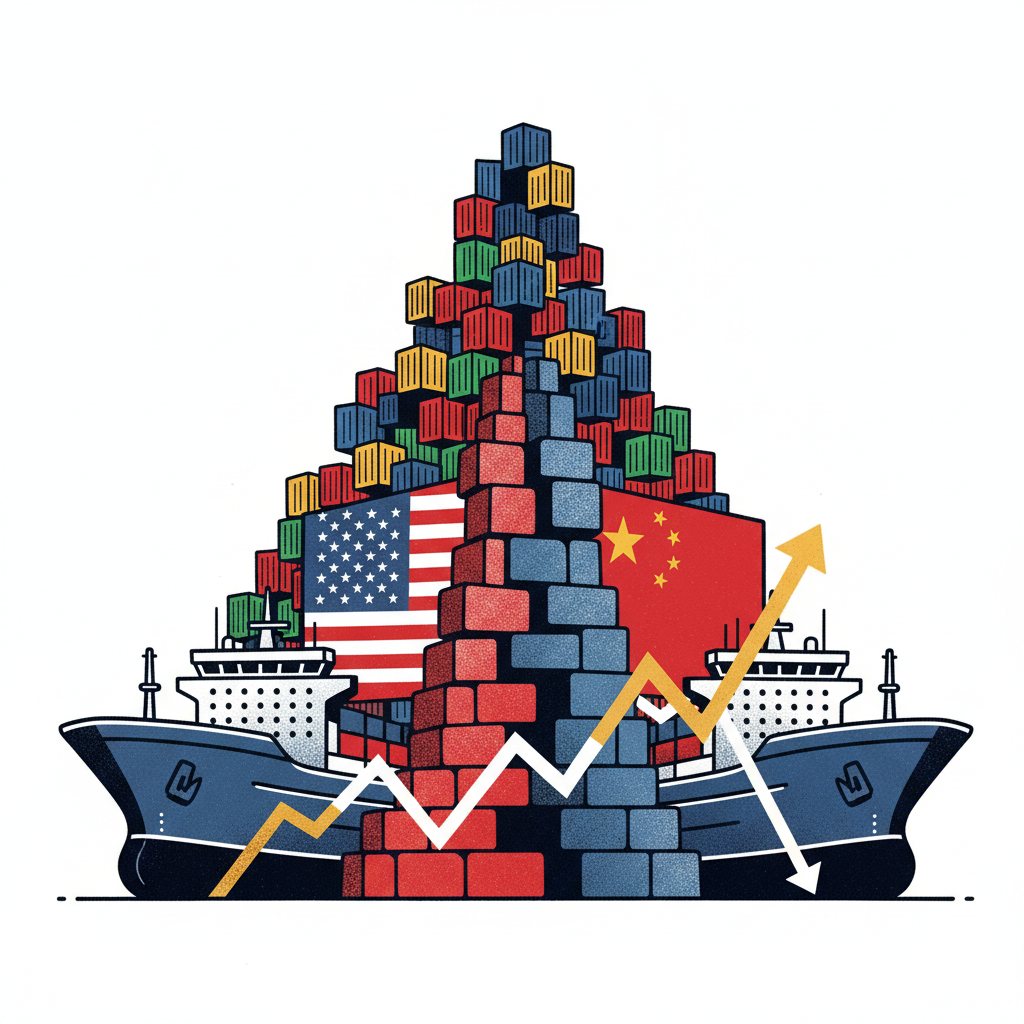
The trade war initiated by the United States under the premise of addressing trade imbalances, intellectual property theft, and forced technology transfers has imposed substantial tariffs on a wide range of goods between the world's two largest economies. This dispute, a defining feature of the current geopolitical landscape, has fostered an environment of increased protectionism and a global reevaluation of supply chain resilience and diversification. The situation is further complicated by technological rivalry and security concerns, influencing the trade policies of numerous nations. GeoGazet tracking indicates the significant attention given to these dynamics, with 81 tracked signals for Tariffs & Trade, 38 for China, and 13 for the United States, highlighting the ongoing intensity of the core issues.
Impacts on Canadian Trade and Economy
Canada experiences several layers of impact. Indirectly, through its extensive economic ties with the United States, Canada is vulnerable to a slowdown in American economic activity resulting from the trade war. Reduced United States demand for Canadian goods and services, or shifts in United States supply chains, can directly affect Canadian industries. Conversely, some Canadian sectors may benefit from trade diversion, as United States companies seek non Chinese suppliers, or as China seeks alternative sources for goods previously sourced from the United States. Directly, Canada’s own trade relationship with China faces complexities. Canadian exporters to China can encounter increased competition from other countries seeking to fill gaps created by United States-China tensions, or they may be subject to indirect retaliatory measures from China aimed at United States allies. The "Opinion | Many countries are ‘quiet quitting’ the US and China on trade" signal from GeoGazet suggests a broader trend that Canada may participate in, seeking to reduce its economic exposure to either superpower by diversifying its trade partnerships. Canada’s current influence score of 18/100 suggests it is a recipient of these global shifts rather than a primary driver.
Geopolitical and Diplomatic Repercussions
Beyond economics, the trade war has amplified geopolitical pressures on Canada. As a close ally and neighbor of the United States, Canada often faces expectations to align its foreign policy with Washington’s stance on China, even when such alignment might complicate its own diplomatic and economic interests. This was evident in past diplomatic incidents stemming from United States legal actions involving Chinese executives. The GeoGazet data, tracking 100 total events, underscores the dynamic and interconnected nature of these geopolitical shifts. Historically, Canada has navigated complex relationships with powerful trading partners, from its early economic reliance on the United Kingdom to its current deep integration with the United States via agreements such as the Canada United States Free Trade Agreement and later NAFTA/USMCA. The current US-China trade tensions present a modern parallel, forcing Canada to carefully balance its alliances and economic interests amidst global power shifts. Recent signals like "China’s US envoy calls for 10-fold rise in tariff-free trade under joint board" indicate potential avenues for de-escalation between the United States and China, which, if realized, could ease some of the indirect pressures on Canada.
What to Watch For Next
Observers should monitor Canada’s ongoing efforts to diversify its trade relationships beyond its traditional partners, particularly its initiatives in the Indo Pacific region. The evolution of United States-China trade negotiations, specifically any moves towards increased tariff free trade or a reduction in trade barriers, will directly impact the global trade environment and, by extension, Canada’s economic outlook. Furthermore, shifts in global supply chains, including nearshoring and friendshoring initiatives, will present both challenges and opportunities for Canadian manufacturing and resource sectors. Canada’s ability to maintain a balanced foreign policy amidst continued great power competition will be crucial.