The Geopolitical Landscape for Apple
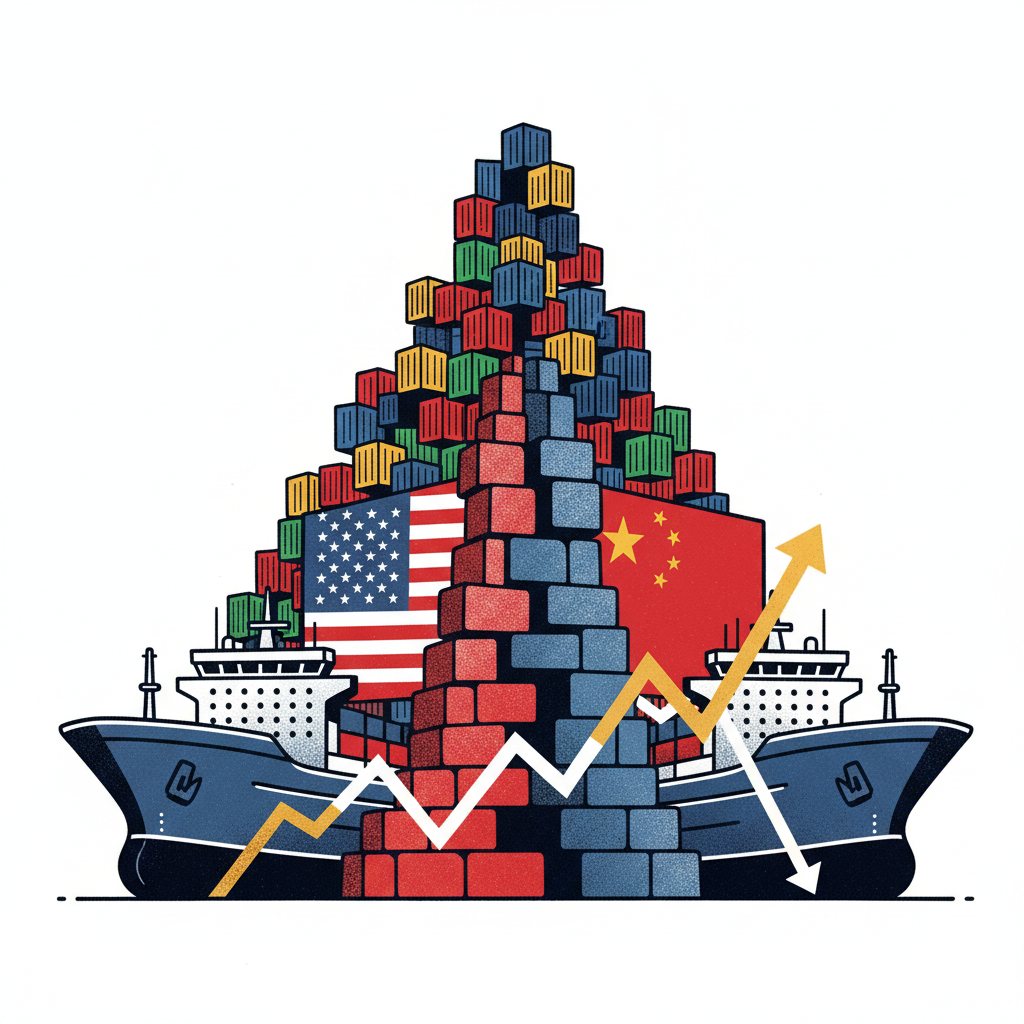
Apple operates within a complex geopolitical environment characterized by persistent trade tensions between the United States and China. GeoGazet tracking indicates "Tariffs & Trade" as the top connection by signal volume with 80 tracked signals, followed by "China" with 35 signals and "United States" with 14 signals, underscoring the centrality of these issues to Apple's operations. The ongoing friction is exemplified by recent signals such as "The Trump administration wants more tariffs to combat 'structural excess capacity,'” signaling a continued push for protectionist measures. Furthermore, high-level discussions like "Carney, Trump heard talking Chinese EVs on hot mic at the G7 summit" demonstrate that trade policy remains a critical point of contention between the two superpowers, even if specific discussions are not directly about Apple's core products. With a total of 100 tracked events in the GeoGazet graph, the sheer volume of geopolitical activity highlights the dynamic and uncertain environment in which Apple must operate. Apple's current influence score of 12/100 suggests that while it is a major economic player, its direct sway over the broader US-China trade policy is limited, making it more susceptible to the effects of the trade war rather than a primary driver of its direction.
Supply Chain Diversification and Costs
The primary direct impact of the US-China trade war on Apple is increased costs associated with tariffs. Tariffs imposed by the United States on goods imported from China, including many of Apple's components and finished products, translate into higher production expenses. While Apple has historically absorbed some of these costs or attempted to pass them on, the sustained nature of the trade war has accelerated its efforts to diversify its manufacturing base. This strategic shift involves moving some production out of China to countries such as India and Vietnam. This diversification is a costly and complex endeavor, requiring significant investment in new infrastructure, training, and logistical networks. The signal "Tariff repeal spurs Chinese containerised exports to the US, but unprepared countries face new conundrum" illustrates the volatile nature of tariff policy; while a repeal might offer temporary relief, the long-term strategic imperative to de-risk supply chains remains, as other nations may not be ready to absorb such complex manufacturing. Historically, companies like Apple centralized manufacturing in China due to unparalleled efficiency, scale, and skilled labor; the trade war forces a costly and intricate decentralization.
Market Access and Consumer Sentiment
Beyond supply chain issues, the trade war poses risks to Apple's market access in China, its second-largest market. Escalating tensions could lead to retaliatory measures from Beijing, such as restrictions on Apple's sales or operations, or fostering nationalistic consumer sentiment against American brands. While Apple has largely avoided explicit boycotts compared to other US companies, the underlying risk persists. Any significant decline in sales within the vast Chinese market would severely impact Apple's revenue and profitability.
Outlook
To understand Apple's future trajectory amidst the US-China trade war, several factors require close observation. These include the outcomes of upcoming US elections and their potential impact on trade policy, any new tariff proposals or reversals, the success and speed of Apple's ongoing supply chain diversification efforts, and shifts in consumer sentiment in both the US and China. The broader geopolitical climate, particularly regarding technology competition and regional security, will also continue to shape the operating environment for Apple.