Disruption of Grain Exports
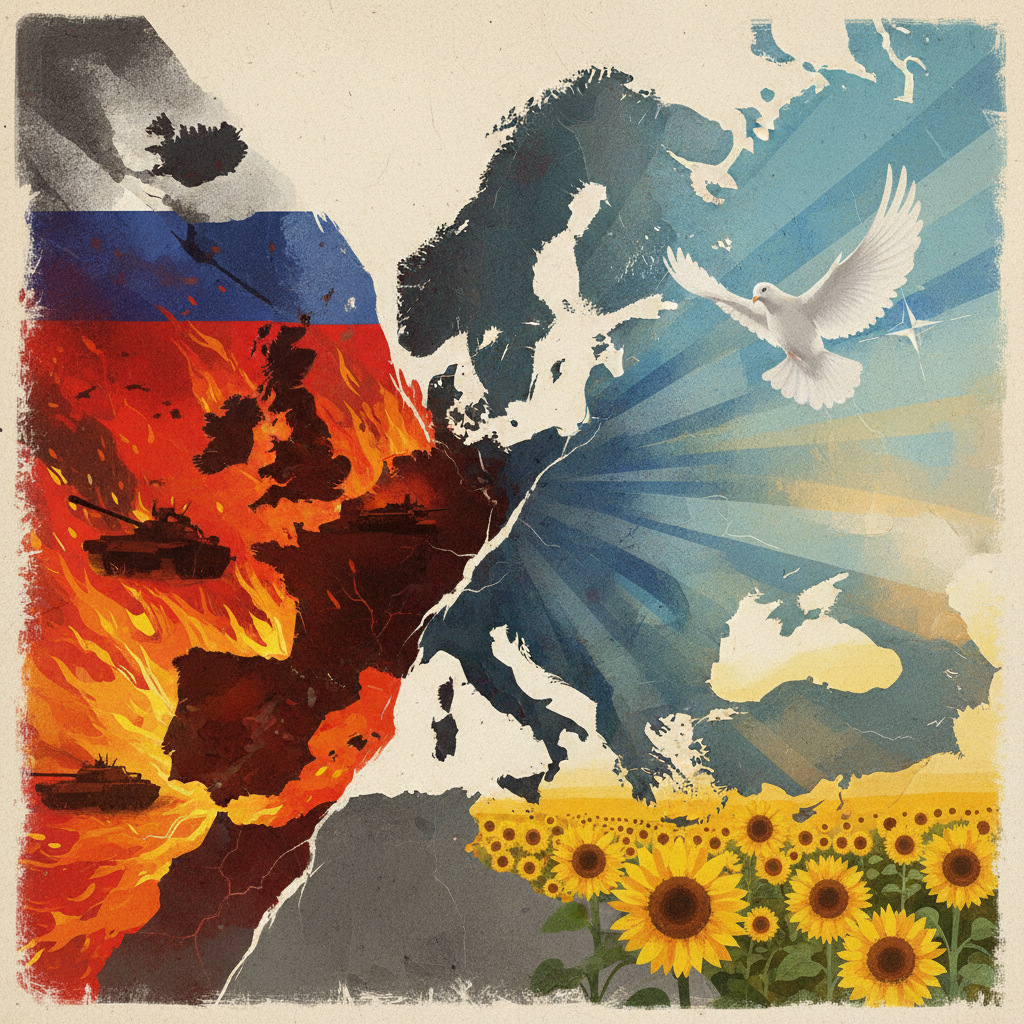
Ukraine and Russia are major global suppliers of wheat, barley, corn, and sunflower oil, earning them the moniker "breadbaskets of the world." Before the full-scale invasion, these nations collectively accounted for a substantial portion of global wheat and barley exports. The conflict has severely hampered these exports through various mechanisms. Naval blockades in the Black Sea, destruction of port infrastructure, and disruption of agricultural production cycles due to combat have restricted Ukraine's ability to ship goods. Russia's exports have also faced logistical challenges and self-sanctioning by some buyers, despite food and fertilizer technically being exempt from Western sanctions. The war's paramount global significance is underscored by its Current Influence Score of 100/100, indicating its unparalleled impact on international affairs. GeoGazet tracking reveals the conflict's intensity, with Ukraine registering 88 tracked signals and Russia 77 tracked signals, alongside 8 signals for Missiles & Strikes, directly impacting agricultural infrastructure and export routes.
Fertilizer Shortages and Price Hikes
Beyond grains, the war has created a significant global fertilizer crisis. Russia is a leading exporter of key fertilizer components such as potash, phosphates, and nitrogen. Supply chain disruptions, sanctions impacting Russian banking and logistics, and reduced natural gas availability (a critical input for nitrogen fertilizer production) have sharply driven up fertilizer prices globally. This directly increases farming costs for all nations, potentially reducing future yields and further escalating food prices. For instance, countries reliant on Russian fertilizer imports, including major food producers in South America and Asia, face difficult choices regarding crop investment. The interconnectedness of global markets means that even regions far from the conflict experience these inflationary pressures.
Geopolitical Implications and International Responses
The food supply crisis stemming from the Ukraine war has become a central issue in international diplomacy. GeoGazet tracking, which notes 100 total tracked events related to the conflict and its ripple effects, illustrates the comprehensive nature of the challenge. Signals such as "Belarus' Lukashenko Says Both Sides Must Compromise to End Russia-Ukraine War" underscore the urgent need for a resolution to stabilize global markets and agricultural production. Furthermore, the "EU officially launches Ukraine and Moldova accession processes" signal suggests a long-term commitment to integrating Ukraine, potentially aiding its agricultural recovery and trade infrastructure development post-conflict. Discussions at high-level forums, exemplified by "Trump touts Iran deal and Ukraine ambition as he arrives at G7," indicate that global leaders continue to grapple with the multifaceted consequences of the war, including the imperative to secure food supplies.
Historical Context
Historically, geopolitical conflicts have frequently disrupted food supplies, leading to humanitarian crises and social unrest. For example, during both World Wars, naval blockades and disruptions to trade routes caused severe food shortages in various parts of the world. More recently, the 2007-2008 global food crisis, driven by a combination of factors including rising oil prices and increased biofuel production, demonstrated the fragility of global food systems to shocks. The Ukraine war represents another profound shock, arguably more acute due to the specific concentration of essential food and fertilizer production in the conflict zone, drawing parallels to these earlier periods of significant global food instability.
What to Watch For Next
Future developments impacting global food supply will depend heavily on the evolution of the conflict, particularly regarding Black Sea access and any potential peace agreements or compromises, as suggested by calls from leaders like Lukashenko. The effectiveness of humanitarian corridors, the resilience of alternative export routes (such as rail and river transport through Europe), and international efforts to stabilize fertilizer markets will be crucial. Monitoring agricultural output from other major producing nations, global weather patterns, and the strategic decisions of major food importing countries will also provide key insights into the future trajectory of global food security.